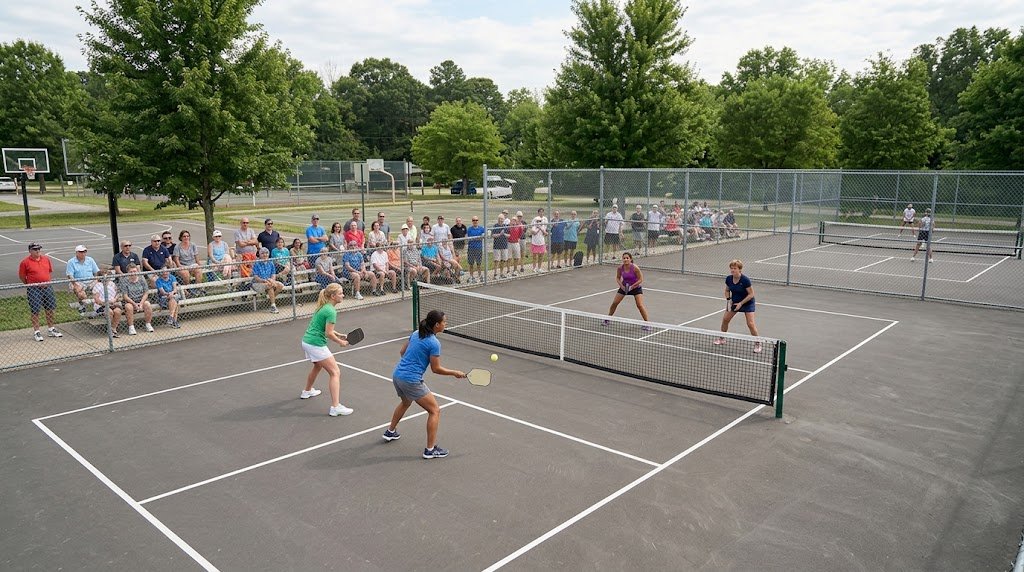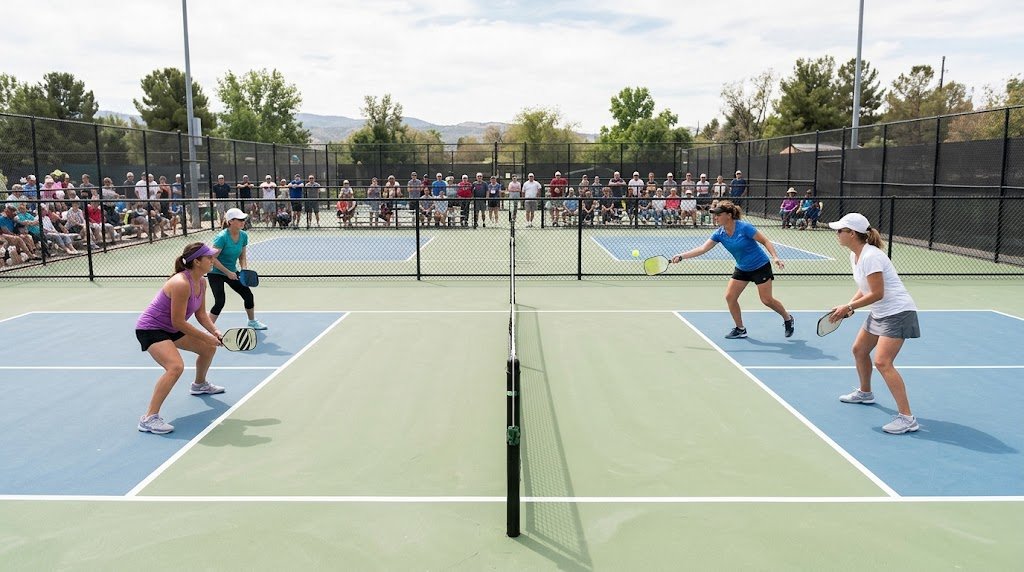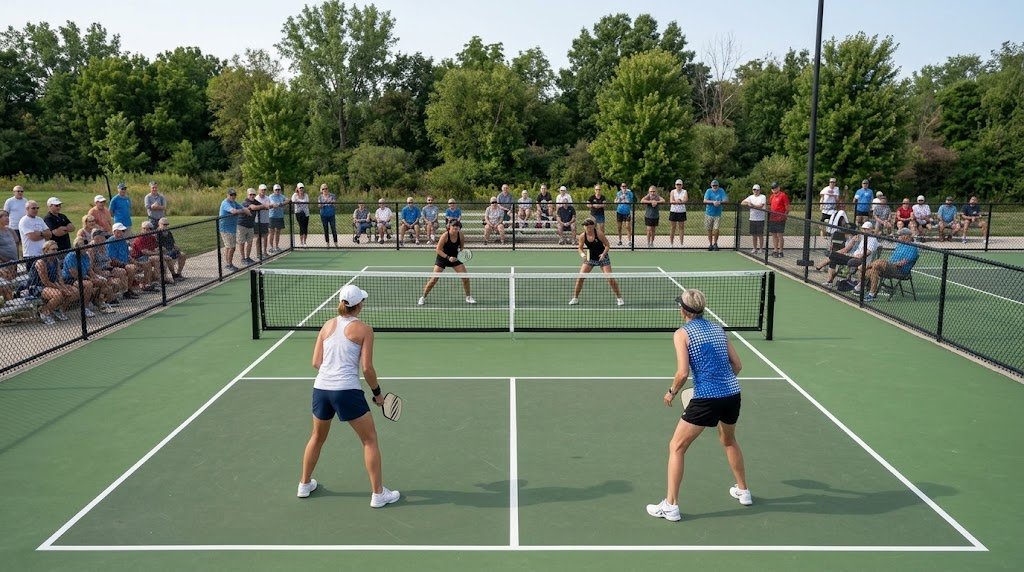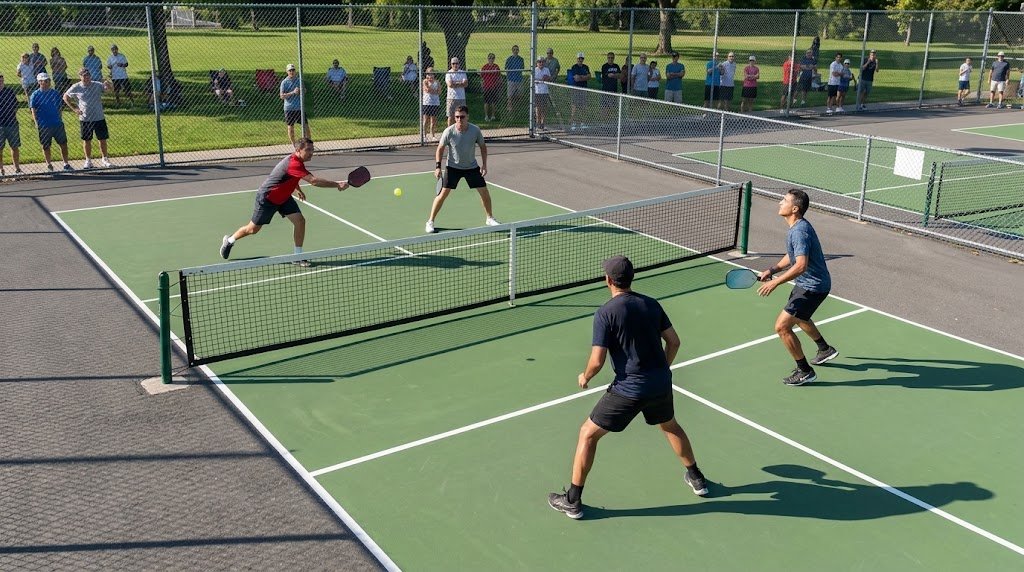


In a commanding display of doubles precision, Zany Duarte and Victor Mahillon turned the $30,000 Proton National Tour by MPO – Cash Prize Tournament in Corona into their personal showcase, sealing a 15–10 victory over Carlos Hansen and Joshua Mccord. The match, held on September 20, 2026, didn’t just end in a win—it announced a hierarchy. The winning duo, both carrying a pre-match rating of 3.768, operated like a well-tuned engine, each movement synchronized, each decision sharp. Their opponents, Hansen (3.711) and Mccord (3.491), fought valiantly but were outmatched in key moments, their efforts undone by the relentless pressure of the higher-rated pair.
The scoreline tells a story of control. Duarte and Mahillon didn’t just win—they dictated. From the opening serve, they established a rhythm that their opponents struggled to disrupt. Every point was a calculated exchange, every volley a reminder of their court awareness. Hansen and Mccord, despite their solid individual ratings, found themselves constantly reacting, never quite settling into their own groove. The 15–10 margin wasn’t a fluke; it was the result of superior execution under tournament pressure.
Kitchen Control and the Art of the Dink
In pickleball, the kitchen is where matches are won or lost. Duarte and Mahillon demonstrated why: their dinks were low, soft, and placed with surgical precision, forcing Hansen and Mccord to either lift the ball or risk a fault. Controlling the non-volley line—the imaginary boundary just behind the kitchen—is essential. It allows players to pressure opponents without crossing into the no-volley zone, where a misstep can lead to an illegal volley. While no specific violation occurred in this match, the threat alone shapes strategy. A player who hesitates at the line gives up initiative; one who steps in too early risks a fault. Duarte and Mahillon mastered this balance, using the kitchen as both shield and sword.
Faults, Out-of-Bounds, and the Margin of Error
Out-of-bounds risk looms large in doubles, especially when players stretch to reach wide shots. Hansen and Mccord, in particular, may have found themselves chasing balls that forced them deep, increasing the chance of an errant return. Faults—whether from serving into the net or landing long—are the silent killers of momentum. While the record doesn’t detail specific errors, the score suggests that Duarte and Mahillon minimized their own mistakes while capitalizing on their opponents’. In a sport where a single misstep can flip a point, their consistency was the real winner.
What Each Game Contributed
This was a straight-game win, but not a passive one. The first game set the tone: Duarte and Mahillon’s early aggression paid off, establishing a lead they never relinquished. The second game saw Hansen and Mccord push back, narrowing the gap with tighter net play. But the winning pair’s ability to close under pressure—converting break points, holding serve when it mattered—proved decisive. Each game added a layer to the narrative: the first was dominance, the second was resilience, and the final score was the verdict.
The result doesn’t diminish Hansen and Mccord’s effort. They competed, they adapted, and they gave a credible account of themselves. But on this day, Duarte and Mahillon were simply better. Their pre-match ratings hinted at this potential, and they delivered. As the tournament progresses, this win will serve as a benchmark—a reminder that in pickleball, as in life, the team that controls the kitchen, avoids the faults, and trusts its partner, often walks away with the trophy.