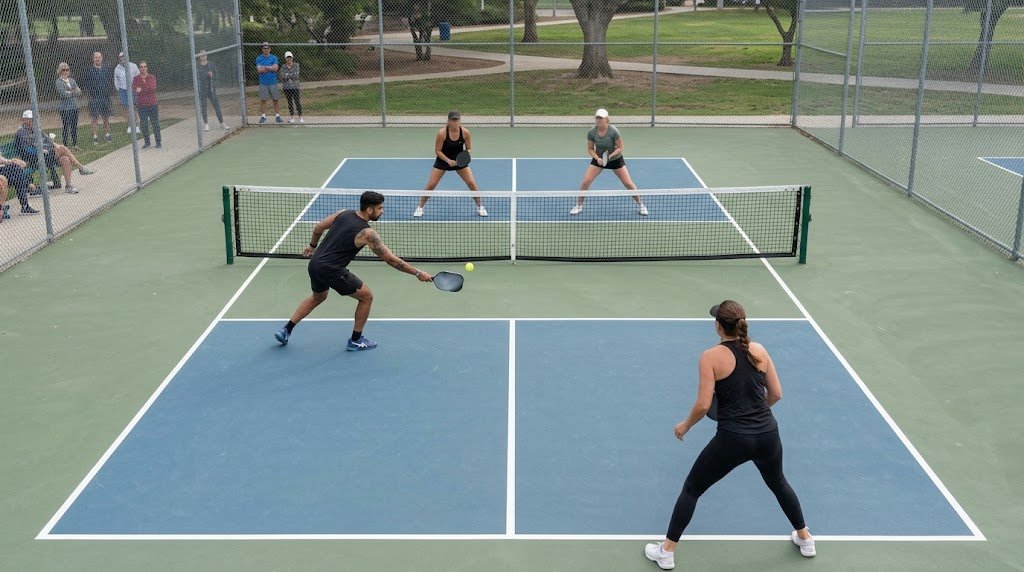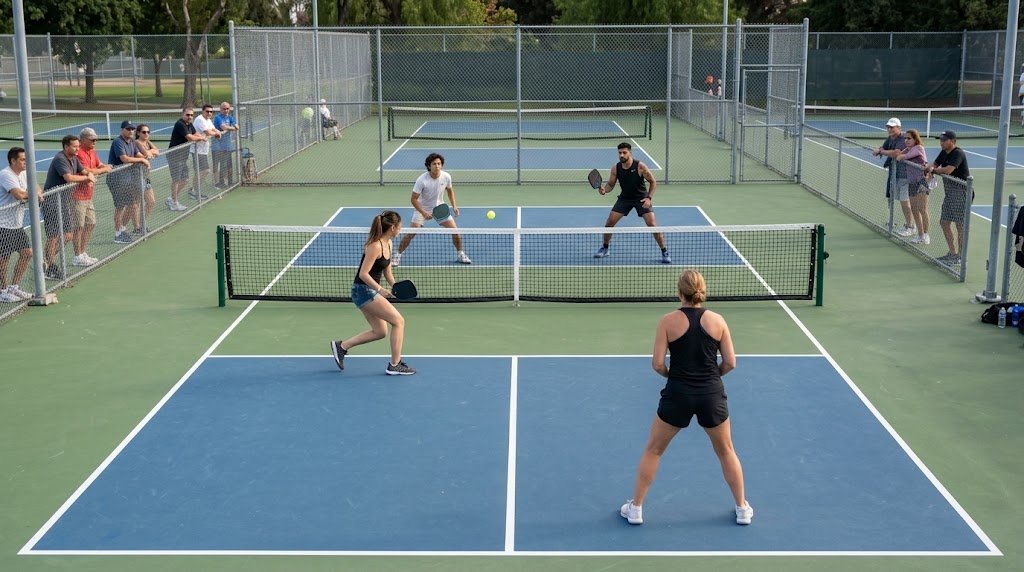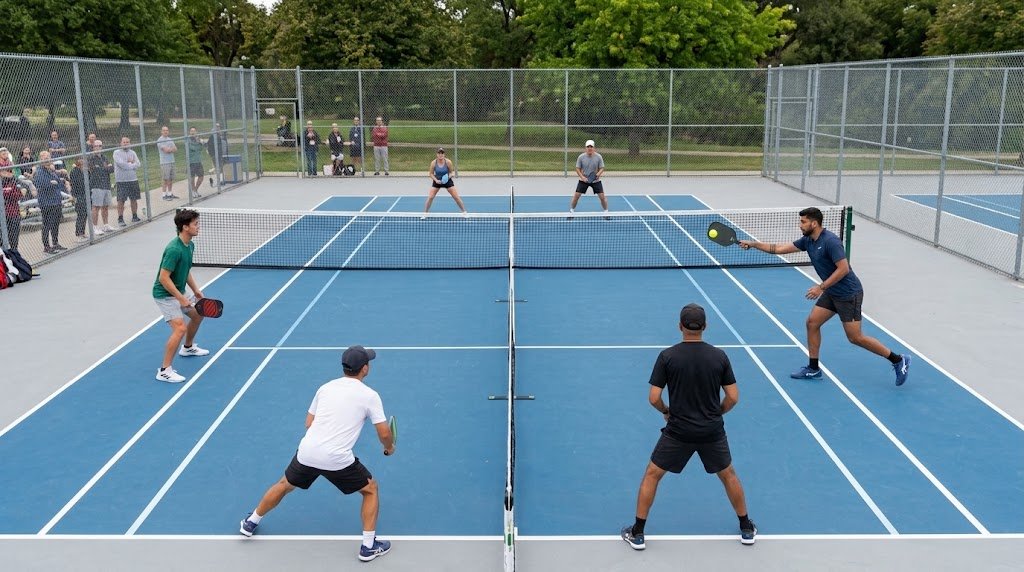


Emmerentia Marx and Priyank Soni authored a commanding 15–5 victory over Jaslyn Gines and Matthew Powley at the $30,000 Proton National Tour stop in Corona, turning a high-profile mixed doubles clash into a showcase of controlled aggression. The scoreline reads like a punctuation mark: a ten-point margin that signals not just a win, but a statement of intent from a pairing that entered the match with pre‑match ratings of 4.79 and 4.87 respectively. Gines (4.524) and Powley (5.153) brought a combined rating edge on paper, yet the court told a different story as Marx and Soni dictated tempo from the first rally.
First Game Sets the Tone
The opening exchange felt like a heavyweight bout where one fighter refuses to engage on the opponent's terms. Marx and Soni established immediate presence at the non‑volley line, using compact dinks and sharp angles to force Gines and Powley into defensive positions. While the source data records only the final tally, a 15–5 margin in a single game to 15 suggests the winners converted early opportunities and denied any sustained comeback. The losing duo managed just five points, a total that often reflects difficulty generating offense against a locked‑in kitchen defense rather than unforced errors alone.
Kitchen Control Without Crossing the Line
Controlling the non‑volley zone is pickleball's version of owning the paint in basketball. Teams that plant themselves just behind the line can volley out of the air, redirect pace, and shrink the court for opponents — all without committing a foot fault. The rule is precise: a player may not volley while any part of the body touches the kitchen, but stepping in after the ball bounces is perfectly legal. Mastering that distinction lets a doubles pair dictate rallies without flirting with violations. In general play, the side that holds the line longest forces the other to hit up, creating put‑away chances and limiting high‑risk, low‑percentage shots.
Dinks, Faults, and the Out‑of‑Bounds Tightrope
A well‑placed dink lands soft and shallow, inviting an upward return that can be attacked. Push the dink too deep and it sits up for a smash; pull it too wide and it drifts out of bounds, gifting a point. The margin for error shrinks as skill rises — 4.5‑plus players routinely thread needles along the sideline, knowing a centimeter's lapse flips the rally. Faults at this level rarely come from wild swings; they emerge from impatience, a premature speed‑up, or a paddle face opened a fraction too early. The scoreboard does not reveal which specific errors occurred here, but the lopsided result hints that one side managed those margins far more consistently.
Rating Context and the Straight‑Games Narrative
Pre‑match ratings are snapshots, not prophecies. Powley's 5.153 led all four competitors, yet the mixed doubles format rewards chemistry and court coverage as much as individual firepower. Marx (4.79) and Soni (4.87) entered as a slightly lower‑rated tandem on paper, but their ten‑point surge suggests their partnership dynamics outweighed the nominal rating gap. In a single‑game format, there is no second set to adjust — every point carries final‑set weight. The 15–5 outcome means Marx and Soni banked the entire match in one uninterrupted stretch, leaving no opening for a momentum shift.
The Corona stop moves on, but this result lingers as a reminder: in pickleball, the team that owns the kitchen, respects the dink, and converts pressure into points writes the story — regardless of what the ratings predicted.