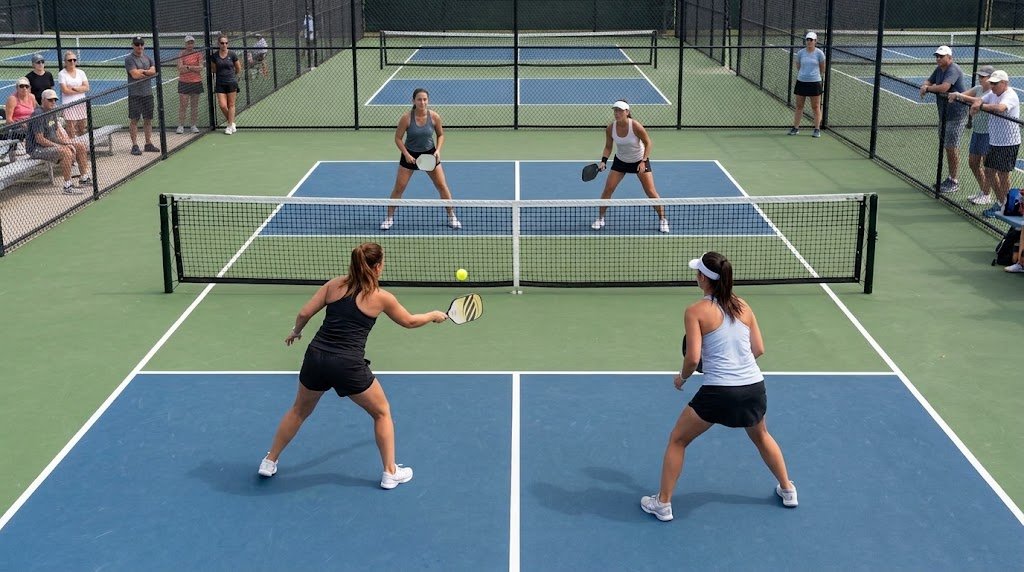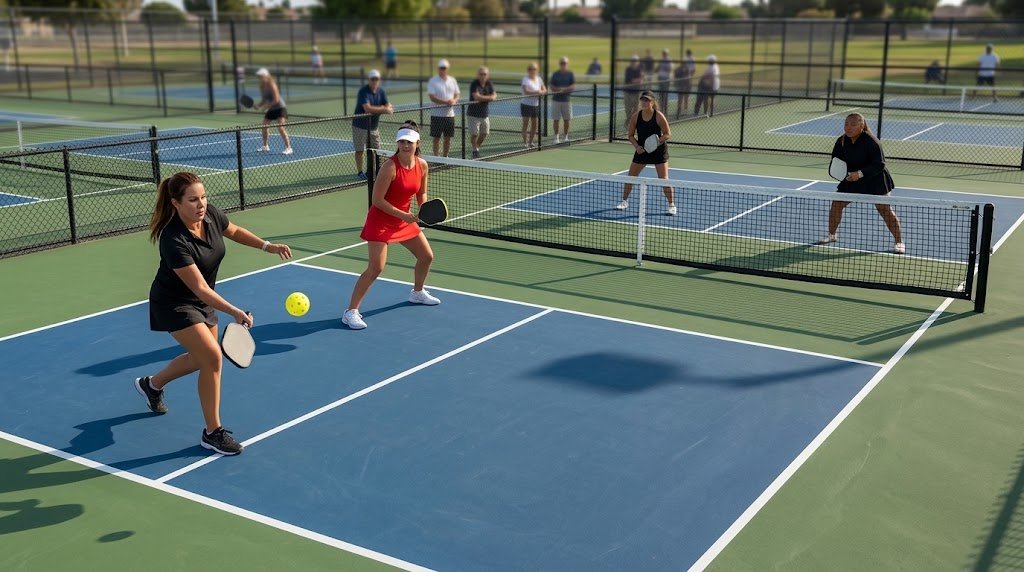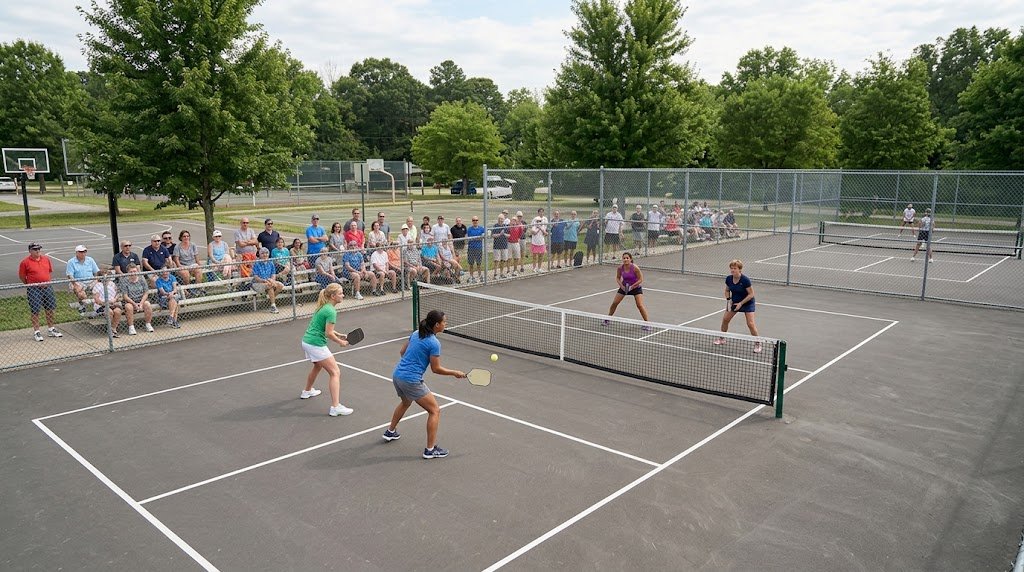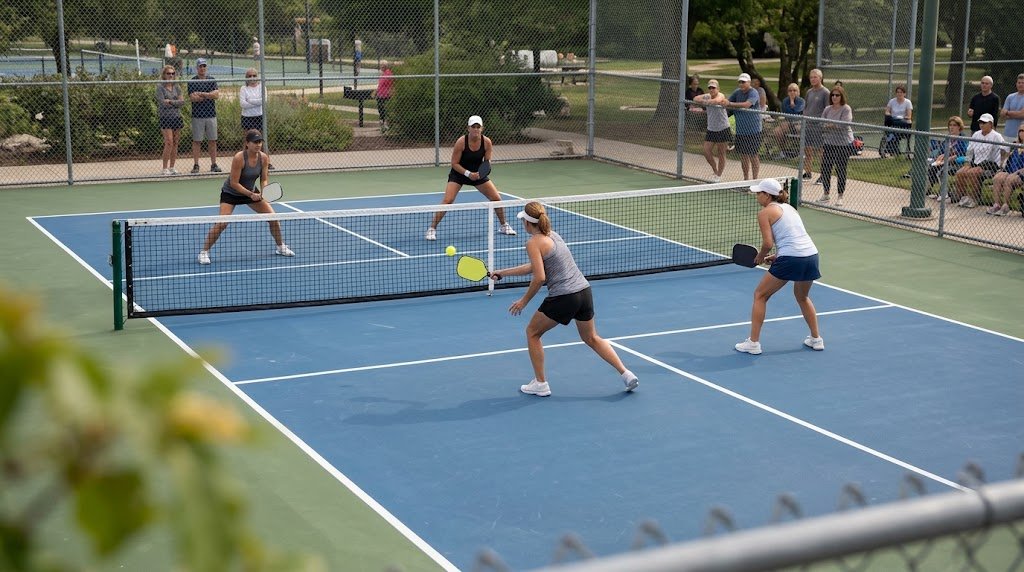


Lindsie McBratney and Stephanie Fairbanks struck early and kept their foot on the gas, turning Women's 3.50-3.99 Doubles into a statement 11-6 straight-sets win over Caroline Wong and Teresita Alvarez on Saturday. The result reads as a clear statement win, with the higher-rated pair converting their edge into a tidy scoreboard margin without ever looking ruffled. It was the kind of outing where the winning team looked several gears sharper, building a lead and then managing it with the kind of calm control that separates a comfortable night from a memorable one.
The Numbers Tell a Clean Story
From the first service motion, McBratney and Fairbanks were the team moving the piece forward. Their pre-match ratings of 3.629 and 3.242 sat below Wong's 3.801 and just above Alvarez's 3.420, yet the duo up front played with a cohesion that made the evening look simpler than it had any right to be. The 11-6 line was not a squeaker; it was a measured run, a lopsided result that said the better-paired team made their opportunities count and never let the other side settle into a rhythm.
When the Scoreboard Gets Quiet
The closing 5-point cushion is worth pausing over. A six-game margin can look tidy on paper, but in a best-of-three format it also signals a team that kept finding answers whenever the rally tightened. Wong and Alvarez stayed competitive, but the gap widened at the wrong moments for them, with McBratney and Fairbanks treating each transition as a chance to reset rather than scramble. The evening felt less like a dramatic comeback and more like a composed takeover, the sort of performance that turns a routine result into a confident footnote in a team's season.
Reading the Kitchen Without the Drama
Watching a match like this is a perfect reminder of how much pickleball lives or dies at the non-volley line. Controlling that space is about positioning, timing and choice: a team that owns the area just behind the line can funnel returns, set up angles and dictate tempo, while still staying outside the kitchen to avoid an illegal volley. The distinction matters because it separates smart court craft from a risky shortcut; stepping inside before a ball has bounced turns a routine exchange into a self-inflicted fault, and the risk only grows when a team is rushing the net without a clear read on the rally.
Equally important is the discipline around dinks and patience. A well-placed dink pushes opponents forward and forces them to lift, which is where points are usually manufactured. But every shot also carries out-of-bounds risk, especially when a player is aiming for the lines and the ball drifts a few inches wider than intended. In matches decided by slim margins, those small margins around the kitchen and the baselines become the difference between a comfortable win and a night spent watching the other team celebrate.
A Night That Set a Tone
For McBratney and Fairbanks, the night was about rhythm, trust and the quiet confidence that comes when a team reads the room and answers it. Wong and Alvarez walked off with a scoreline that respected their effort, but the night belonged to the pair that moved the evening forward with purpose and composure. It is a result that does not need to be re-lit to feel satisfying; it lands as a clear, confident marker of where this duo stood on the evening, and a reminder that in pickleball, the team that controls the kitchen usually controls the story.