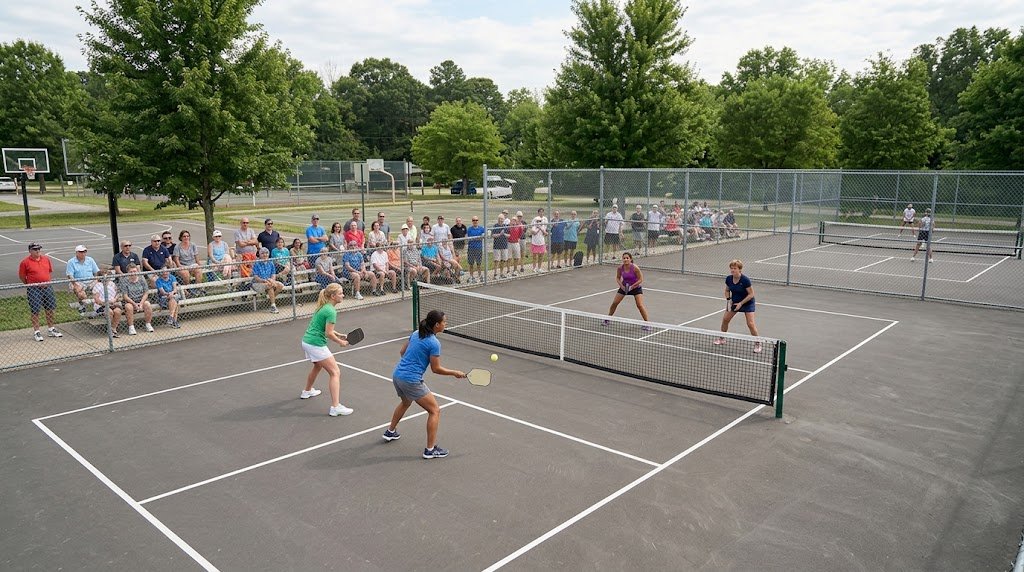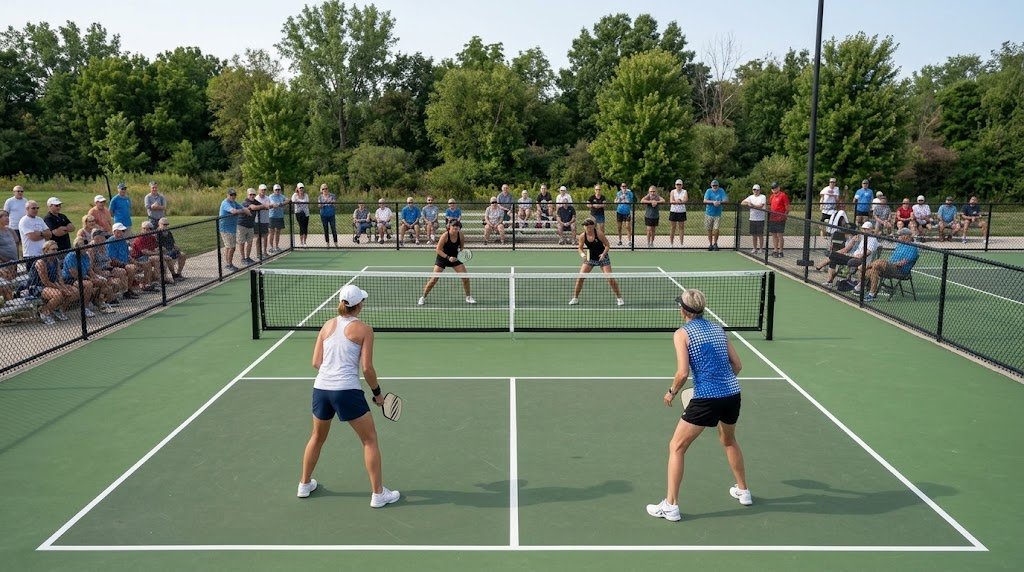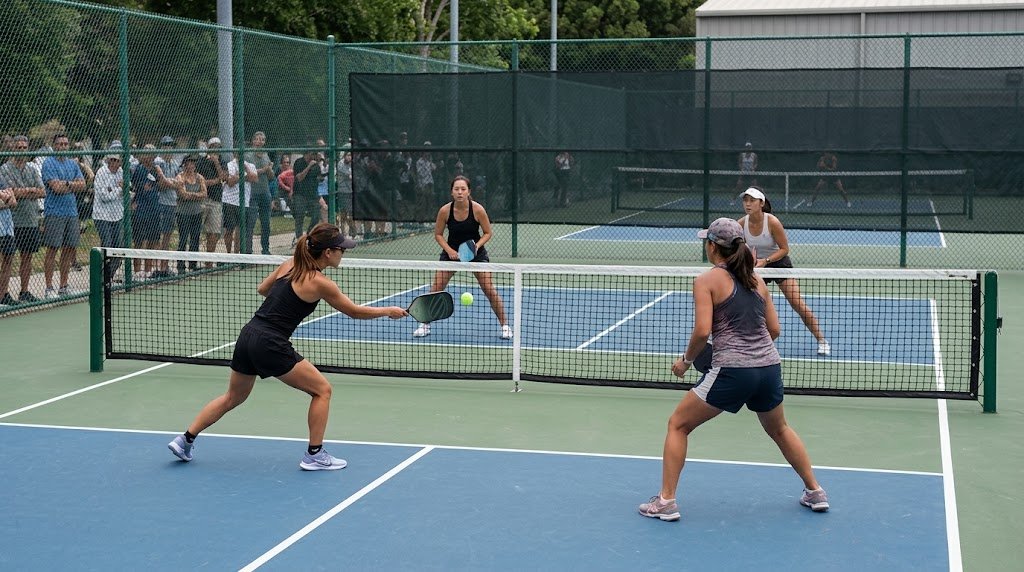


Young Pho and Jenny Truong turned the court into a fortress on Sunday, delivering an 11–2 masterclass that left no room for doubt in the Women’s 2.49–2.99 Doubles bracket. The scoreboard didn’t just tilt—it snapped in half. From the first serve, the duo moved with a shared rhythm, turning every return into a setup and every setup into a point. Their opponents, Linh Tieu and Aprille Montealegre, faced a wall of precision and pace that rarely cracked.
The opening game was a blur of controlled aggression. Pho, operating from the baseline with a whip-like forehand, dictated the tempo while Truong patrolled the kitchen like a sentinel, her reflexes turning volleys into redirections. The scoreline ballooned quickly—8–0, then 10–1—each point a reminder that in doubles, chemistry can be the deadliest weapon. When the final point landed, the margin stood at 11–2: a shutout that spoke louder than any rally replay.
Kitchen Control and the Art of the Dink
In pickleball, the kitchen is where battles are won or lost. Pho and Truong demonstrated why controlling the non-volley line is sacred. By staying just behind it, they avoided the illegal volley zone while still threatening every inch of the net. A well-timed dink—soft, low, and placed deep in the corners—forces opponents to bend, stretch, or retreat. When Tieu and Montealegre tried to counter, their returns often sailed long or landed short, gifting easy put-aways. The lesson? Never volley from inside the kitchen unless you’re ready to absorb the risk. A foot dragged over the line mid-swing can turn a sure point into a fault, and in this match, the winners never gave their opponents that chance.
Fault Lines and Out-of-Bounds Risk
Every serve and return carries a shadow of risk. A serve that clips the net or lands long is a fault; a return that sails wide becomes a gift. Pho and Truong minimized those moments by keeping their shots low and inside the lines. Their discipline turned potential errors into opportunities—each out-of-bounds call avoided became a point retained. Meanwhile, Tieu and Montealegre struggled to find the same balance. Their returns, though aggressive, often lacked the touch to stay in play, feeding the winners’ momentum.
The second game followed the same script. Pho’s backhand down the line became a recurring dagger, while Truong’s overhead smashes cleared the net with surgical precision. The score crept to 11–2 again, but this time the narrative wasn’t about dominance—it was about consistency. Each point built on the last, a chain of execution that refused to break. By the final whistle, the match was less a contest and more a demonstration: when two players sync their movements, read the ball’s spin, and respect the kitchen’s boundaries, the scoreboard reflects that harmony.
What the Scoreline Says
An 11–2 result isn’t just a win—it’s a statement. It tells us that Pho and Truong entered the court with a plan, executed it without hesitation, and never let their opponents find a rhythm. The pre-match ratings—2.478 and 2.496 for the winners, 2.888 and 3.039 for the losers—hinted at a competitive pairing, but on this day, the numbers bowed to chemistry. The match didn’t just end; it concluded with a period, not an ellipsis. For Tieu and Montealegre, it’s a reminder that ratings are snapshots, not destinies. For Pho and Truong, it’s the first chapter of a story they’re still writing, one dink at a time.