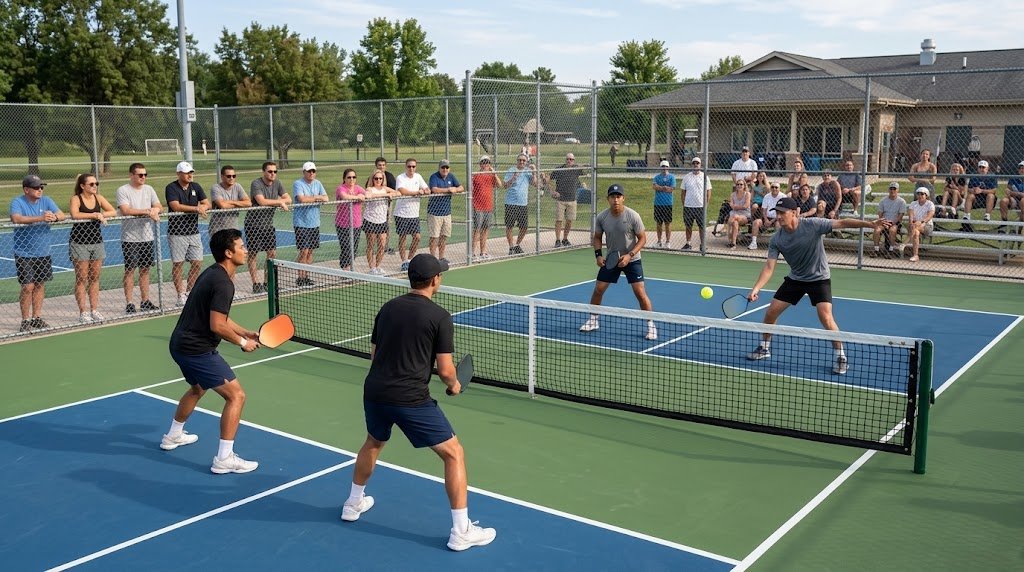


In a display of ruthless efficiency, John Basco and Lorenzo Angelo Legaspi claimed the $30,000 Proton National Tour by MPO – Cash Prize Tournament in Corona Men’s Doubles 3.0 title with an 11–8 victory over Zany Duarte and Victor Mahillon. The scoreboard tells the story: a single-game affair that never allowed the opposition to find their rhythm. Basco, carrying a pre-match rating of 3.191, and Legaspi, rated 3.598, entered the contest as the higher-rated unit, and their performance justified the numbers. They converted their opportunities into points with a precision that left no room for a comeback.
The match was a straight-games triumph, but the margin of victory—three points—suggests a contest that had its moments before the Basco-Legaspi duo pulled away. Duarte and Mahillon, whose pre-match ratings were not recorded, fought back from deficits but ultimately could not breach the wall erected by their opponents. The 11–8 scoreline reflects a game where every point was contested, yet the winners consistently held the upper hand when it mattered most.
### Kitchen Control and the Art of the Dink
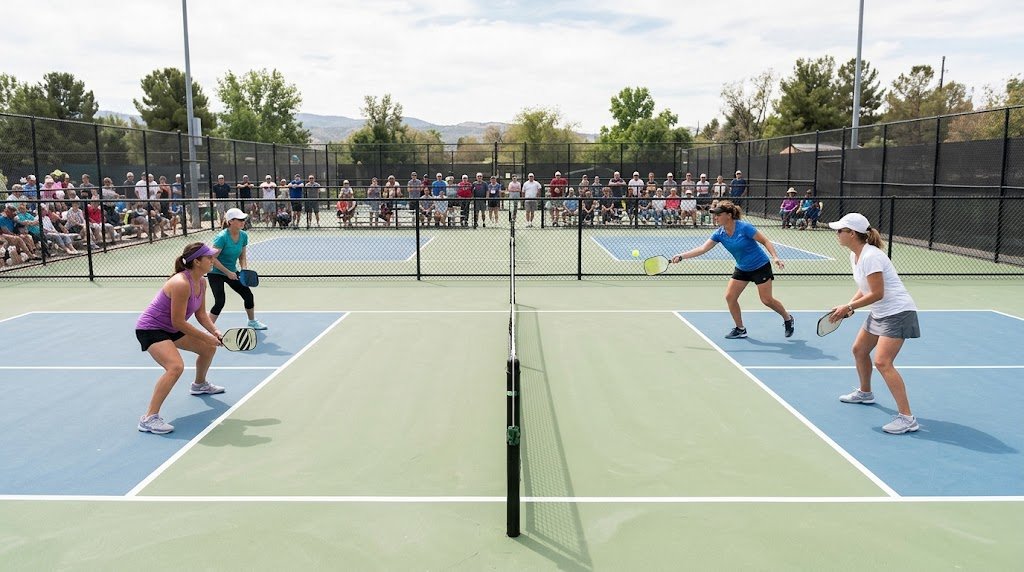
In pickleball, the kitchen—also known as the non-volley zone—is the chessboard of the doubles game. Controlling the line that separates the kitchen from the baseline is paramount. A player who masters the non-volley line can force their opponents into difficult positions, making it easier to execute a soft, dipping dink that lands just inside the opponent’s kitchen. Dinks are the ultimate weapon in close-quarters play, designed to drop over the net with such little pace that the receiver cannot volley without stepping into the forbidden zone. A well-placed dink forces a fault or a retreat, shifting the entire dynamic of the rally.
### Faults, Out-of-Bounds, and the Volley Rule
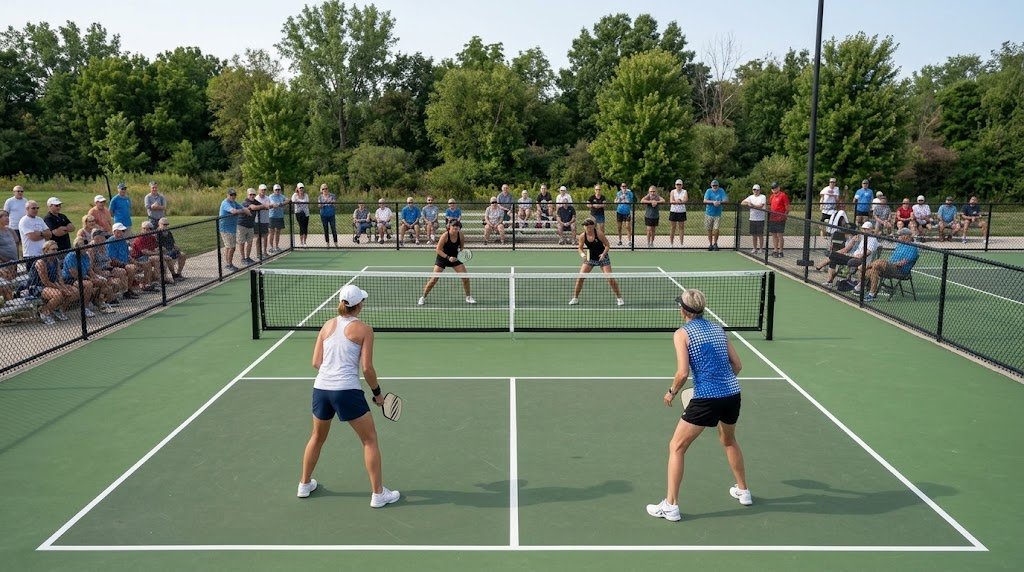
The risk of an illegal volley is a constant specter in doubles. A player who steps into the kitchen to hit a ball before it bounces commits a fault, handing a point to the opposition. This rule is what makes the non-volley line so critical. Players must time their approach to the net, ensuring they do not cross the line until the ball has cleared the net and is on its way down. Out-of-bounds risks are equally punishing. A ball that lands even a fraction outside the sideline or baseline is dead, turning a seemingly great shot into a point for the opponent. The best teams minimize these errors by maintaining disciplined court positioning and communicating constantly to avoid overlapping into illegal zones.
The victory for Basco and Legaspi is a testament to their ability to navigate these complexities under pressure. While the source does not record specific rallies or faults, the final score implies a game where the winners likely minimized their own errors while capitalizing on the opportunities presented by their opponents. The 11–8 result is not just a win; it is a statement of dominance in a format where kitchen control and disciplined volleying are the keys to success. For Duarte and Mahillon, the match serves as a benchmark, a reminder of the fine margins that separate victory from defeat in the high-stakes world of professional pickleball.