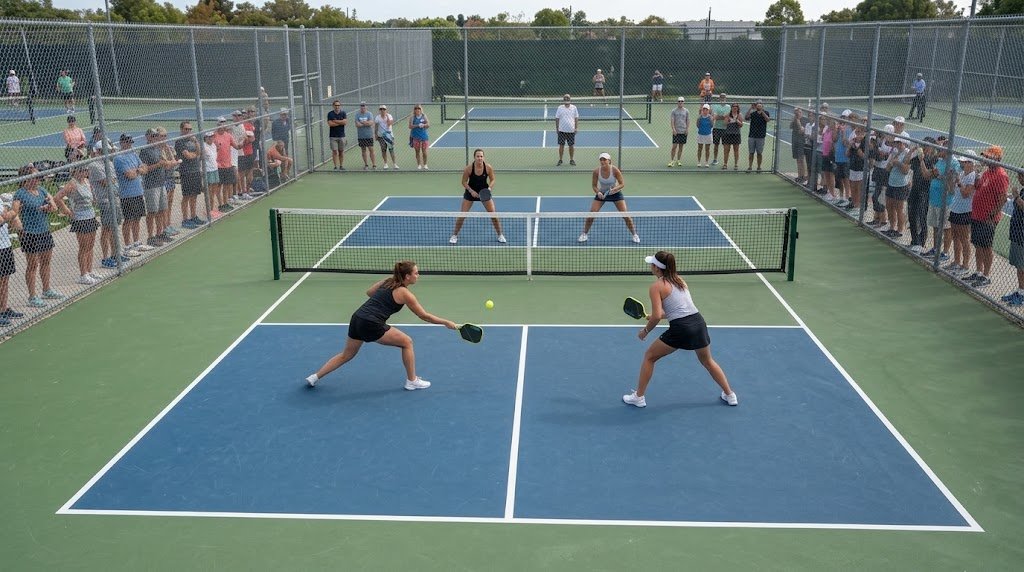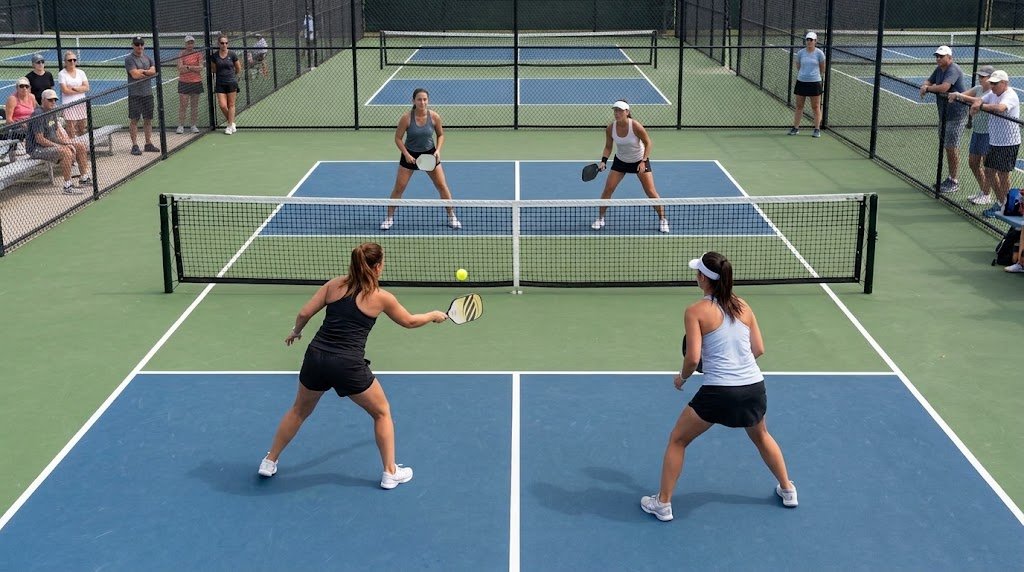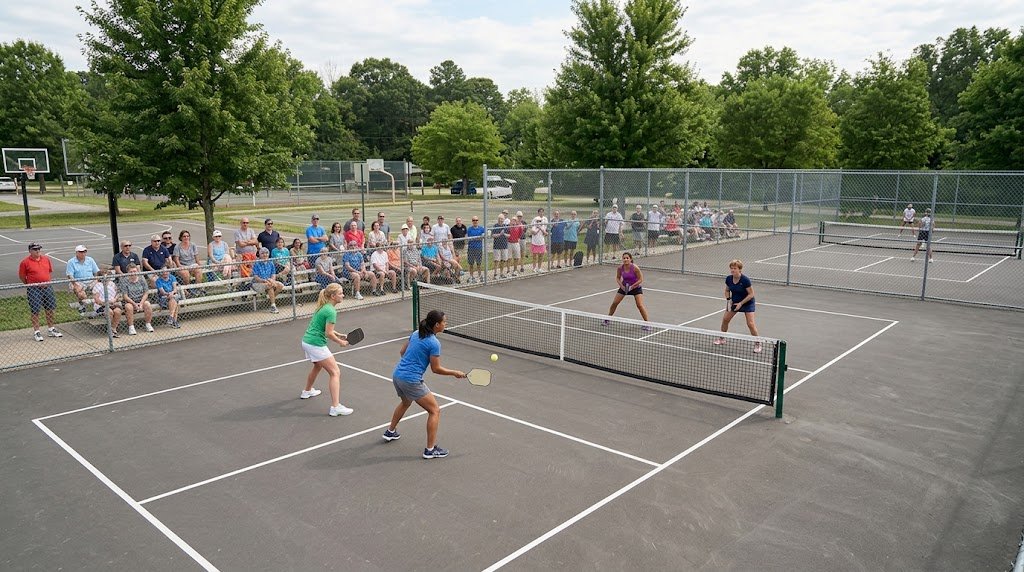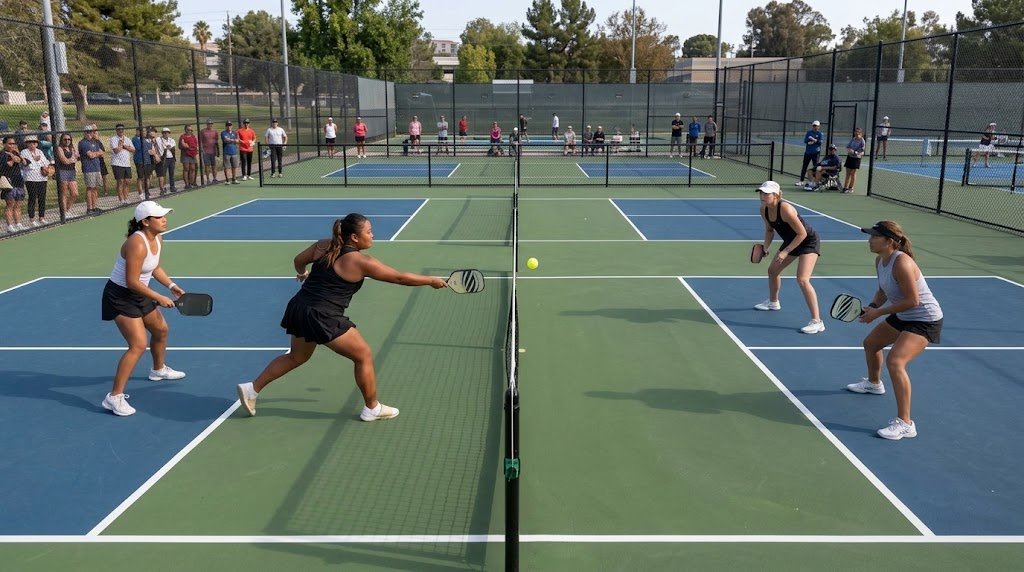

Lindsie McBratney and Stephanie Fairbanks turned the Women’s 3.50-3.99 Doubles draw into a statement line score, rolling to an 11–4 straight-sets win over Mary Navalta and Iris Pagarigan. The result was not a squeaker; it was a measured, clinical run that left the losing pair chasing from the start. Pre-match ratings had the higher-seeded pair of Navalta (3.465) and Pagarigan (3.556) marked ahead of McBratney (3.334) and Fairbanks (3.095), so the margin of victory landed with extra weight. The higher-rated team did not just win; they put the game on a string and kept it there.
A Lead That Never Loosened
From the opening service turn, McBratney and Fairbanks seized control and never visibly loosened their grip. The 11–4 line tells the story of a team that built an early buffer and then protected it with disciplined shotmaking and steady nerves. When the score climbed to 11–4, the match felt less like a rally-by-rally duel and more like a well-executed plan reaching its finish line. Navalta and Pagarigan kept fighting, but they were responding to momentum rather than dictating it.
Where the Ratings Conversation Leans
The pre-match ratings snapshot added an intriguing layer to the match. McBratney and Fairbanks entered as the lower-rated pair on paper, yet the scoring margin delivered a confident reply to any early projections. Ratings are a historical snapshot, not a verdict on talent or a forecast of future movement, but a win this clean is the kind of output that makes people recalibrate their assumptions. The 7-point margin was not accidental; it reflected a team operating with clear purpose across both games.
Doubles Teamwork That Kept Finding the Mark
In doubles, alignment and communication often separate a tidy win from a dominant one. McBratney and Fairbanks presented a unified front, moving as a pair and covering the court with a sense of shared intention. Navalta and Pagarigan had their moments, but the winning team’s ability to close out points in straight games suggests a partnership that was reading the table and reacting as one. The doubles context mattered: two bodies working in sync can turn a good shot into a great result.
Kitchen Positioning and the Art of the Dink
Great doubles play often hinges on how well a team respects the non-volley line, commonly called the kitchen. Smart positioning means staying just behind that line to volley safely, while still threatening to step in when the moment demands it. The art of the dink is a gentle, controlled shot that arcs over the net and lands soft in the opponent’s kitchen, drawing them forward and opening the court for the next strike. A well-placed dink can shift the texture of a rally without a single hard-hit ball.
Faults and Out-of-Bounds Risk
Pickleball punishes carelessness, and the best teams minimize unforced errors by respecting the rules of the court. A fault can come from a service that lands outside the correct box, a shot that clips the net and fails to cross, or a player stepping into the kitchen and volleying the ball before it has bounced. Out-of-bounds risk rises when aggressive drives hug the lines, and smart pairs balance precision with patience to keep the ball in play and the opponent guessing.
Controlling the Line Without Crossing It
There is a fine line between owning the non-volley zone and breaking its rules. Controlling the kitchen means positioning yourself to intercept shots, respond to dinks, and pressure opponents while staying legally behind the line on volleys. Volleying illegally inside the kitchen happens when a player steps on or over the line and strikes the ball before it bounces, which gives the point to the opposing side. The best teams make the kitchen feel like their territory without ever inviting a fault.
A Win That Sits Well
McBratney and Fairbanks walked away with a straight-sets, 11–4 result that did more than fill the win column. They took a lower-rated spot on the pre-match ratings card and turned it into a convincing, cohesive performance that the higher-rated pair could not answer. The 7-point margin delivered a clear message: this was not a lucky stretch, it was a confident, well-constructed evening of doubles play that left the court buzzing with the feel of a team hitting its stride.