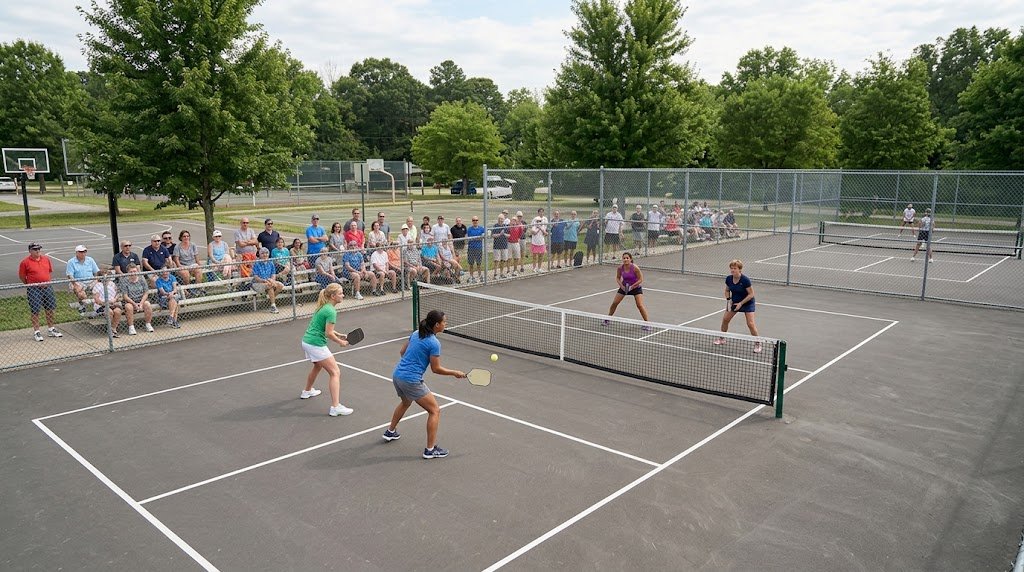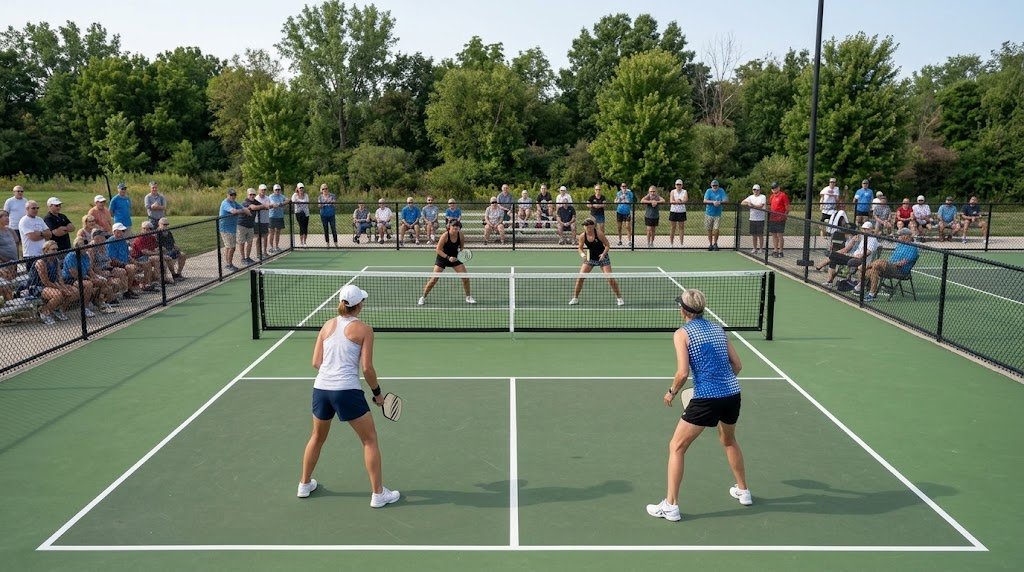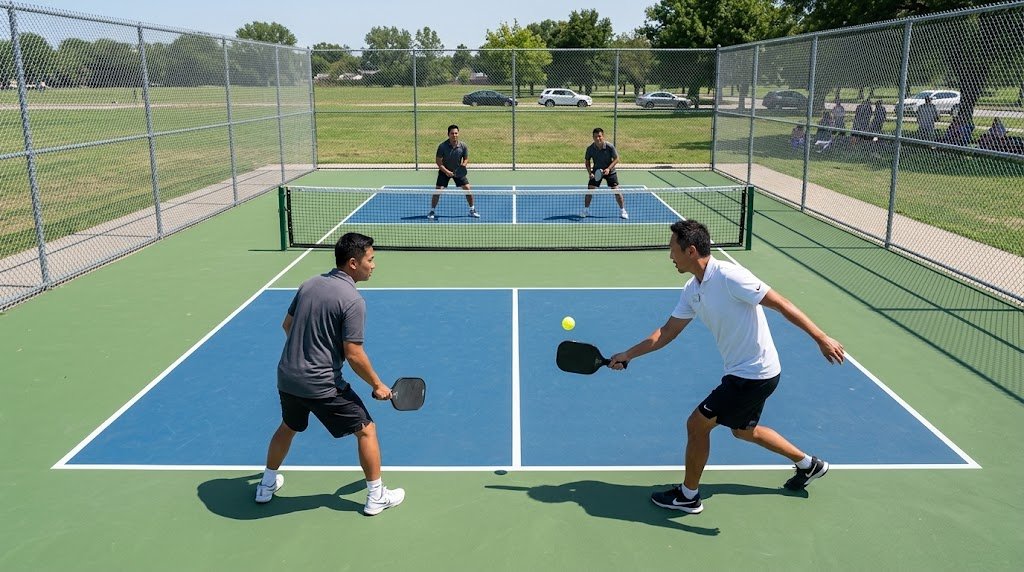

Liem Nguyen and Peter Lam brought the heat in a commanding display of doubles pickleball, shutting down Lov Nguyen and Albert Nguyen with a decisive 11-7 scoreline. The match, part of the Men's 3.0 - 3.49 Doubles event, saw the winning pair leverage their pre-match rating edge—Liem at 3.015 and Peter at a robust 3.632—to control the court from the first serve. Their opponents, Lov (3.069) and Albert (3.083), faced an uphill battle against a duo that moved with purpose and precision.
The scoreline tells a story of efficiency. In a single-game format, every point carries weight, and Nguyen & Lam made sure their opponents never found a rhythm. The 11-7 margin reflects not just a win, but a performance where the winners consistently converted opportunities while keeping their own errors to a minimum. It was a textbook case of capitalizing on service and return advantages, turning each rotation into a chance to pressure the net.
Kitchen Control and the Art of the Dink
In pickleball, the kitchen—the non-volley zone—is where points are often won or lost. Controlling the line means keeping your opponent from comfortably volleying while staying yourself just inside the boundary to avoid a fault. A well-placed dink, soft and low, can force a lift or a rushed reply. Players who master this zone use it as a shield, forcing opponents to attack from deeper positions where angles tighten and errors increase.
Faults loom large in kitchen play. Stepping over the line while volleying—hitting the ball before it bounces—is illegal and results in a point for the opponent. Out-of-bounds risk increases when players stretch for wide shots near the sideline, especially in doubles where coverage is split. The key is anticipation: reading the ball’s bounce, staying balanced, and choosing whether to let it drop or attack early.
Doubles Dynamics and Rating Context
The pre-match ratings offer a snapshot of skill levels at the time of play. Peter Lam’s 3.632 rating suggests a player operating near the upper tier of the 3.0-3.49 range, likely bringing strong net presence and shot selection. Liem Nguyen’s 3.015 places him at the lower end, but pairing with a higher-rated partner often balances the court—each player covers weaknesses while amplifying strengths.
On the losing side, Lov (3.069) and Albert (3.083) were evenly matched in rating, indicating a team built on symmetry rather than contrast. Their challenge was overcoming a pair with a higher ceiling, particularly in high-leverage moments. In doubles, chemistry often outweighs individual rating, and the winners’ ability to rotate smoothly—without overcommitting or leaving gaps—proved decisive.
What the Scoreline Built
This wasn’t a match decided by a single spectacular rally, but by cumulative discipline. Each game contributed a layer of control: the winners likely held serve with consistency, converted break opportunities, and minimized unforced errors under pressure. The 11-7 result suggests they never allowed their opponents to mount a comeback—no tie-breakers, no dramatic surges, just steady accumulation of points.
For the losing pair, the match offers a benchmark. Facing a team with a rating spread of over 0.6 points between partners highlights the importance of adaptability. In future matches, adjusting net positioning, varying depth on returns, and improving communication under pressure could turn close losses into wins.
The result stands as a clear indicator of form and execution. Nguyen & Lam didn’t just win—they did so with a style that rewarded preparation and court awareness. For spectators and analysts alike, it’s a reminder that in pickleball, the most dominant wins often come not from flashy shots, but from relentless consistency and smart positioning. The scoreboard doesn’t lie: 11-7 was a statement, and the kitchen was theirs to command.