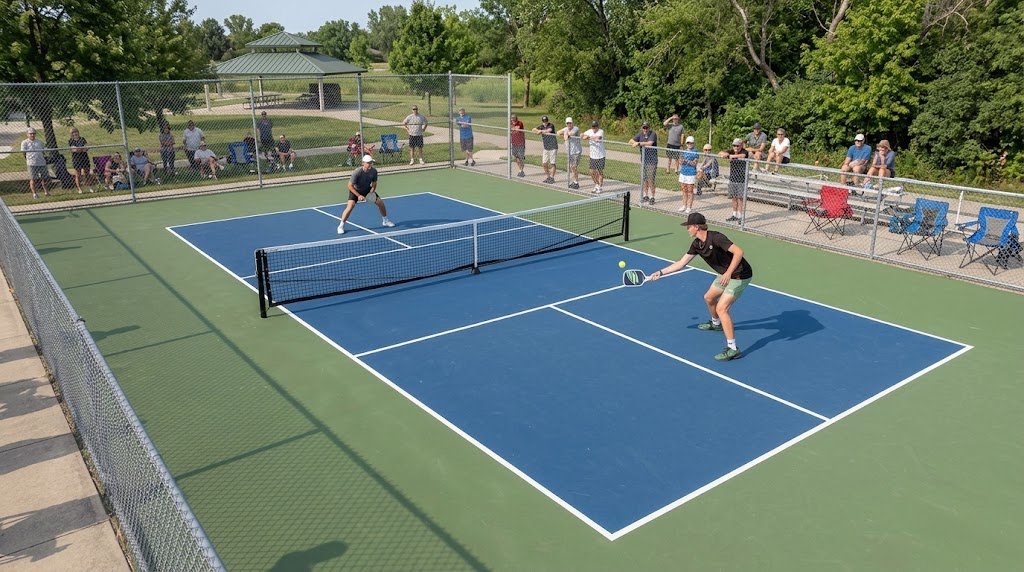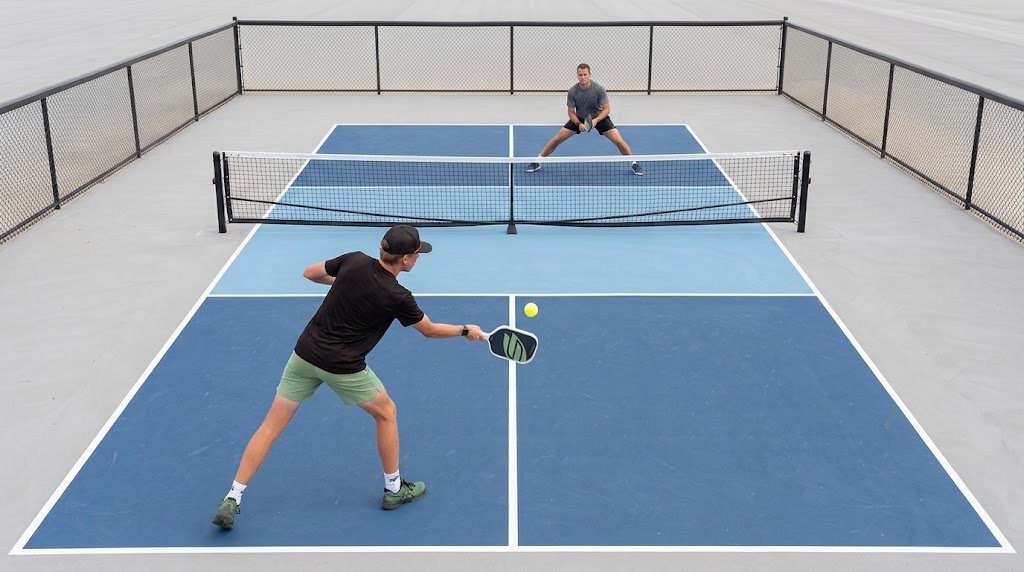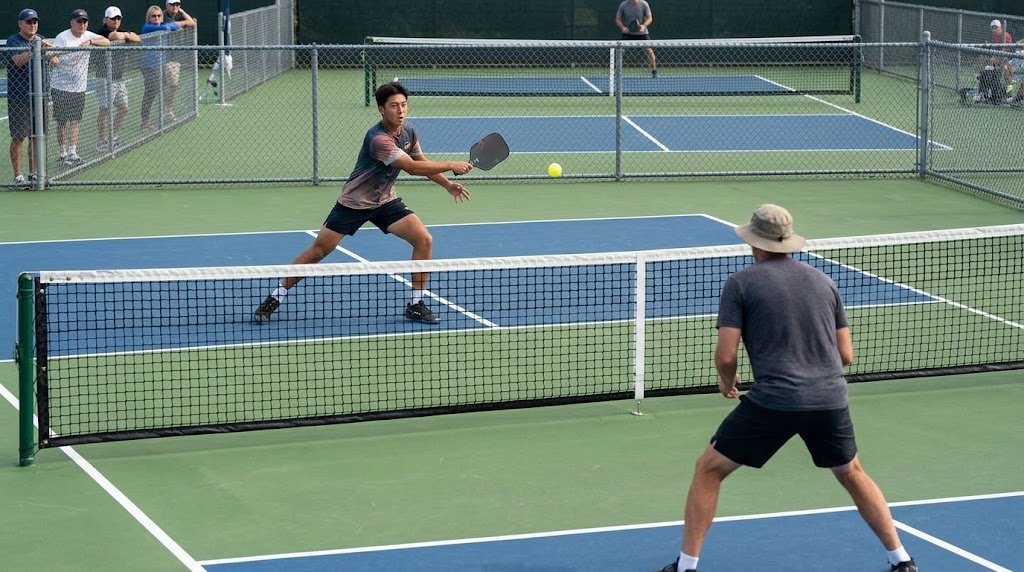


Kyle Pham got the last word against Drew Kirby Engle, but it was a whisper rather than a thunderclap: 11-10.
The two-game singles match at the $30,000 Proton National Tour by MPO - Cash Prize Tournament in Corona finished with Pham ahead by one point. The recorded margin was exact, not a rounding artifact, and the singles format kept the contest as a one-on-one affair.
That one-point edge is where the story lives. An 11-10 finish can turn a narrow lead into a high-wire act, with every dink, reset and kitchen decision carrying extra weight. It is not the same as a runaway. Pham's advantage was real, but the scoreboard leaves plenty of room for interpretation about how the game developed.
There are no verified rally-by-rally details in the record, so it would be tempting to fill the blanks with imagined action. Instead, the cleanest read is this: Pham held the advantage and converted it at the buzzer. Kirby Engle remained in the frame through the final point.
A one-point margin also means the result can feel different depending on how the points were distributed. The source gives only the final score, not point-by-point progression. It cannot tell us whether the lead changed hands, whether the match tightened late, or whether one player controlled the tempo for stretches. What it does confirm is that Pham finished one point clear.
For players studying the result, the lesson is practical. In a close singles match, the kitchen is not just a boundary; it is a pressure zone. Controlling the non-volley line means choosing when to step forward with purpose, when to reset at a safer depth and when to let the opponent create the mistake. That is different from volleying illegally inside the kitchen. The non-volley line governs positioning and timing; a kitchen volley is a separate rule issue. A player can be well placed near the line without committing a fault, and a fault only happens if the rules are actually broken.
Dinks matter because they stretch the decision tree. A controlled dink can force the opponent to lift, but an overcooked dink can turn into an easy put-away. Out-of-bounds risk is equally important: in a match decided by one point, a ball that lands just outside the line can be the difference between holding a lead and handing over the advantage. The takeaway is not that either player made those errors here; it is that close matches reward shot selection, patience and discipline.
The pre-match ratings add useful context, but they are a snapshot, not a current rating and not a prediction. Pham entered at 5.206, while Kirby Engle was listed at 4.455. That gap frames the matchup as one in which Pham arrived with the higher recorded rating, yet the 11-10 finish shows the result was not a blowout. Ratings describe a moment; they do not rewrite the scoreboard or guarantee how a particular match will unfold.
In the end, Pham's 11-10 win is a narrow but meaningful statement. Kirby Engle stayed close enough to make the final point matter, while Pham turned the smallest possible edge into the result. In pickleball, that kind of finish is its own kind of pressure: not a demolition, not a runaway, but a match where the last inch of control can decide everything.