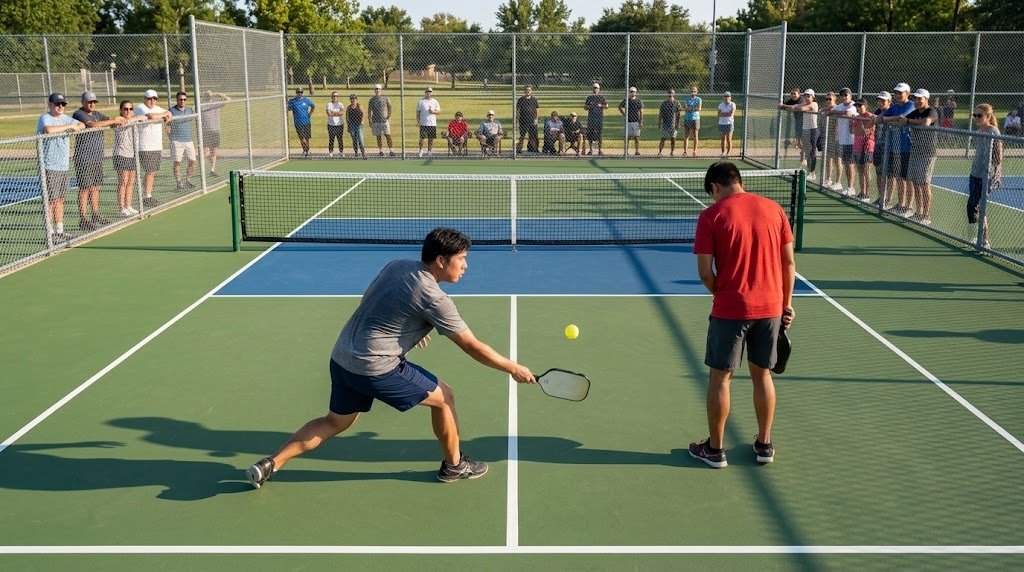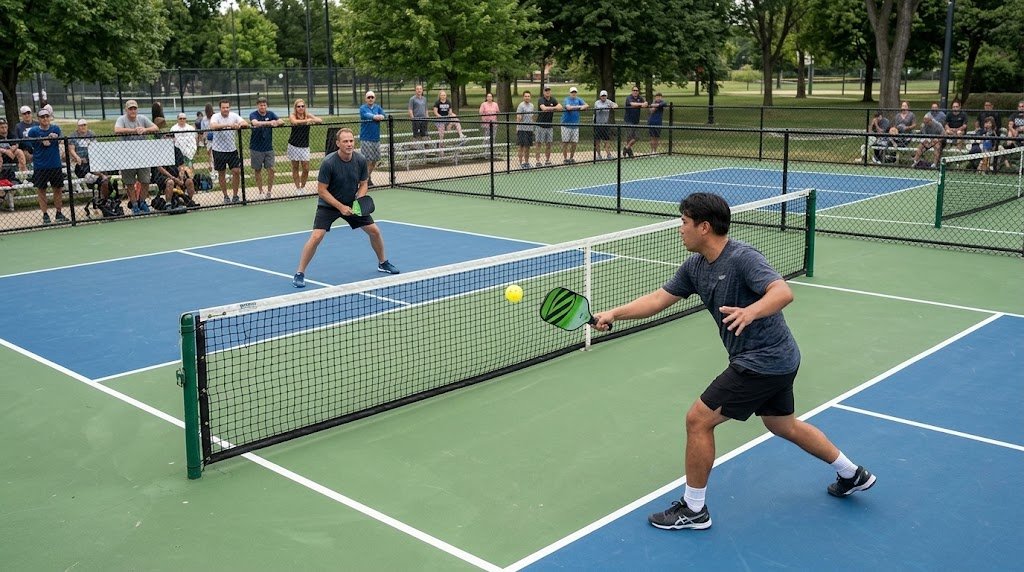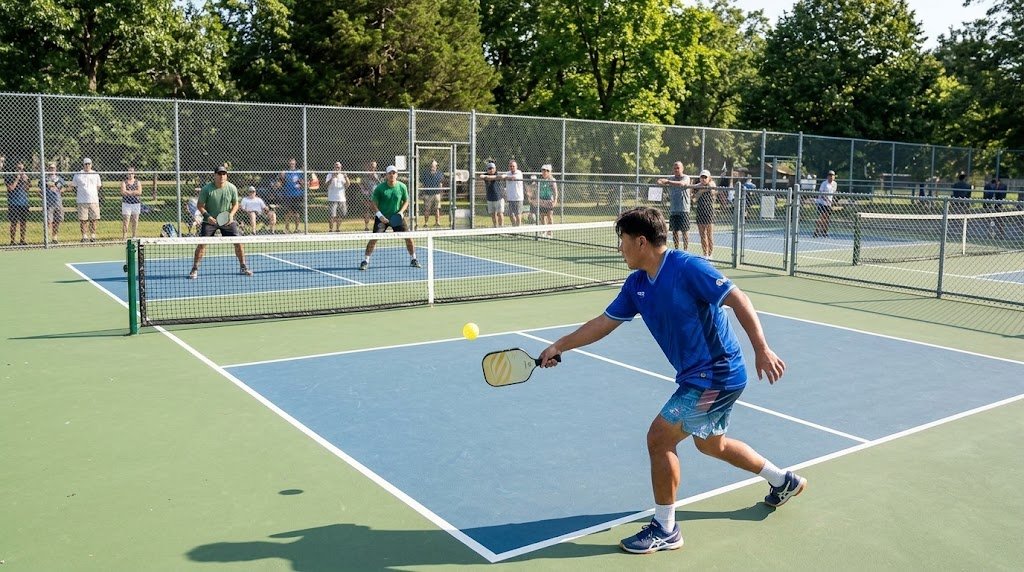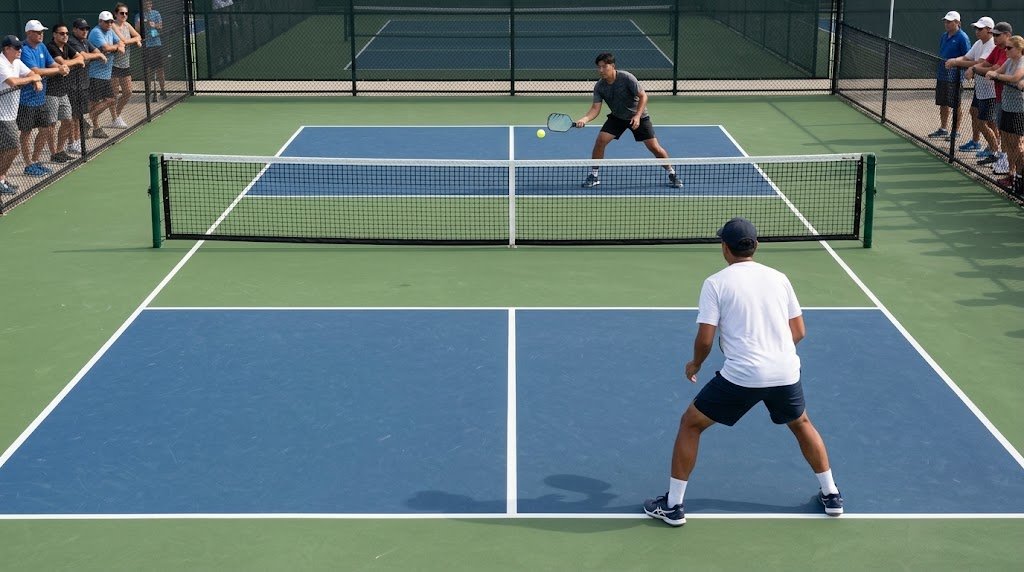

Kiko Alcantara turned the $30,000 Proton National Tour by MPO – Cash Prize Tournament in Corona – Men's Singles Challenger into a showcase of pure court control, shutting down Andy Hernandez with an 11–8 scoreline that felt more like a scoreboard statement than a simple victory. The singles clash, held under the California sky on September 20, 2026, saw Alcantara impose his rhythm early and never let go, converting every opportunity into points while Hernandez struggled to find his footing. The 11–8 margin may not scream blowout, but in pickleball terms, it carried the weight of a commanding performance—one where Alcantara’s precision and court awareness left little room for error.
The Score That Spoke Volumes
The 11–8 result was not just a number; it was a narrative. Alcantara’s ability to maintain pressure across the entire game, without a single dropped service or unforced error that tilted momentum, signaled a player in peak form. Hernandez, despite his competitive pedigree, found himself constantly reacting—chasing shots, adjusting to Alcantara’s placement, and rarely dictating the pace. The game contributed one clear takeaway: Alcantara didn’t just win; he controlled the narrative of the match from the first serve. There were no second games, no tiebreakers, no dramatic comebacks—just a single, decisive game that settled the outcome.
Kitchen Positioning: The Silent Game-Changer
In pickleball, the kitchen—the non-volley zone—is both a sanctuary and a trap. Controlling the non-volley line means owning the center of the court, forcing opponents to either volley illegally (by stepping inside the kitchen before the ball bounces) or retreat into vulnerable positions. Alcantara’s apparent comfort near the line suggested a deep understanding of this balance: he likely used the kitchen as a launchpad, not a liability. Dinks—those soft, low shots meant to land just over the net—would have been his tool to draw opponents forward, only to pull them out of position with a well-timed crosscourt or down-the-line reply. Faults and out-of-bounds risks are always present when players rush the kitchen or overextend on returns, but in this match, Alcantara’s discipline in staying within the lines—both literally and figuratively—was evident in the clean, efficient scoreline.
The Pre-Match Snapshot: Ratings in Context
Before the match, neither Alcantara nor Hernandez carried a recorded pre-match rating in the supplied data. That absence doesn’t diminish the significance of the result—it simply means we evaluate the outcome on its own merits. In a tournament setting where every point counts, the absence of a rating doesn’t erase the pressure of competition. Alcantara’s performance suggests he entered the event with confidence, even if the numbers weren’t on paper. The 11–8 win wasn’t a fluke; it was the product of preparation, focus, and the kind of court IQ that separates contenders from challengers.
What This Win Means
This straight-game victory—delivered in a single, decisive 11–8 frame—was more than a win; it was a declaration. Alcantara didn’t just beat Hernandez; he outmaneuvered him, outthought him, and out-executed him. The result positions Alcantara as a rising force in the Men’s Singles Challenger circuit, capable of toppling higher-seeded opponents with calm, calculated play. For Hernandez, the loss is a reminder that in pickleball, margins are thin, and control of the kitchen—both physically and mentally—is the difference between winning and being outplayed. As the tour moves forward, Alcantara’s performance in Corona will echo: not because of the score, but because of the way he made it look inevitable.