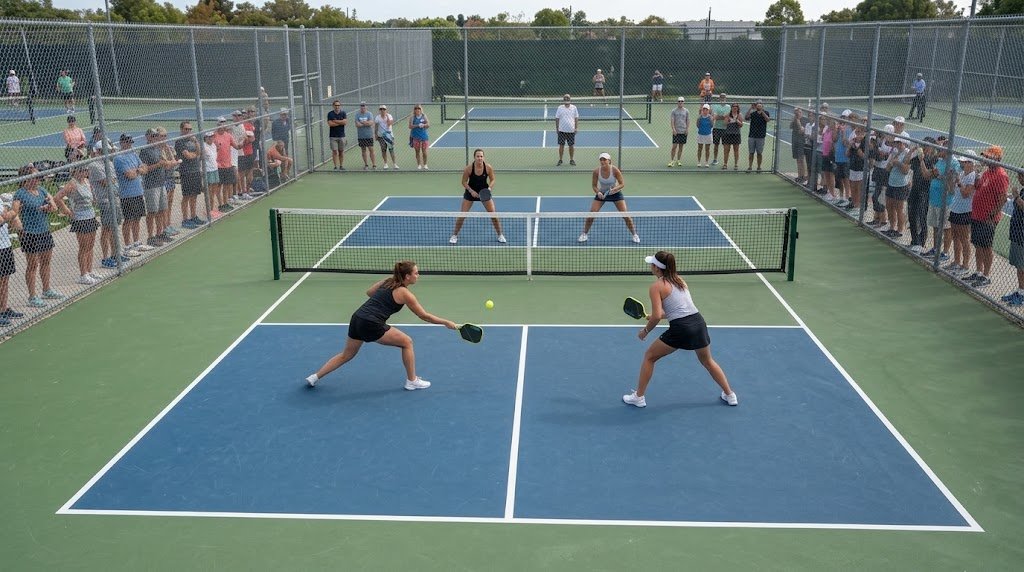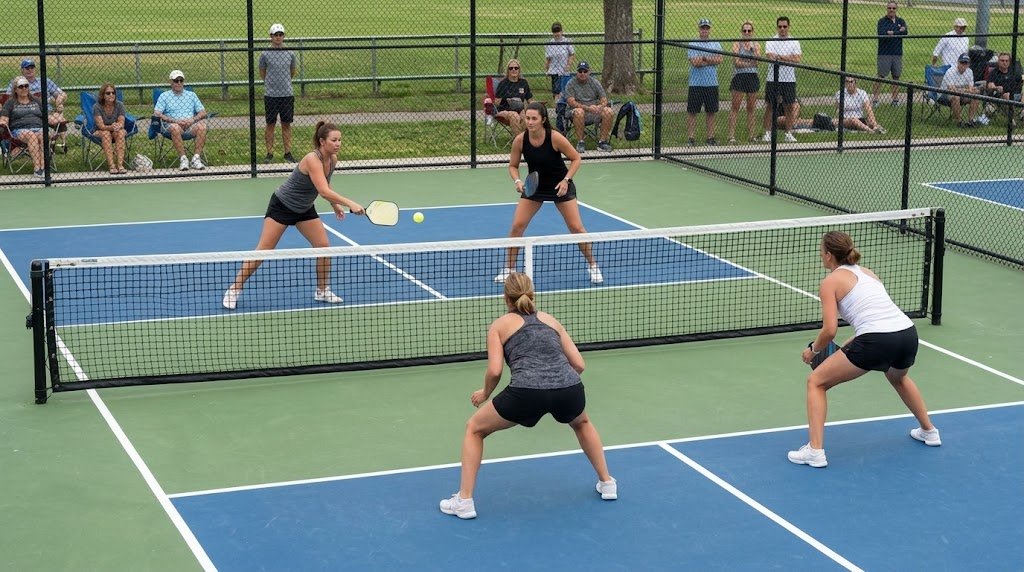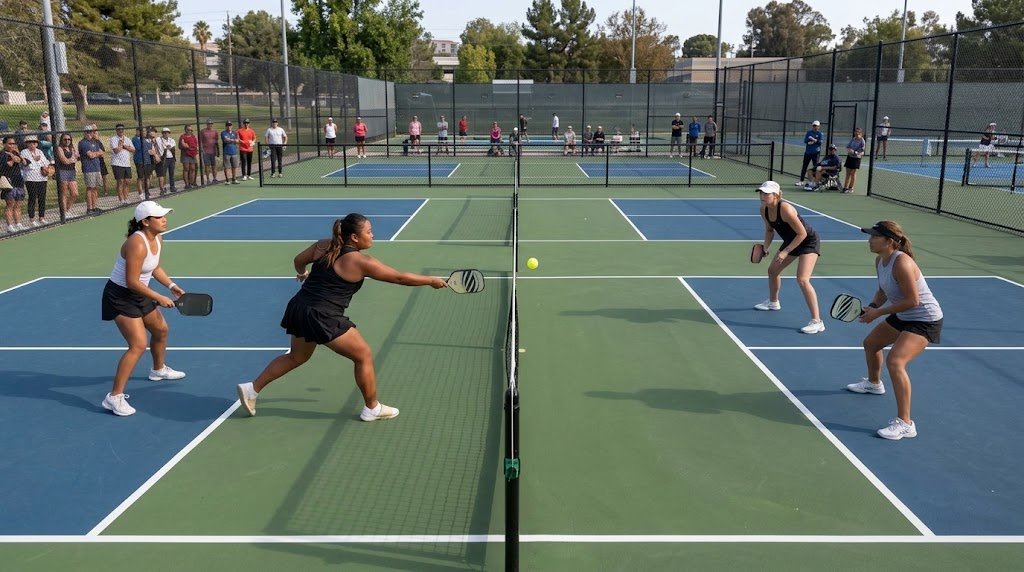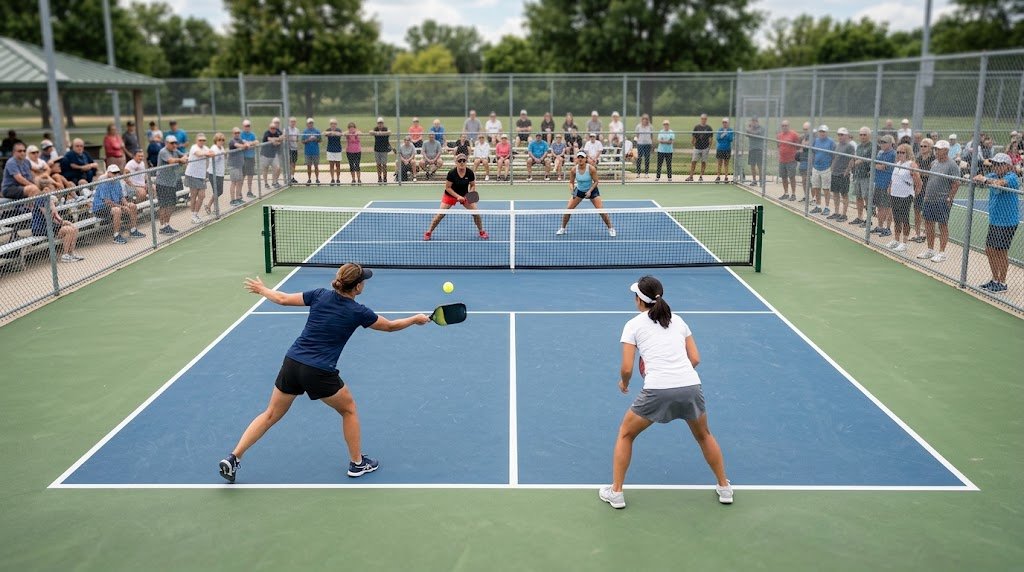
Arden B and Haruyo Matsukubo recorded an 11–10 victory over Cheryl Gates and Denise Dinh in Women's 3.50-3.99 Doubles on September 20, 2026, according to the event's recorded result. The 11–10 scoreline suggests a tight, competitive set rather than a runaway sweep. Pre-match ratings paint a nuanced picture: Matsukubo entered at 3.118, Dinh at 3.372, while Arden B carried a 2.984 mark and Gates had no listed rating. That spread hints at individual upside, but doubles chemistry and point construction ultimately dictated who closed out the ball. The single recorded set gives us one clear margin to read — a one-point difference that turns a routine opening game into a statement of resilience. Every point in an 11–10 contest matters, and the winner's ability to absorb pressure while extending rallies likely separated these two teams. It is important to note that the source records only the scoreline, not rally-by-rally details, so interpretation stays general and conditional. Pre-match ratings are snapshots, not current ratings or guarantees of future performance. The winner's straight-game result in this context rests on the one reported set; additional games are not available to compare.
Reading the Kitchen Line
Controlling the non-volley line is one of pickleball's most powerful positional habits. A player who can hold that line forces opponents to hit up, creating angles and shortening reaction time for the other side. The kitchen itself is the non-volley zone, and stepping inside it to strike a ball before it bounces is an illegal volley — a rule that shapes every exchange. These are general principles, not a claim that any specific violation occurred in this match. Good kitchen positioning means staying balanced, reacting laterally and resisting the urge to lunge forward prematurely. When done well, it turns defense into offense without crossing into the fault zone.
Dinks, Faults and Out-of-Bounds Risk
Dinks are soft, low shots designed to keep the ball in the kitchen arc, inviting errors from opponents who rush or over-swing. A misplaced dink can sail into the net, land beyond the baseline or wander into the sidelines, each a potential fault. Out-of-bounds risk rises whenever a player chases a wide return and hits behind the body or off the back foot. These are general risks, not a record of faults called in this contest. Smart teams treat dinking as a tempo tool, slowing the point to set up a heavier attack later. The 11–10 scoreline implies both teams had chances to end points early, yet the margin stayed thin enough that one loose dink or over-hit return could have swung the game.
Closing Perspective
An 11–10 result in Women's 3.50-3.99 Doubles reads as a gritty, well-earned win for Arden B and Haruyo Matsukubo, not a runaway exhibition. The closeness of the score mirrors the competitive balance suggested by the pre-match ratings, where Dinh's higher mark did not translate into a wider margin. In pickleball, a one-point game forces every player to respect the next rally, and the winner's composure under that pressure likely told the real story. Without verified details on rallies, tactics or crowd atmosphere, the takeaway remains rooted in the numbers: a narrow score, a solid result and a reminder that ratings are starting points, not destiny. This win establishes momentum, but the next match will be the real test.