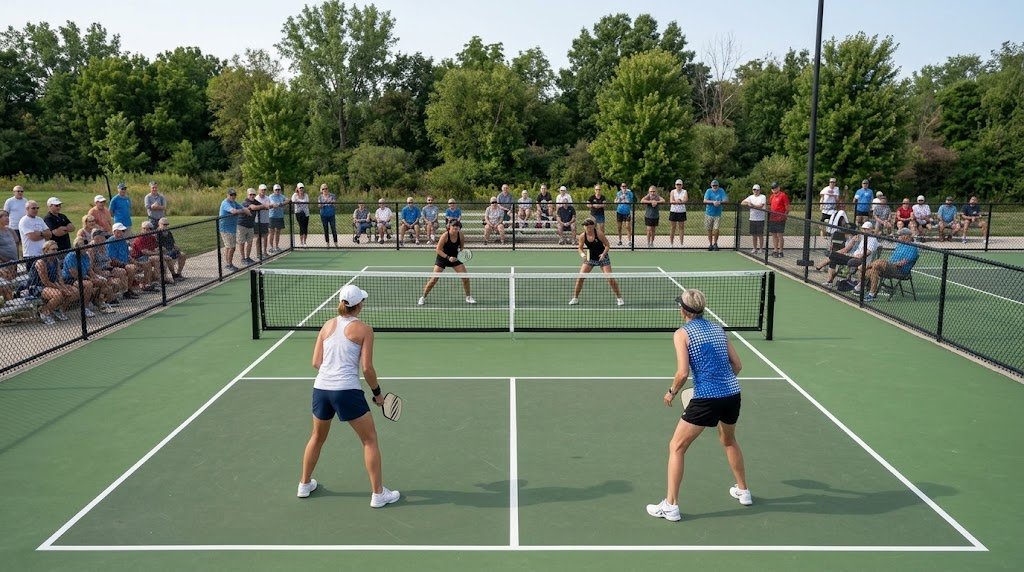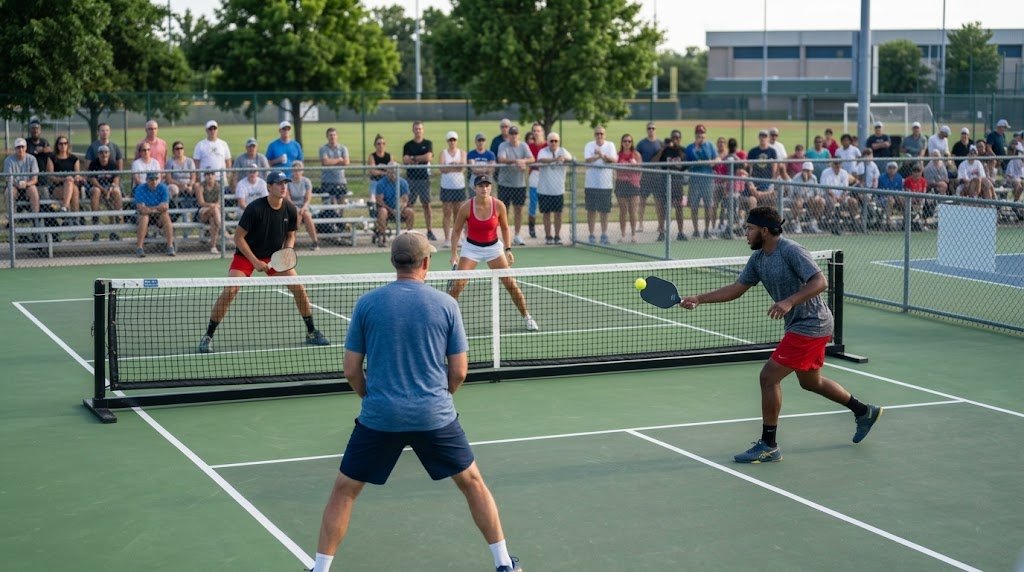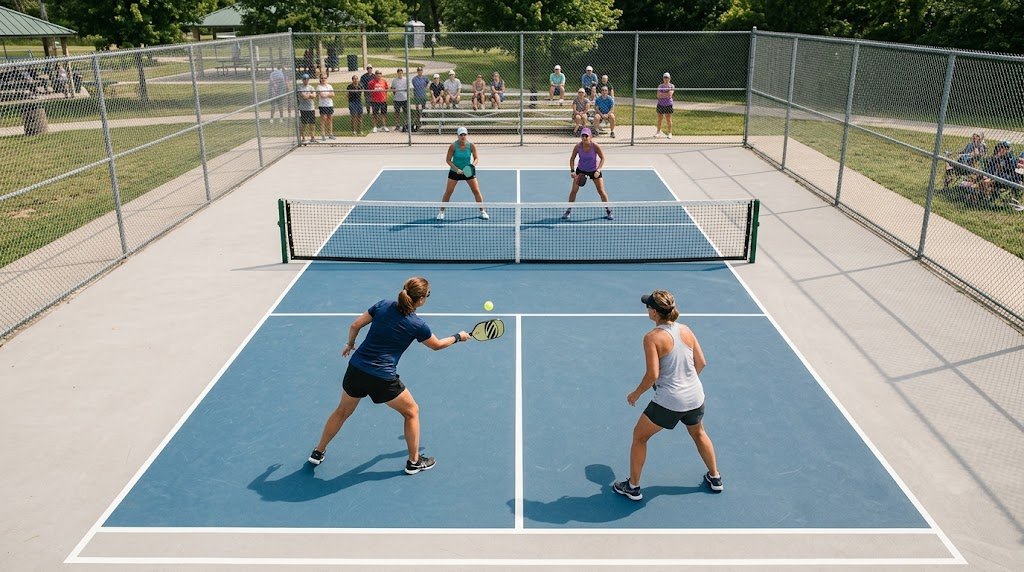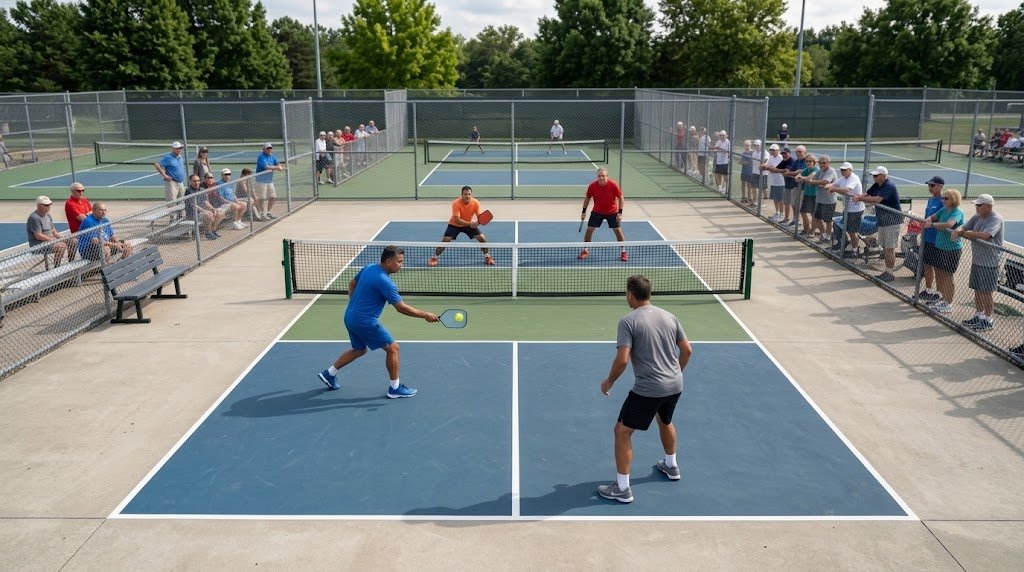

Juan campos and David A Pantoja Sr. needed just one game to write a decisive chapter at the $30,000 Proton National Tour stop in Corona, rolling past Sonny Braga and Cesar De Leon 11–4 in *Senior* Men's Doubles 3.0 action. The scoreline reads less like a contest and more like a clinic, a straight-games dispatch that announced the winners as the team to watch in this bracket.
A Lead That Never Relented
From the opening serve, campos and Pantoja Sr. established a rhythm that felt inevitable. Pantoja Sr. entered with a pre-match rating of 3.318, the highest of the four competitors, while campos carried a 2.66 mark. Braga (2.813) and De Leon (2.463) possessed respectable numbers on paper, but the court told a different story. The winners converted early opportunities, stretched the lead methodically, and never allowed the opposition to construct a meaningful run. An 11–4 margin in a single game to 11 is a scoreboard shutout in practical terms—a statement win that leaves zero doubt about who controlled the tempo.
The Kitchen Chess Match
Pickleball at this level often hinges on mastery of the non-volley zone. Controlling the kitchen line means planting yourself at the edge of the 7-foot zone, ready to volley out of the air or push dinks that force opponents into uncomfortable contact points. The team that holds that real estate dictates the geometry of the rally, shrinking the court for their rivals and expanding their own angles. Volleys struck while physically inside the kitchen are faults; the rule demands both feet remain behind the line at the moment of contact. A player may step in to play a ball that has bounced, but must re-establish position behind the line before the next volley. That discipline—advancing on the bounce, retreating for the volley—is the footwork signature of high-percentage doubles.
Dinks, the soft shots dropped just over the net into the kitchen, are the primary currency of that battle. A well-placed dink forces a low contact, inviting a pop-up that can be attacked. Conversely, a dink that sits up or drifts long becomes a liability, handing the opponent a put-away. Out-of-bounds risk escalates when players press the sidelines to stretch the defense; the margin between a winner and a fault narrows to inches. Smart teams manage that risk by targeting the middle third of the court early, widening only when the opponent proves unable to cover the straight-away reply.
Rating Context and What Comes Next
Pre-match ratings are snapshots, not prophecies. Pantoja Sr.'s 3.318 suggested a player comfortable at this level; campos's 2.66 indicated a capable partner. Braga's 2.813 and De Leon's 2.463 implied a competitive pairing on paper. The 7-point differential exposed the gap between theoretical parity and live execution. In a format where a single game decides the match, there is no adjustment period, no second-game reprieve. The winners imposed their game plan immediately; the losers never found a counter.
Campos and Pantoja Sr. advance with momentum measured in efficiency. One game, eleven points, a clean line through the draw. The bracket tightens from here, but the message has been sent: this duo arrives locked in, kitchen-savvy, and unwilling to waste a single rally.