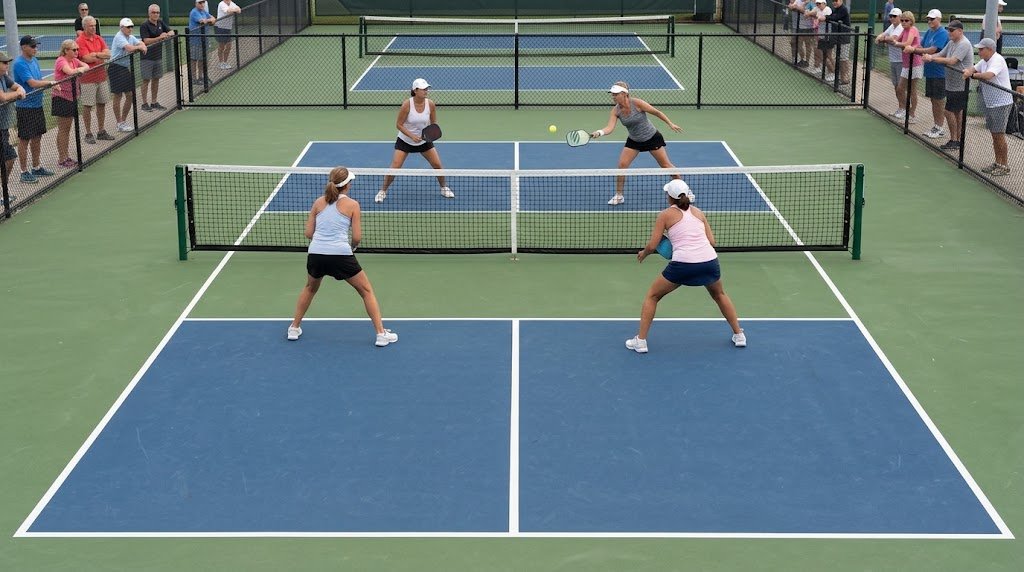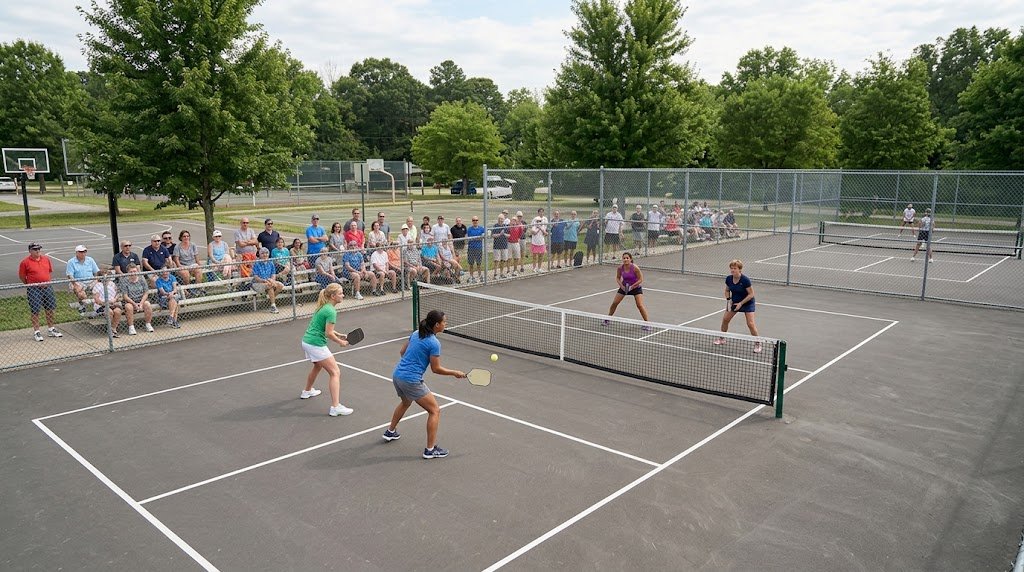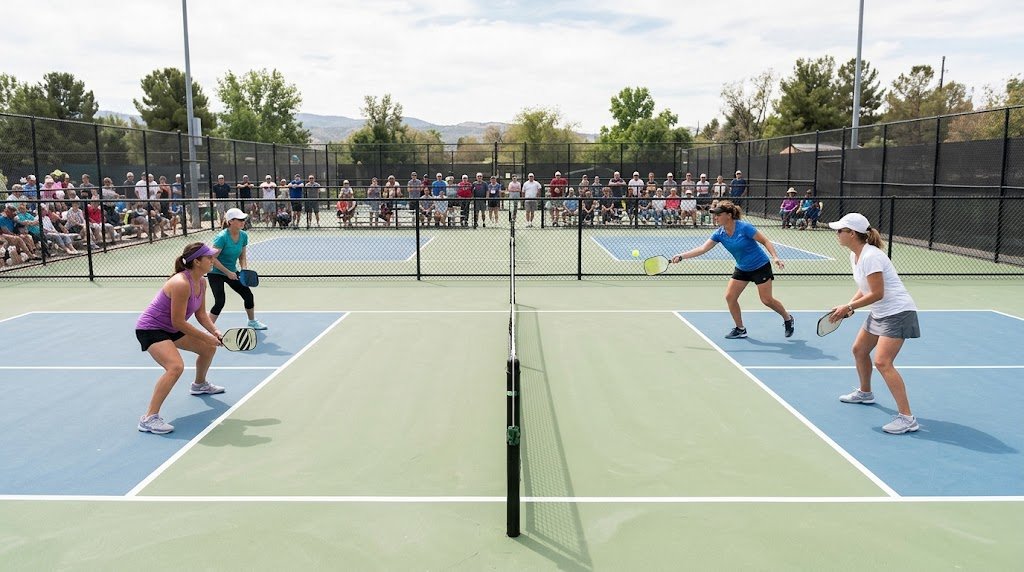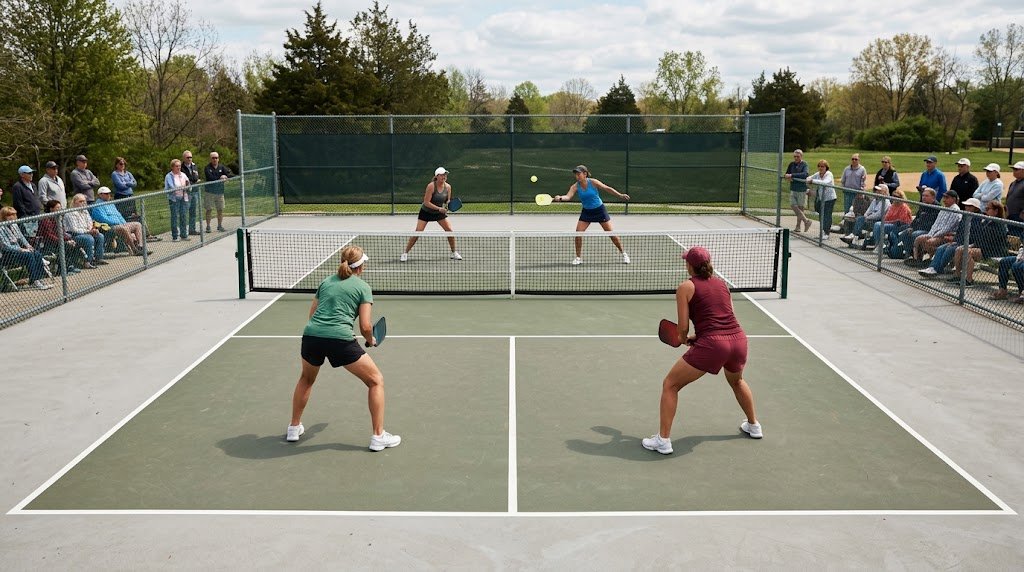

In a display of decisive rhythm and scoreboard authority, Christina Catipay and Ly Kursits surged to a commanding victory in the Women's 3.0-3.49 Doubles division. The matchup, which took place on September 20, 2026, saw the pairing of Catipay and Kursits dismantle the opposition with an 11–5 scoreline, establishing a clear distinction in momentum from the opening serve.
A Statement of Control
The contest was defined by the efficiency of the Catipay-Kursits duo. While Rira Manzano and Kiyoka Suzuki fought to find their footing, the winners maintained a pace that prevented any significant shift in the match's trajectory. Entering the match, Manzano held a pre-match rating of 3.224 and Suzuki stood at 3.001, providing a competitive baseline against Catipay’s 3.135.
Despite the relatively close pre-match ratings, the execution on the court told a much more one-sided story. The 11–5 result serves as a testament to Catipay and Kursits' ability to close out points and limit the scoring opportunities available to their opponents. It was not merely a win, but a demonstration of clinical precision that left Manzano and Suzuki searching for answers throughout the set.
Technical Mastery at the Net
Success in this division often hinges on the delicate dance performed near the non-volley zone. In pickleball, the margin between a winning strategy and a costly error often comes down to how players manage the kitchen. Controlling the non-volley line is a fundamental aspect of high-level doubles play, as it allows a team to squeeze the court and limit an opponent's options.
Effective play involves a constant awareness of the line. A player must navigate the transition from the baseline to the kitchen without committing a fault. For instance, a common technical challenge involves the distinction between standing at the line to control play and the violation of volleying a ball while physically inside the kitchen area. Maintaining position is about pressure, whereas hitting the ball while encroaching on the zone results in an immediate loss of the rally.
Precision and Risk Management
Beyond the net, the match highlights the importance of minimizing out-of-bounds risks and mastering the dink. Dinking—the soft, controlled shot intended to land in the opponent's kitchen—is a tactical tool used to neutralize power and force errors. When a team can consistently land these shots, they dictate the tempo of the game.
Conversely, mismanagement of depth can lead to high-risk scenarios. Players must balance aggression with the necessity of keeping the ball within the boundaries. An errant shot that lands out-of-bounds is a gift to the opposition, often providing easy points without requiring the opponent to exert any defensive effort. For Catipay and Kursits, the ability to maintain this balance appeared to be the deciding factor in their 11–5 victory.
Looking Forward
The result provides a clear snapshot of the current competitive landscape within this bracket. While Manzano and Suzuki showed the foundational skills necessary for this level of play, the gap in execution was wide. Catipay and Kursits proved that when tactical positioning and shot selection align, the scoreboard reflects that synergy immediately. As the tournament progresses, this win establishes them as a duo to watch, having demonstrated they can turn a competitive matchup into a decisive statement.