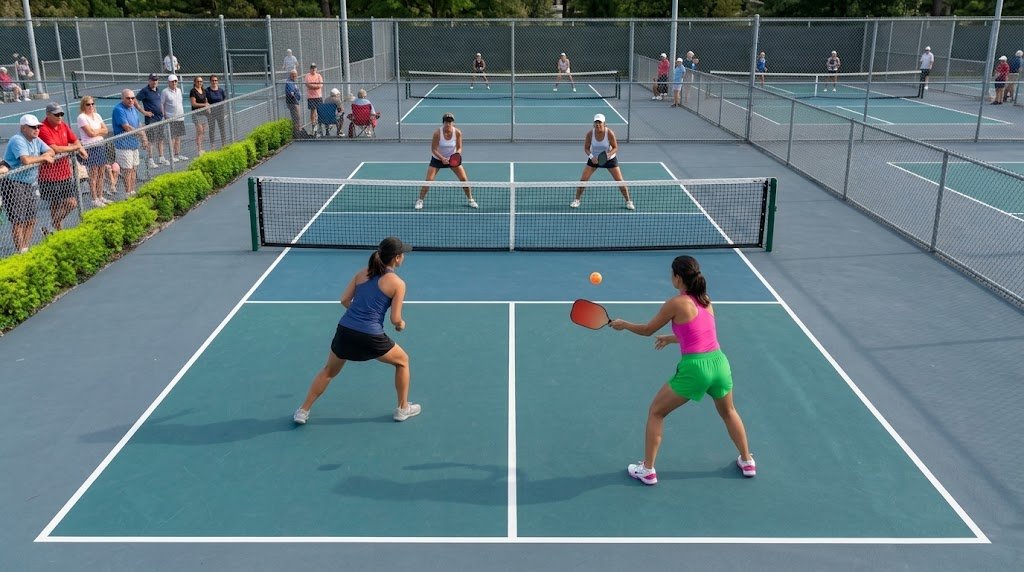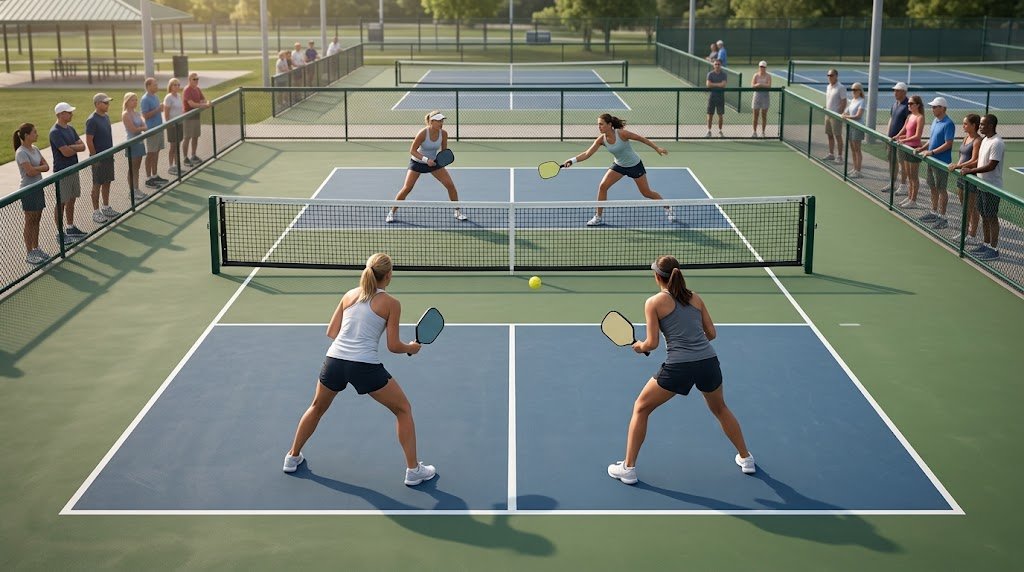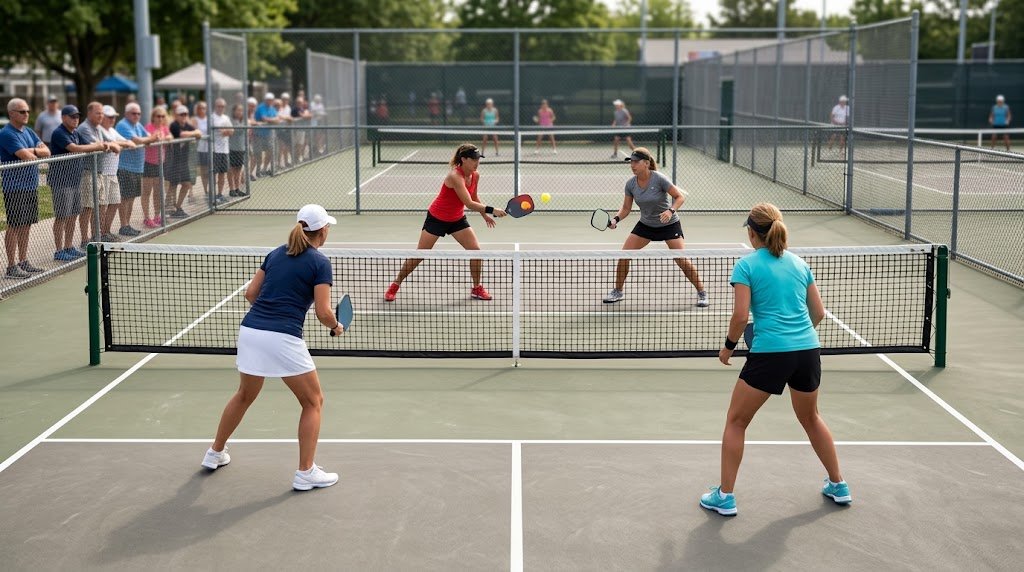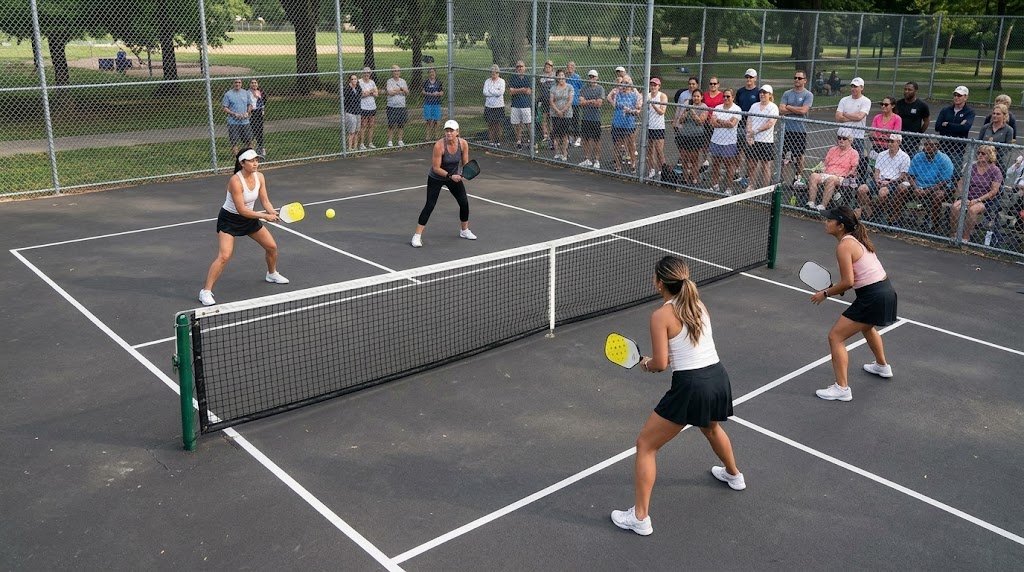

The scoreboard tells the whole story in just one game: Donnabelle Gregana and Kathrina Gregana claimed a 11–1 victory over Ethel Poire and Diane Salcedo Balding in the Women's 3.0-3.49 Doubles event. While the single-game format provides a snapshot rather than a marathon, the margin of victory leaves little room for ambiguity. This was a commanding display of consistency, rhythm, and textbook execution that defined the match's outcome.
Setting the Context
Going into the match, Donnabelle Gregana held a pre-match rating of 3.128, placing her slightly above the 3.0 skill tier, while her sister Kathrina entered at 2.987. On the other side of the net, Ethel Poire carried a pre-match rating of 3.04, and Diane Salcedo Balding stood at 2.873. These pre-match figures serve as a baseline snapshot of player skill levels leading up to this September 20, 2026, matchup. In a one-game match, early momentum is everything. The recorded 11–1 scoreline suggests that the Gregana pair established immediate control from the first point, never allowing the opposing team to gain a foothold in the scoring.
The Commanding Performance
An 11–1 result is a statement win in the most literal sense. It represents a complete domination of the rally structure, where errors on the winning side were minimal while the opposing team struggled to convert opportunities into points. For Donnabelle and Kathrina, straight games performance in this context is less about a long battle and more about efficiency. They dictated the pace, forcing the Poire-Balding pair to play off their back foot. The clean sweep of the single recorded game highlights a decisive gap in execution between the two pairs under these specific conditions.
Kitchen Dynamics and Boundary Control
In pickleball, the kitchen, or non-volley zone, is the heart of strategic positioning. Understanding the difference between controlling the non-volley line and volleying illegally inside the kitchen is critical for a team aiming for a shutout. Generally, players who stay back at the non-volley line can use it as a boundary to reset the ball, whereas stepping into the zone to volley results in a fault. While we do not have witness data on specific faults, general analysis suggests that dominance in this category often relies on clean footwork and disciplined timing.
Furthermore, the kitchen line acts as a key anchor for dinks. A well-executed dink keeps the ball low and in play, forcing opponents to generate their own lift. This is where out-of-bounds risk becomes a pivotal factor. When players are pinned deep by consistent dinking, their reactive swings increase the likelihood of pushing the ball past the baseline or sideline. The Gregana pair’s 11–1 record suggests they managed this dynamic effectively, maintaining pressure that likely pushed their opponents into higher-risk shots without the safety net of a varied, long-game rally to recover from early deficits.
A Roadmap for Improvement
This result serves as a clear benchmark for the 3.0-3.49 tier. For Poire and Balding, the gap highlights areas where improving dink consistency and reducing boundary errors can close the margin. For Gregana and Gregana, maintaining this level of pre-match focus against higher-rated opposition will be the next test. The 11–1 victory stands as a definitive moment in their season, a reminder that in pickleball, controlling the kitchen and minimizing unforced errors often dictates the final tally more than raw power ever could. This result is a snapshot of their skill on that specific date, a clear marker of their current competitive edge.