
Danny Nguyen and Kelvin Tran cruised to an 11–5 victory over Hung Nguyen and Kristoffer Arym Cruz in the Men's 3.0–3.49 Doubles, a statement win that belonged to the higher-rated pairing from wire to wire.
The scoreboard tells the story of a match where momentum never truly shifted. With pre-match ratings of 3.301 and 2.788, Nguyen and Tran entered as the clearer favorites, and they delivered a performance that matched expectation without needing late drama.
A lopsided margin of six points may not sound seismic, but in an 11-point format every rally carries outsized weight. Winning roughly two-thirds of the points available is a comfortable, commanding result rather than a flirtation with disaster.
For context, doubles pickleball rewards pairs who can control the pace early and force opponents into reactive positions. A scoreline like this typically reflects consistent court coverage and the ability to keep the ball in play while limiting unforced errors from the other side.
Kitchen Positioning and the Non-Volley Zone
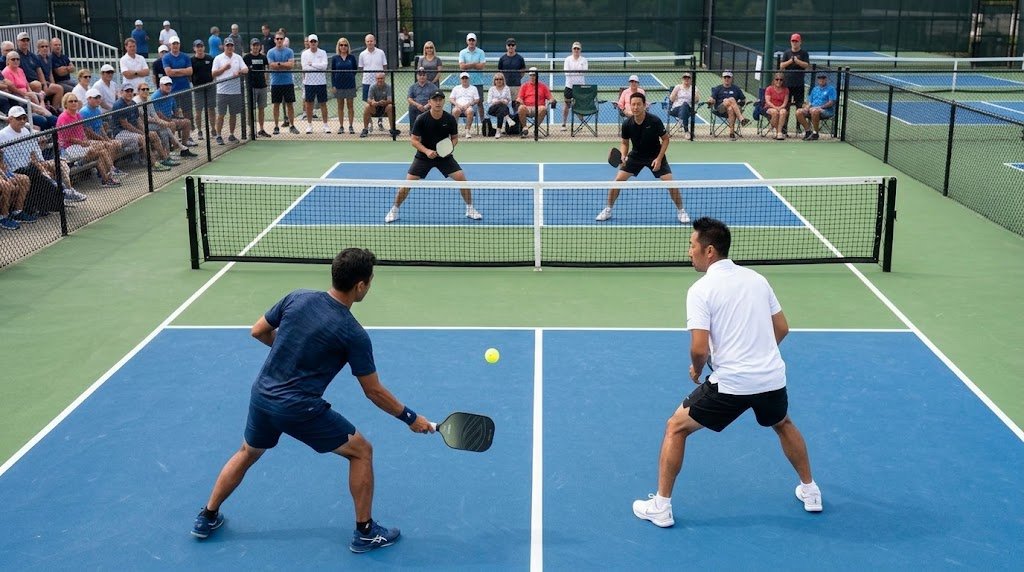
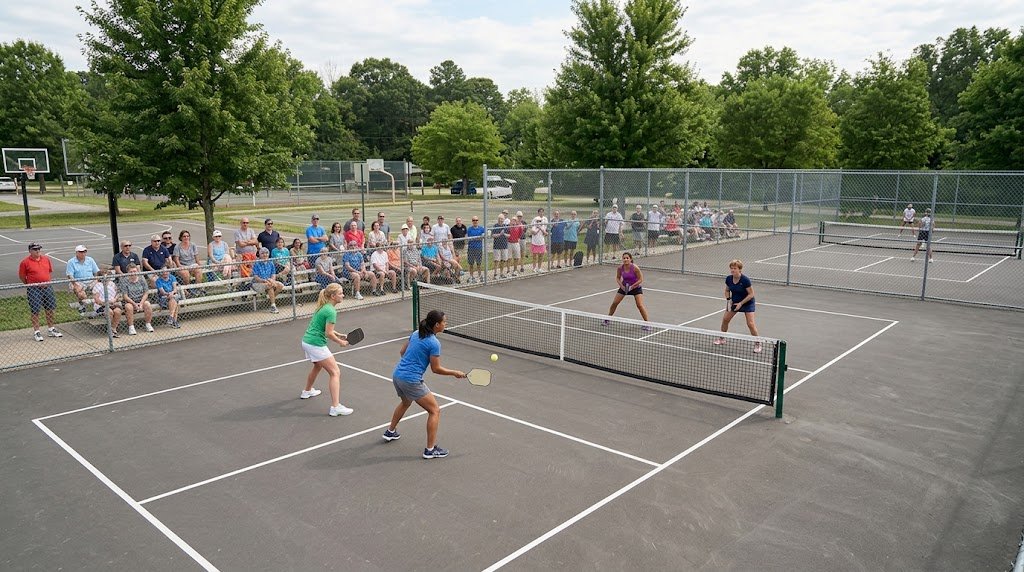
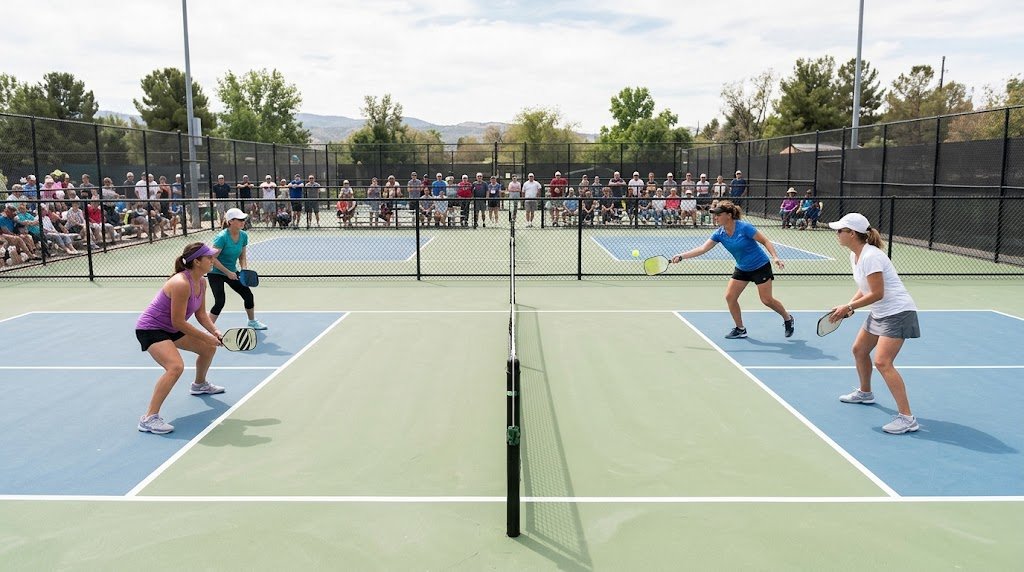
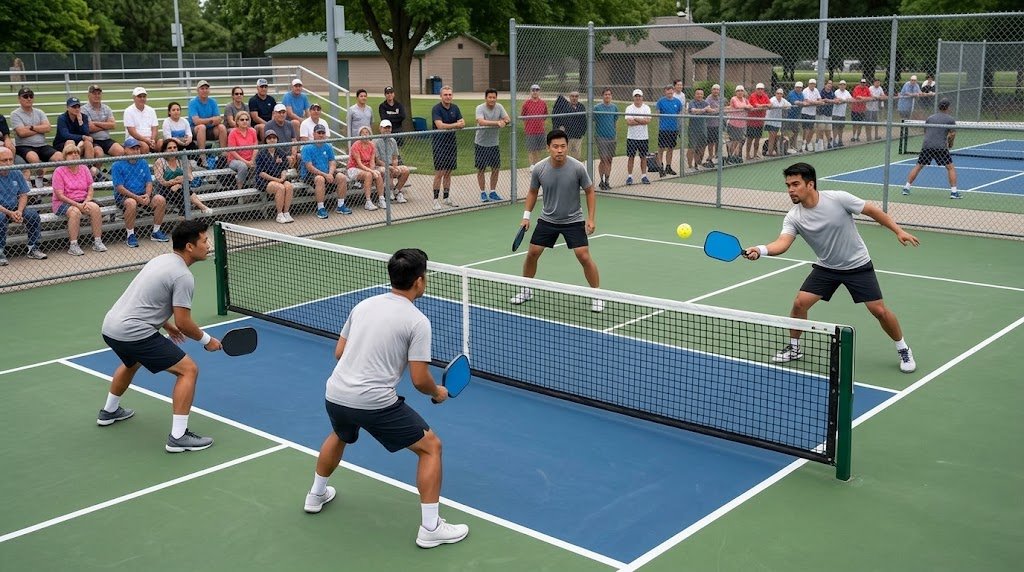
The heart of doubles strategy lives around the kitchen line, where teams look to establish themselves as early as possible after the return. Controlling the non-volley line means hovering just behind the kitchen boundary, ready to step in for dinks or backpedal for drives. Volleys hit from inside the kitchen—before the ball has cleared the zone—are a fault, so smart pairs stay disciplined and avoid crowding the zone prematurely.
Dinks, Faults, and Out-of-Bounds Discipline
The dink rally is where matches are often won. Soft, controlled shots that land just past the net force opponents to reach or pop the ball up. A single misjudged dink can drift out of bounds or into the net, gifting a free point. Likewise, foot faults at the baseline or volleys struck while standing inside the kitchen turn easy-looking points into instant losses on a technicality.
What the Score Says About Game Flow
An 11–5 result suggests the winners found their rhythm quickly and never looked back. In a single-game format, there is no second chance to correct a slow start, so the pair that locks in first usually carries that confidence through to the final point. The gap in pre-match ratings—Nguyen and Tran sitting comfortably above their opponents—aligns with how decisively they took control.
Doubles success often comes down to chemistry and communication as much as individual skill. Partners who move well together, cover gaps silently, and trust each other's shots tend to outlast pairs still finding their timing.
While six points is hardly a blowout, in the compressed world of an 11-point game it represents a healthy buffer. It’s the kind of margin that lets a team breathe, experiment, and still walk away with the win.
For Hung Nguyen and Kristoffer Arym Cruz, this result serves as a reminder of how quickly matches can slip away when the better-rated team imposes its game plan. That’s not a reflection of failure so much as the reality of competing against seasoned opponents in form.
Ultimately, this victory belonged to Nguyen and Tran not because they were flawless, but because they were consistently sharper when it mattered most. In pickleball, as in any sport, commanding results often come from steady execution rather than spectacular heroics.