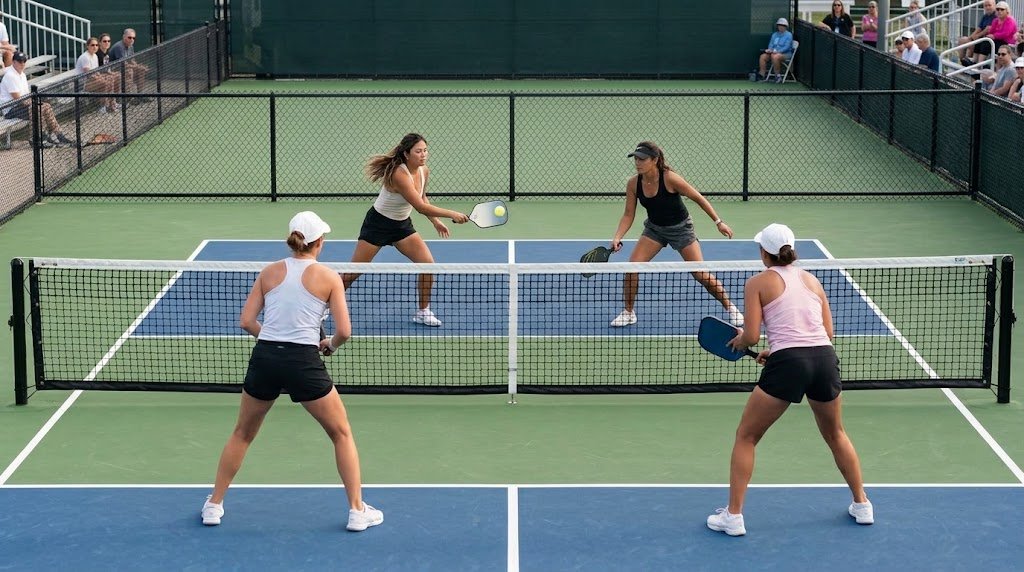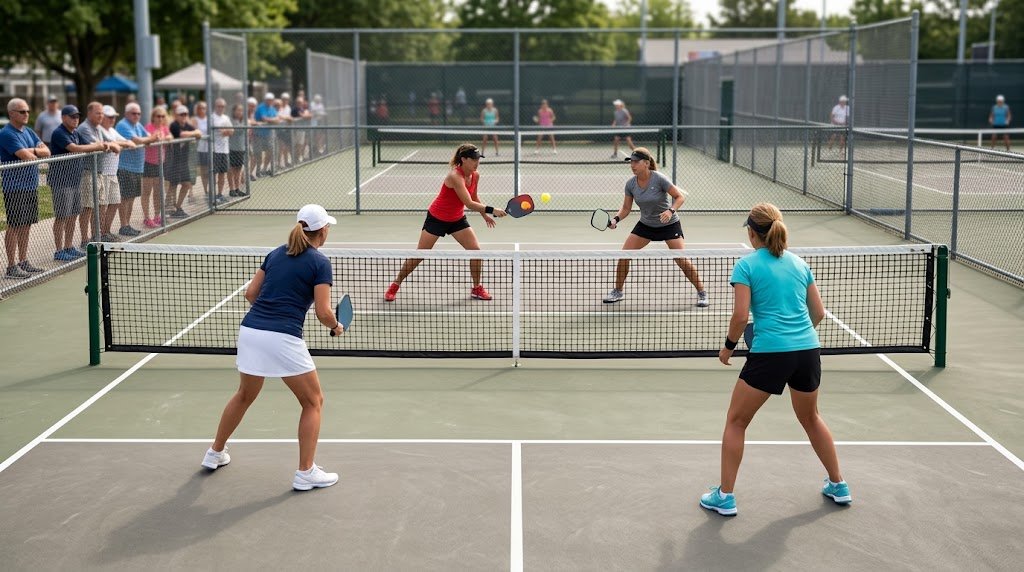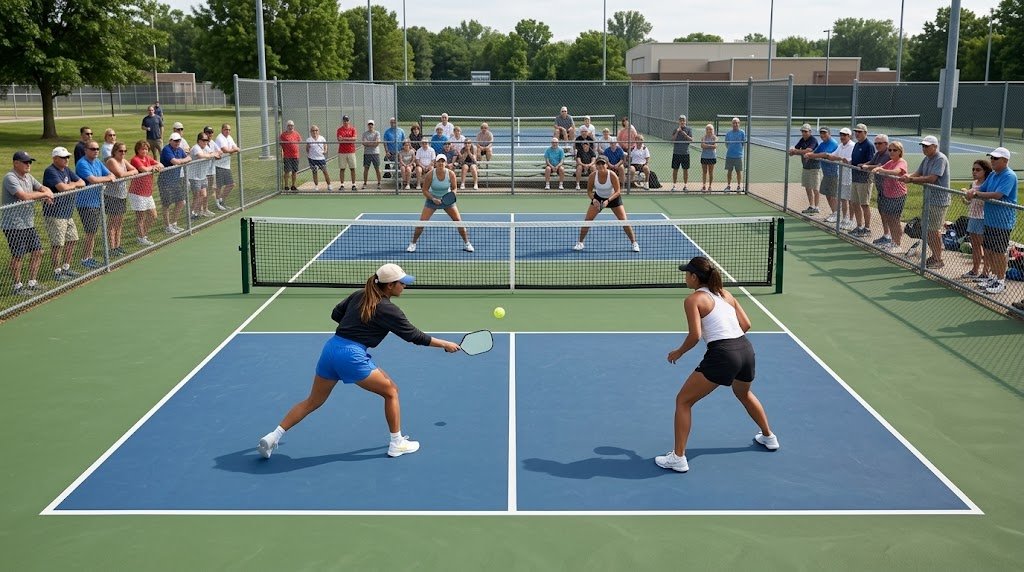

On the afternoon of September 20, 2026, Carina De Castro and Aina Powers marched through the Women's 3.0-3.49 Doubles bracket with a commanding straight‑games result, 11–9 and 11–0, over Ethel Poire and Diane Salcedo Balding. The first game stayed competitive, but the second was a clean statement — a 2‑game sweep that left the scoreboard reading like a closing argument. The result is recorded as 11–9, 11–0; what it shows is control, not chaos. The winning pair combined pre‑match ratings of 6.097 against a baseline of 5.716 for the losers, a gap that framed expectations without predetermining the afternoon. Pre‑match ratings are a snapshot of where the players stood before play, not a verdict on what happened on the court.
The First Game: Grinding Through the 9‑Point Window
Game one told a different story. De Castro and Powers had to work for every point, surviving a 11–9 battle that never really broke open. Against opponents rated just a whisker behind, the margin stayed tight until the late stages, when the winners’ hands steadied and the pressure shifted. The 9 points conceded tell you the losers stayed in the fight, not that the winners were loose. In doubles, holding serve‑like rhythm while your partner covers the middle is the small craft that keeps the bigger waves from swallowing you. That first game was the kind of tension that makes you check the clock twice.
The Second Game: A Shutout That Spoke Volumes
Then came the 11–0 run. This was not a mercy dash; it was a deliberate, machine‑like reset. The winning pair tightened their positions, kept the ball deep, and refused to gift easy chances. A shutout like that is less about the opponent missing and more about the winners refusing to miss. In pickleball terms, it is the difference between a high‑risk scramble and a disciplined, low‑error patrol of the court. The second game turned a two‑game win into a statement: 11–9, 11‑0, straight sets, no drama at the end.
Kitchen Positioning, Dinks and the Risk Zone
A general note on kitchen tactics: controlling the non‑volley line means standing close enough to punch put‑aways but not so far that you surrender the middle. Dinks are finesse tools, not lottery tickets — they work when you keep them low and directional, not when you fling them at the net tape. Faults happen when a player steps on or over the line during a volley, and out‑of‑bounds risk climbs when the angle gets narrow and the opponent is already leaning. These are universal patterns, not calls on this match; the recorded score does not list rallies or faults, so treat the analysis as conditional, not eyewitness.
Closing Perspective: A Sweep That Means Something
De Castro and Powers walked away with a straight‑game win, a 2‑0 edge that tells you who owned the tempo. The 2‑point first‑game margin proved they could absorb pressure; the 11‑0 second game proved they could end it on their terms. Pre‑match ratings framed the matchup, but the result framed the day. In doubles, the math is simple: two strong players moving as one unit can turn a tight opener into a runaway closeout. No venue is confirmed, no future opponents are known, and no post‑match gossip is attached — just the clean record of an 11–9, 11–0 sweep in the Women's 3.0-3.49 Doubles bracket.