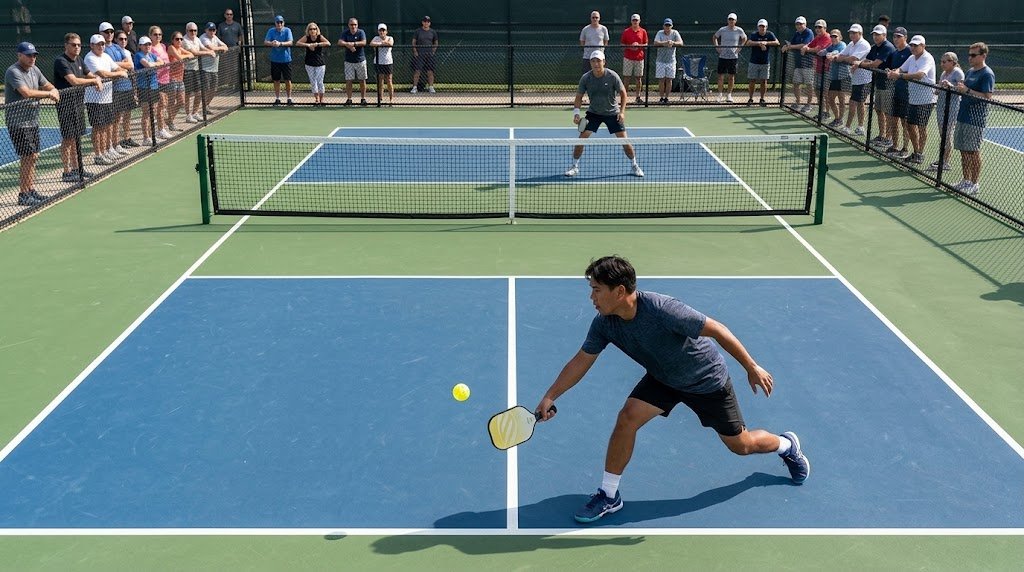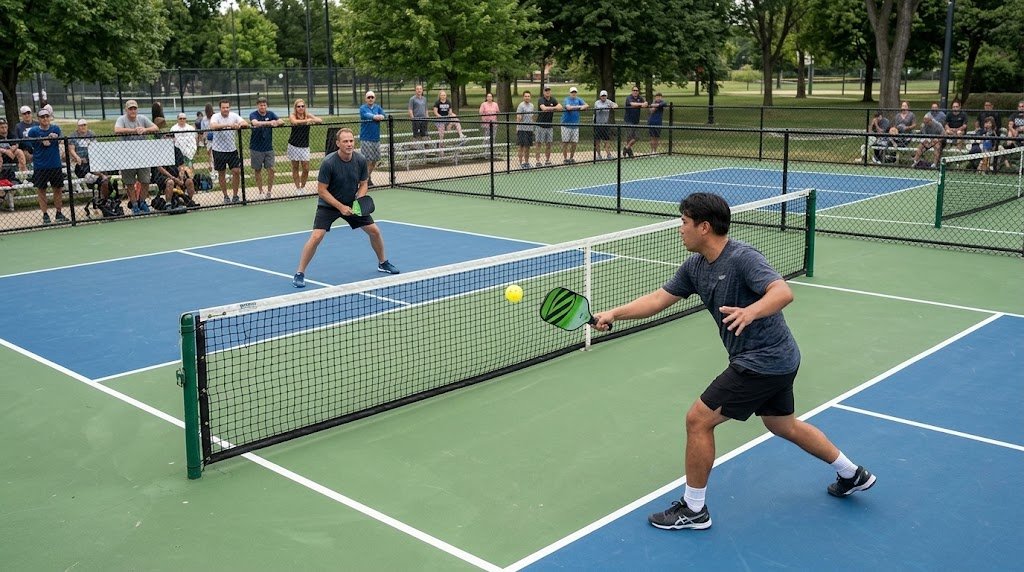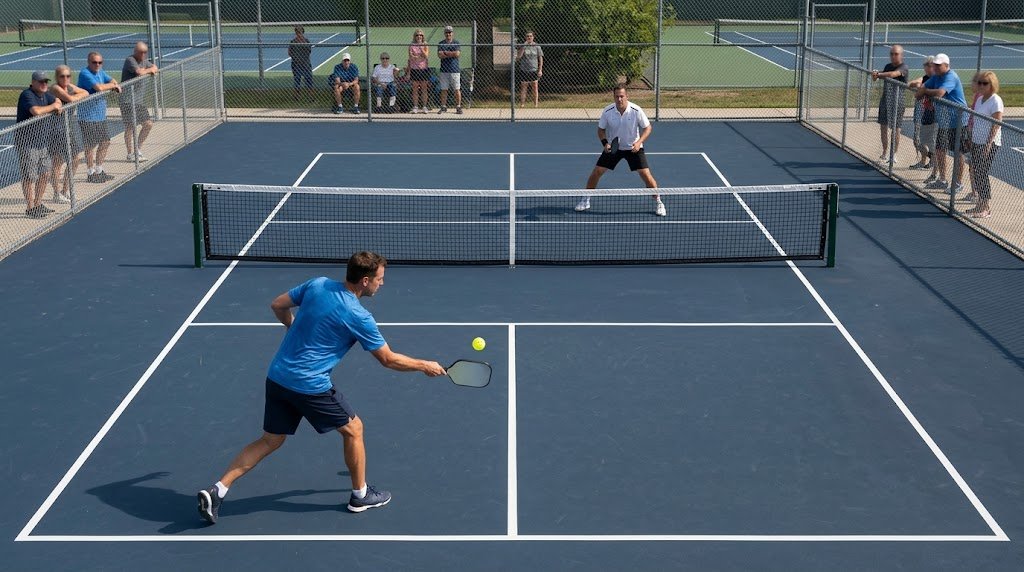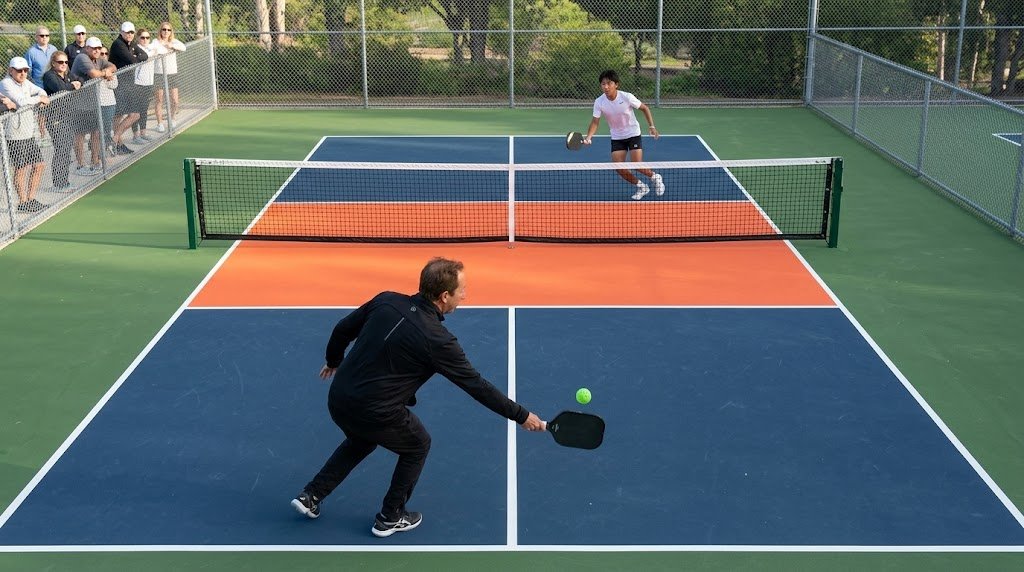


Leon Esmas announced his arrival on the $30,000 Proton National Tour with a commanding 15–4 victory over Larry Casas in the Men’s Singles Challenger bracket in Corona. The win wasn’t just a statement — it was a clinic in precision, pace, and positional discipline. From the first serve, Esmas dictated the rhythm, blending aggressive third-shot drives with soft, unreturnable dinks that kept Casas perpetually off-balance. The scoreline reflects a performance where control mattered more than flash, and Esmas delivered it with quiet authority.
A Rating Edge That Translated to the Court
Going into the match, Esmas held a slight pre-match rating edge at 4.111 compared to Casas’s 4.025 — a difference that proved meaningful in execution. While ratings are a snapshot, not a prophecy, they often reflect consistency in shot selection and error minimization. Esmas appeared to leverage that stability, forcing Casas into difficult positions early and often. The Californian challenger, though skilled, struggled to find rhythm against an opponent who mixed pace with patience, never allowing Casas to settle into a comfortable baseline exchange.
Controlling the Kitchen Without Stepping Over
One of the hallmarks of Esmas’s game was his command of the non-volley zone line — a critical area where points are won and lost. He maintained strong positioning, ready to volley or reset with a soft dink, all while respecting the kitchen boundary. The difference between controlling the line and volleying illegally inside it is subtle but vital: leaning in to cut off an angle is legal; stepping across the line before the ball bounces is a fault. Esmas hovered just behind the line, inviting Casas to lift — and punishing those attempts with either a put-away volley or a dink that died in the kitchen.
General Pickleball Insights: Positioning, Dinks, and Risk
This match offered a clear illustration of why kitchen discipline separates contenders from also-rans. Holding the non-volley line allows a player to take time away from opponents, turning defense into offense with a single step forward. Conversely, overreaching invites faults or pop-ups that get crushed. Dinks, when executed with depth and placement, neutralize power and create openings — but they carry out-of-bounds risk if pushed too wide or too short. Esmas minimized those risks by keeping his dinks low and central, making Casas play extra shots just to stay in the point.
What the Score Tells Us
The 11-point margin wasn’t built on a single dominant game — it was the result of sustained pressure across one decisive frame. Esmas didn’t need multiple sets to make his point; the 15–4 scoreline reflects a match where he won the majority of rallies, minimized unforced errors, and converted break opportunities. There’s no need to invent drama where the score already speaks: this was a statement win, not a nail-biter, and it carried the weight of a player who came to dominate.
Looking ahead, Esmas’s performance suggests he’s not just participating in the Proton Tour — he’s aiming to shape it. For Casas, the match offers a clear lesson: even small gaps in rating can widen fast when faced with a player who controls the kitchen, varies tempo, and makes you earn every point. In pickleball, as in life, the smallest edges often decide the outcome — and on this day, Esmas had them all.