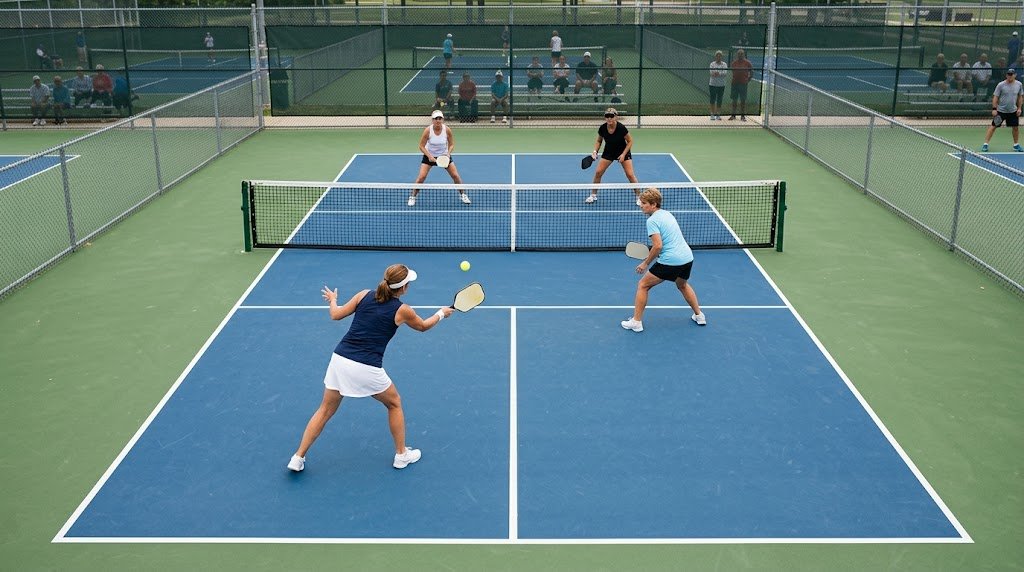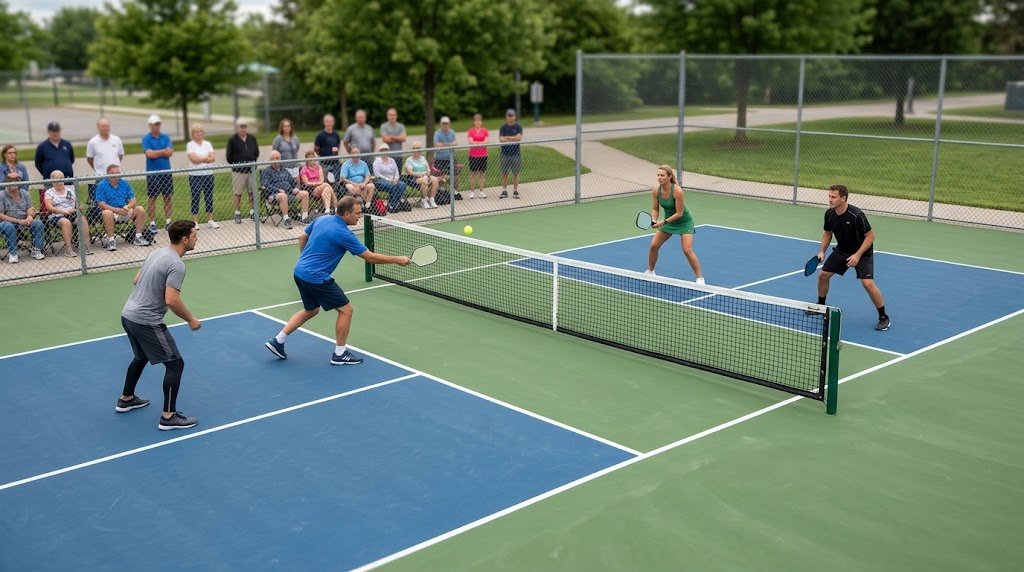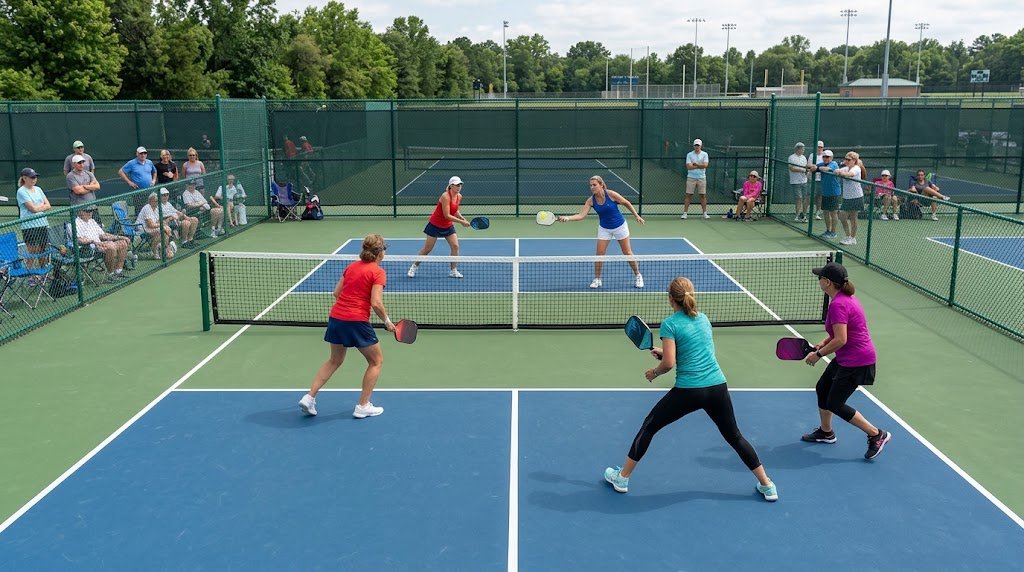

Matchday 1 of the Women’s 3.5 doubles draw offered a clear signal of intent as Margaret Lupin and Jennifer Beckner secured a straight-games victory over Suzi Dossey and Lisa Anne Poshard. The final score of 11–8 stands as a testament to consistent execution from the winning pair, who navigated the pressure of a decisive match with composed fundamentals. In a category where margins often fluctuate and rotations shift constantly, this result underscores the importance of steady rhythm and tactical patience.
Ratings and Readings
Heading into this contest, pre-match ratings provided a snapshot of the relative standing between the two doubles teams. Suzi Dossey entered with a rating of 3.478, while her partner Lisa Anne Poshard was rated at 3.112. On the other side of the net, Margaret Lupin came in at 2.869, and Jennifer Beckner at 3.297. These figures serve as a baseline for expectations, highlighting a pairing that blends different skill metrics. It is important to remember that these are not current ratings, nor are they definitive predictors of future standings. Rather, they act as a static reference point before the first serve was tossed. The outcome of 11–8 reflects how well the winning pair managed their energy and focus throughout the single recorded game, delivering a result that moved them forward in their bracket with confidence.
The Architecture of the Game
This match serves as an excellent lens through which to examine the fundamental geometry of pickleball strategy. While the source data does not detail specific rallies or individual faults, the scoreline invites a broader discussion on how teams gain control of the court. Success in doubles is frequently about the ratio of dinks to drives. Players who can maintain consistent dinking patterns near the net force opponents into hitting upward, which reduces the risk of unforced errors. This general principle applies regardless of the specific players involved. A team that commits to soft, controlled shots minimizes the chance of sending balls out of bounds, whereas aggressive approaches carry a higher penalty for minor mistakes. In a close bracket, these incremental advantages accumulate, often tipping the balance in a single game like this one.
Kitchen Discipline and the Non-Volley Line
A critical element of any pickleball analysis is the understanding of the kitchen, or the non-volley zone. This seven-foot area on both sides of the net is governed by specific rules that define where a player can stand and how they can interact with the ball. Controlling the non-volley line means establishing a position where you are ready to transition into the kitchen with a dink or a soft approach shot. However, it is vital to distinguish between managing the area and violating its restrictions. A player may stand in the kitchen, but they cannot volley a ball while their feet are touching or overlapping that zone. This rule prevents dominance through proximity alone. In general play, the tension between wanting to move forward and needing to wait for the right moment to cross the line is a constant tactical battle. Teams that understand this boundary—knowing when to hold back and when to advance—often find that their opponents are forced to make defensive errors, which can be the difference between winning and losing a tight match. The 11–8 result suggests the winning pair likely managed these transitions effectively, maintaining structural integrity without overreaching.
Looking Forward
This victory marks a significant step for Lupin and Beckner in their early stages of competition. The 11–8 score is not just a number; it represents a complete unit working in harmony. For Dossey and Poshard, the experience provides valuable data on where adjustments are needed as they continue their tournament journey. In the unpredictable world of pickleball, where a single point can shift momentum, the ability to maintain consistency across a full game is a hallmark of competitive readiness. As the draw progresses, we will see if this display of composure holds up against varied styles and competitive intensities. For now, this result stands as a confident declaration that Lupin and Beckner are ready to contend in the Women’s 3.5 field, leaving behind a result that is both clear and effective.