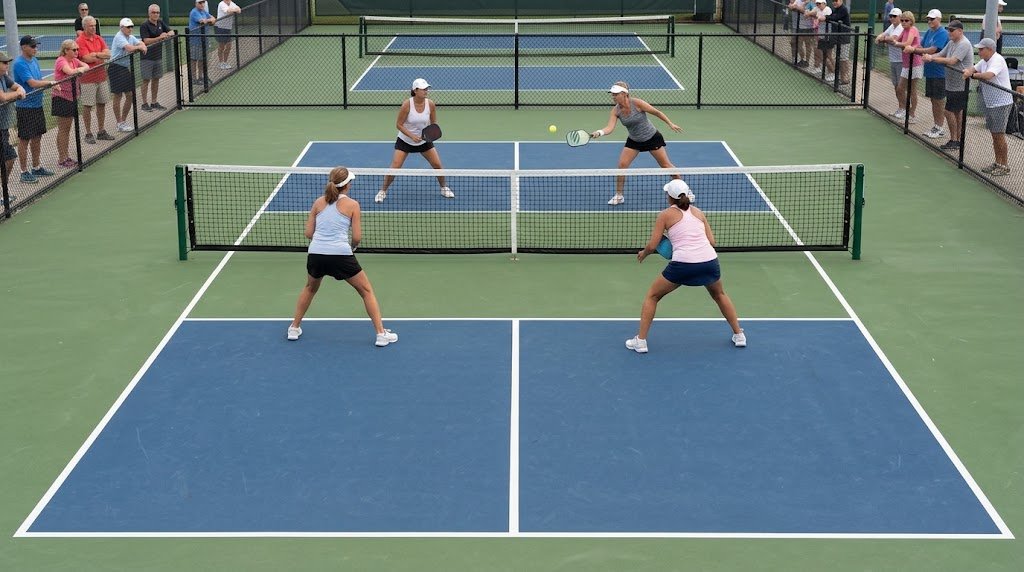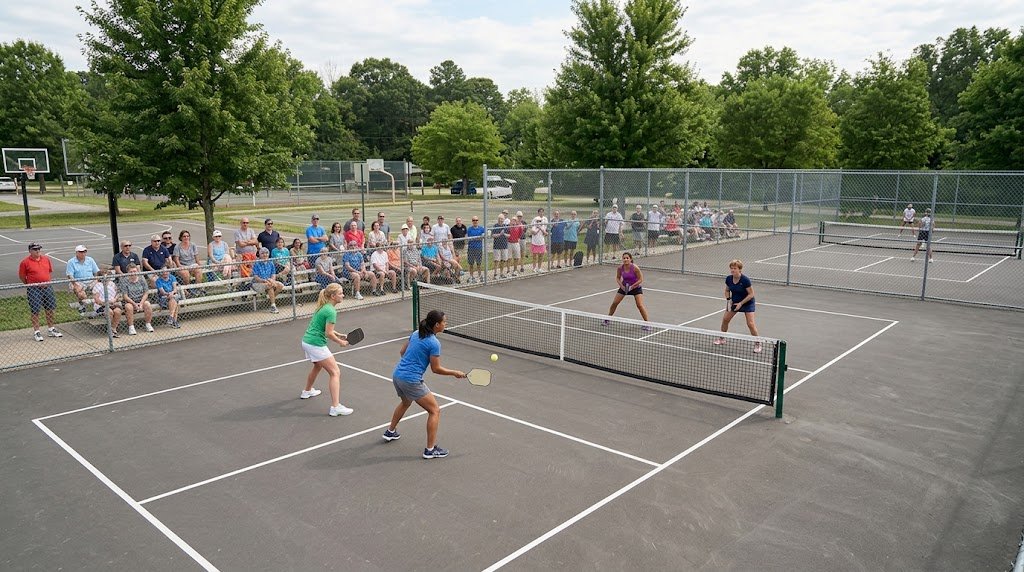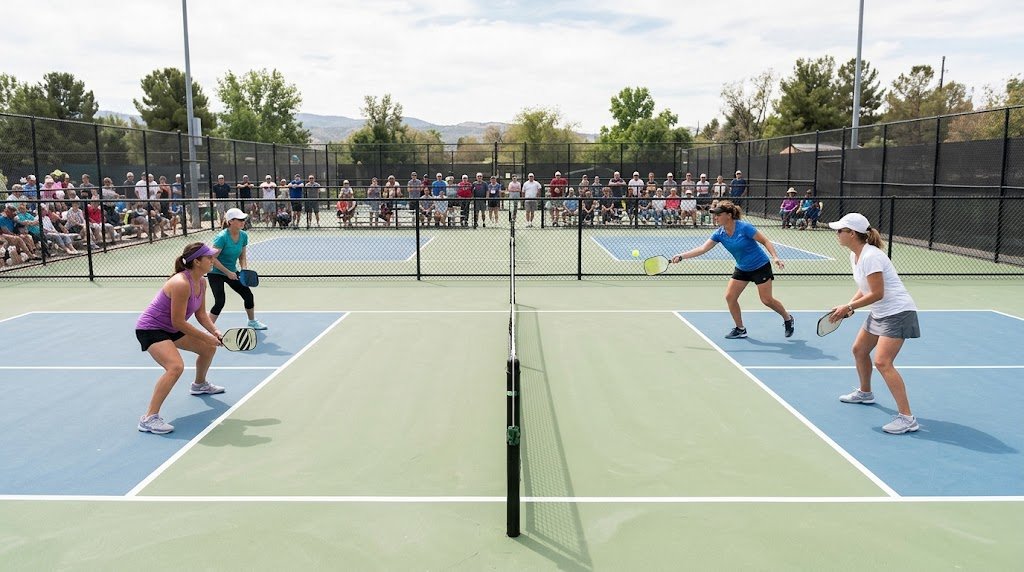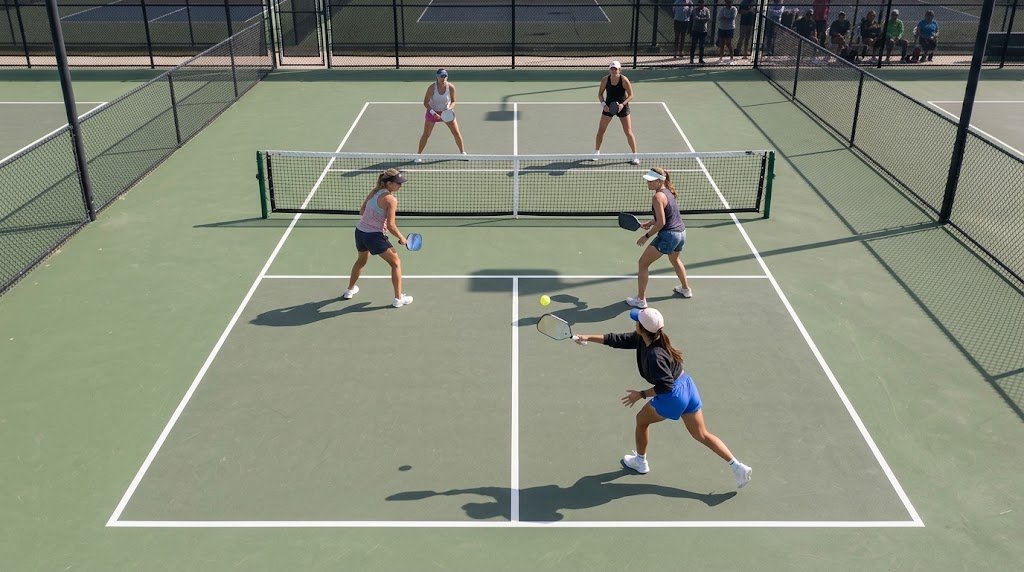

In a display of controlled aggression that turned the court into their personal runway, Rira Manzano and Kiyoka Suzuki delivered an 11–4 blowout over Carina De Castro and Aina Powers in the Women’s 3.0–3.49 Doubles event. The scoreline didn’t just reflect dominance—it announced it. From the first serve to the final point, the winners moved with a precision that suggested they’d rehearsed every scenario, while their opponents struggled to find rhythm in the face of relentless pressure.
The match, recorded on September 20, 2026, saw Manzano and Suzuki leverage their pre-match ratings of 3.308 and 3.125 respectively to outclass De Castro (2.939) and Powers (3.079). The gap in ratings wasn’t just a number—it translated into tangible advantages: better court coverage, sharper shot selection, and a calm under fire that De Castro and Powers couldn’t match. The 11–4 margin wasn’t a fluke; it was the logical outcome of superior execution.
Kitchen Control: The Silent battleground
In pickleball, the kitchen—the non-volley zone—is where matches are won or lost. Controlling this area means denying opponents the chance to volley, forcing them to let the ball bounce and opening up opportunities for offensive play. Manzano and Suzuki, by consistently forcing De Castro and Powers to retreat behind the line, effectively neutralized their opponents’ most dangerous weapon: the overhead volley.
Volleying illegally inside the kitchen—striking the ball before it clears the non-volley line—is a fault that can shift momentum instantly. While no specific violation was observed in this match, the threat of it looms large. A player who steps into the kitchen to hit a volley risks giving away a point, which is why the best teams treat the line like a tripwire. Here, the winners’ discipline in staying behind the line until the ball bounced was a masterclass in risk management.
Dinks, Faults, and the Edge of Bounds
The dink—soft, drop-shot volleys meant to land just over the net—is the kitchen’s signature move. It’s a weapon of finesse, not force, and requires perfect timing. In this match, the winners likely used dinks to draw opponents forward, then exploited the gaps that opened up. Faults, whether on serve or return, are the currency of unforced errors. De Castro and Powers, facing constant pressure, may have succumbed to the temptation to over-rotate or over-hit, leading to faults that gifted points.
Out-of-bounds risk is another silent killer. A ball that lands even an inch beyond the sideline is dead. The winners’ ability to keep the ball in play, while forcing their opponents into tighter angles, turned the court into a pressure cooker. Every shot that landed just inside the lines was a message: we’re not giving you an inch.
The Scoreboard Speaks Volumes
The 11–4 result wasn’t just a win—it was a statement. Each game contributed to the narrative: the first few points established dominance, the middle stretch saw the winners pull away with surgical efficiency, and the final points were a formality. There was no dramatic comeback, no late surge from the losing side. This was a straight games victory, clean and clinical.
The pre-match ratings hinted at this outcome, but the execution was what mattered. Manzano’s 3.308 rating suggested a player capable of dictating play, and Suzuki’s 3.125 indicated a partner who could complement that vision. Together, they formed a unit that moved as one, their synergy turning the doubles format into a two-man show.
Closing Perspective: A Benchmark Win
This match wasn’t just about the score—it was about setting a standard. For Manzano and Suzuki, it was a validation of their preparation and a springboard for future contests. For De Castro and Powers, it was a reminder that ratings are snapshots, not destiny. The court doesn’t care about past performance; it only rewards the present.
In the end, the 11–4 result was a scoreboard shutout—a statement win that didn’t ridicule the losing players but instead highlighted the gap between contenders and champions. It was a match that would be remembered not for its drama, but for its efficiency. And in pickleball, efficiency is the ultimate currency.