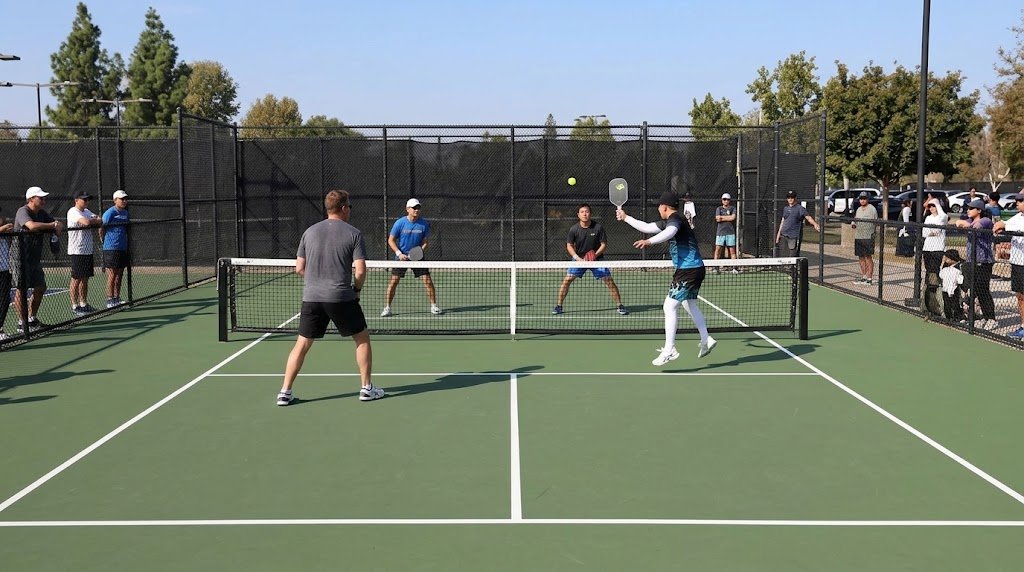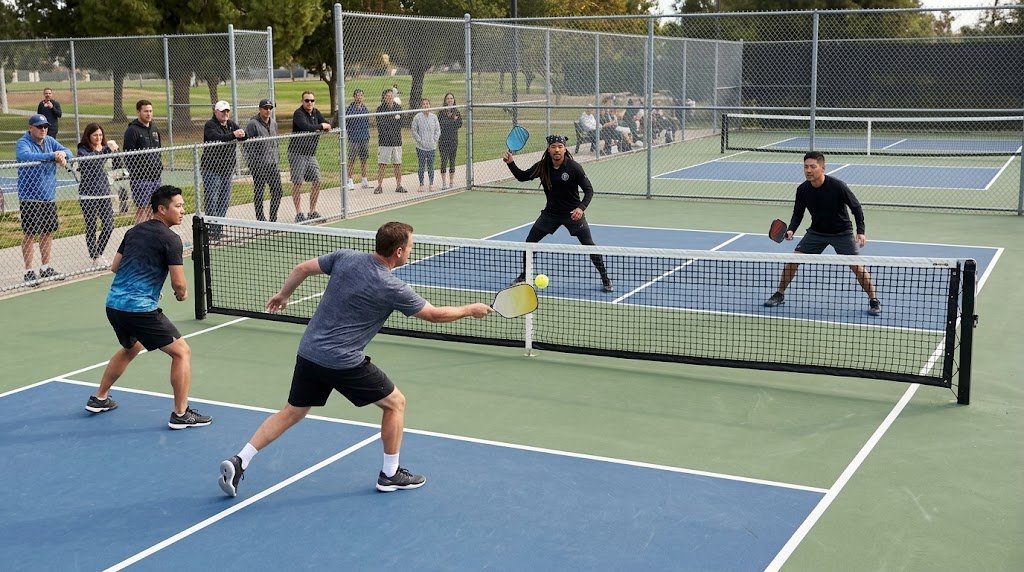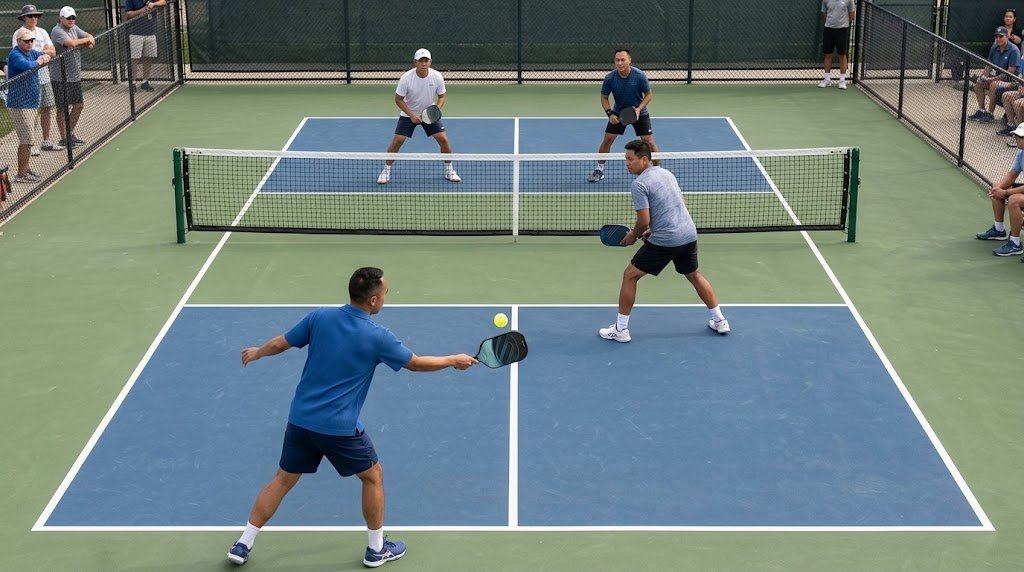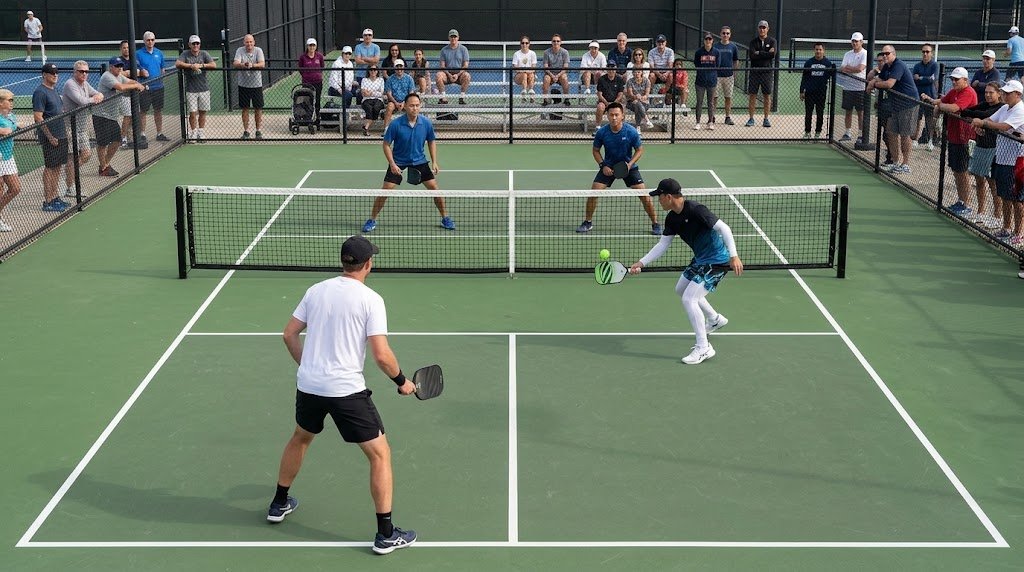


In a commanding display of precision and poise, Mark Garcia and Andrew Nguyen delivered a textbook doubles performance on September 20, 2026, shutting down Prija Phaphouampheng and Arin McGunigle with a decisive 11–5 scoreline in the Men's 3.5-3.99 Doubles event. The match, though brief, was a masterclass in court positioning, shot selection, and relentless pressure — the kind of win that echoes through the bracket and sends a clear message: this pair is not here to participate, they’re here to dominate.
From the first serve, Garcia and Nguyen moved with synchronized intent. Their pre-match ratings — 3.447 and 3.684 respectively — suggested a team built on complementary strengths: Garcia’s steady baseline presence and Nguyen’s aggressive net play. Together, they turned the court into a chessboard, each movement calculated, each shot aimed at exploiting the gaps in their opponents’ defense.
The Kitchen: Where Control Meets Risk
In pickleball, the kitchen — the non-volley zone — is both a sanctuary and a trap. Controlling the line just behind it allows players to dictate pace while avoiding the illegal volley zone. Garcia and Nguyen understood this implicitly. By anchoring themselves near the non-volley line, they forced their opponents into difficult decisions: attack from deep and risk a weak reply, or retreat and cede control. The result was a cascade of forced errors and half-hearted attempts that never found their rhythm.
Dinks, those delicate touch shots meant to land just over the net, were likely their weapon of choice. A well-placed dink can draw a player forward, only to leave them exposed to a cross-court volley. But dinks are also high-risk: a mistimed strike can land short and invite a smash, or drift out of bounds under pressure. The margin for error is razor-thin, and Garcia and Nguyen navigated it with surgical calm.
Faults and out-of-bounds calls are the silent assassins of momentum. A single double fault can shift the tide; a misjudged sideline can gift a point to the opponent. In this match, the winners’ consistency in avoiding such mistakes — whether through disciplined serve placement or conservative shot selection — was the unspoken backbone of their victory.
The Scoreline Speaks Volumes
An 11–5 result is not just a win — it’s a scoreboard shutout. It tells a story of sustained pressure, of opponents unable to find their footing, of a team that never allowed the match to slip into chaos. Each point contributed to the narrative: early leads built confidence, mid-game pressure maintained dominance, and the final stretch sealed the outcome without drama.
Phaphouampheng (3.131) and McGunigle (3.612) brought talent to the court — McGunigle’s rating hints at a player capable of high-level play — but they were outmatched in execution. The gap between potential and performance was never wider than in this encounter. The loss is not a reflection of skill alone, but of the chess match that doubles pickleball becomes when facing a team that moves as one.
What This Win Means
This straight-game victory is more than a score — it’s a statement. Garcia and Nguyen didn’t just win; they controlled every phase of play. Their synergy, honed through countless hours on the court, translated into a performance that felt inevitable. For the losing side, it’s a reminder that ratings are snapshots, not destinies — and that on any given day, the team that moves as a unit will always have the edge.
As the tournament progresses, this result will linger in the minds of competitors. It sets a benchmark: to beat Garcia and Nguyen, you’ll need more than talent — you’ll need flawless coordination, unshakable nerves, and a willingness to risk everything on every point. For now, the court belongs to the duo who turned the kitchen into their fortress and the scoreboard into their signature.