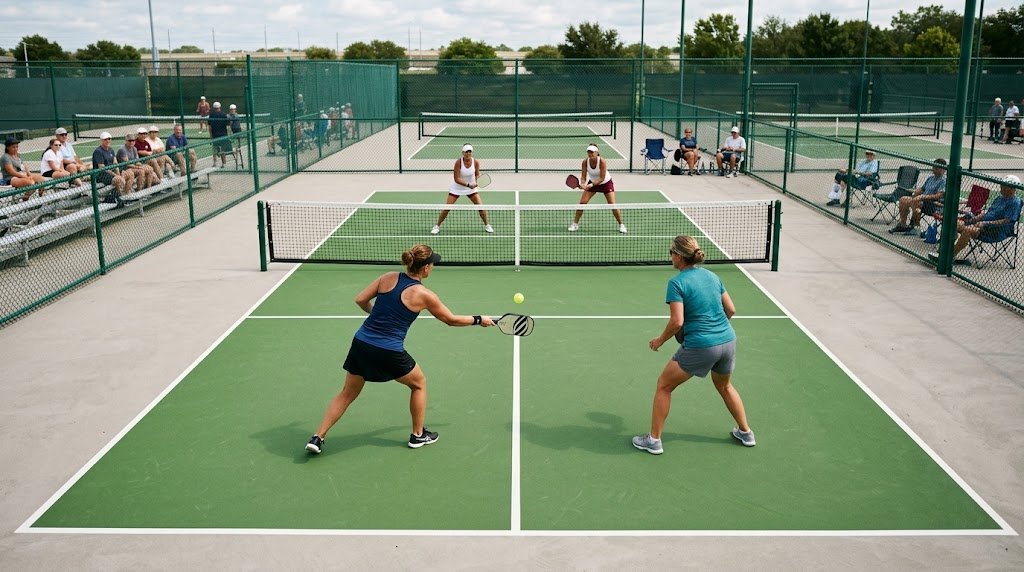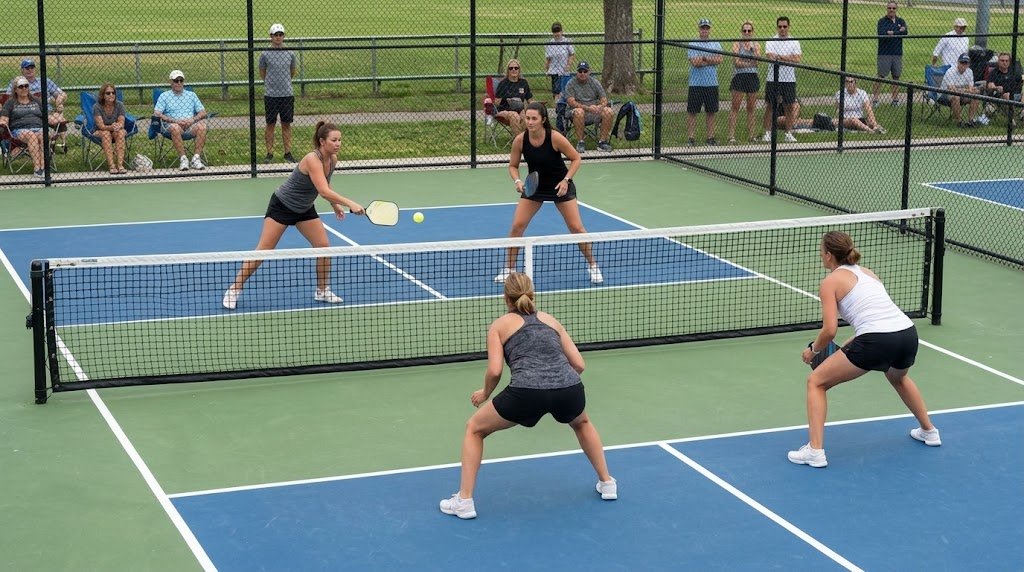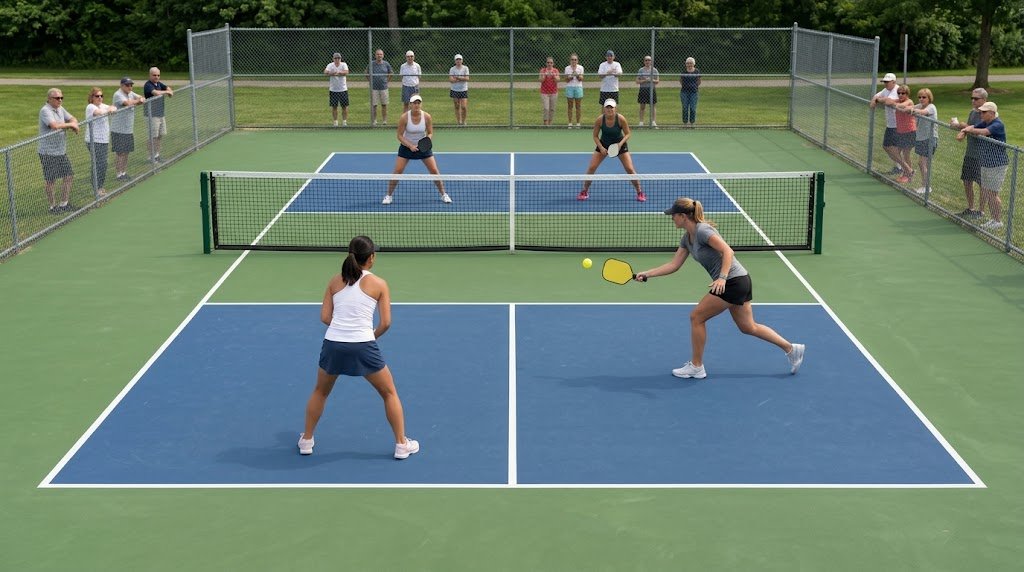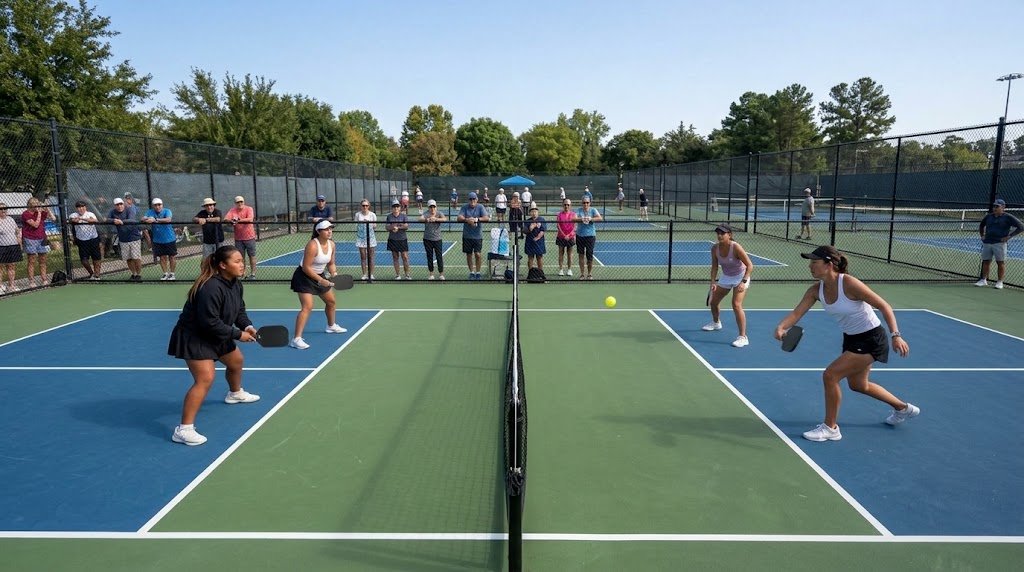

Mary Navalta and Iris Pagarigan rolled through Women’s 3.50-3.99 Doubles with a commanding 11–4 straight-sets victory over Kelly Ree and chris hsieh. The result put the winning pair firmly in control from the opening serve, with the scoreline reflecting a clear edge in tempo and court position rather than a tight tussle. Playing with the confidence of a well-rehearsed unit, Navalta and Pagarigan turned their pre-match ratings into early momentum and never looked back.
Ratings Snapshot and the Shape of the Match
The pre-match ratings framed the matchup before a single ball was struck. Navalta carried a 3.502 rating and Pagarigan a 3.602 rating, while Ree was rated at 2.657 and hsieh at 2.898. That spread gave the winning duo a comfortable baseline for expectation, and the 11–4 margin aligned with the projected gap. It is important to remember that pre-match ratings are a snapshot, not a prediction of future changes, and they say nothing about how the players may move the needle after this result. Each game added context rather than surprise: the heavier-hitting side stayed ahead of the curve, while the losing pair struggled to shift the rhythm in their favor.
Kitchen Control and the Dink Debate
A big part of the difference between the teams boiled down to net presence and dink construction. Controlling the non-volley line means occupying the area just behind the kitchen, where players can apply pressure with soft shots without technically entering the zone. Volleying illegally inside the kitchen, by contrast, means making contact with the ball while any part of the body or paddle is over the line during a volley, which is a distinct infraction. Navalta and Pagarigan appeared to master the former, keeping their weight just where they wanted it while firing back dinks that pinned Ree and hsieh behind the baseline. The general lesson for any doubles pairing is to respect the seven-foot zone, use your legs to adjust position, and avoid reaching over the line to punch balls at knee height.
Fault Discipline and Out-of-Bounds Risk
Fault discipline is the silent engine of any pickleball performance, and the 11–4 score suggests Navalta and Pagarigan kept their service and return errors in check. Out-of-bounds risk becomes especially acute when players push pace from the net, as a wide forehand or a rushed backhand can hand a free point to the opposition. While the source does not record individual faults or rally details, the general principle remains clear: a single wide shot or foot fault can deflate momentum, so keeping the ball deep and the paddle up is essential. Ree and hsieh likely felt the pressure of having to chase every ball, which is often the cost of surrendering net control in a straight-sets loss.
What the Win Says
This straight-sets result is more than a simple scoreline. It is a statement win for Navalta and Pagarigan, who used their combined ratings and court sense to dictate play. For Ree and hsieh, the 11–4 loss is a reminder that pickleball punishes passive positioning and rewards teams that own the kitchen. The beauty of the sport lies in those small margins, and on this day, Navalta and Pagarigan took more of them than their opponents. With a commanding performance and a clear understanding of the game, the winning duo set a standard that others will be chasing on the circuit.