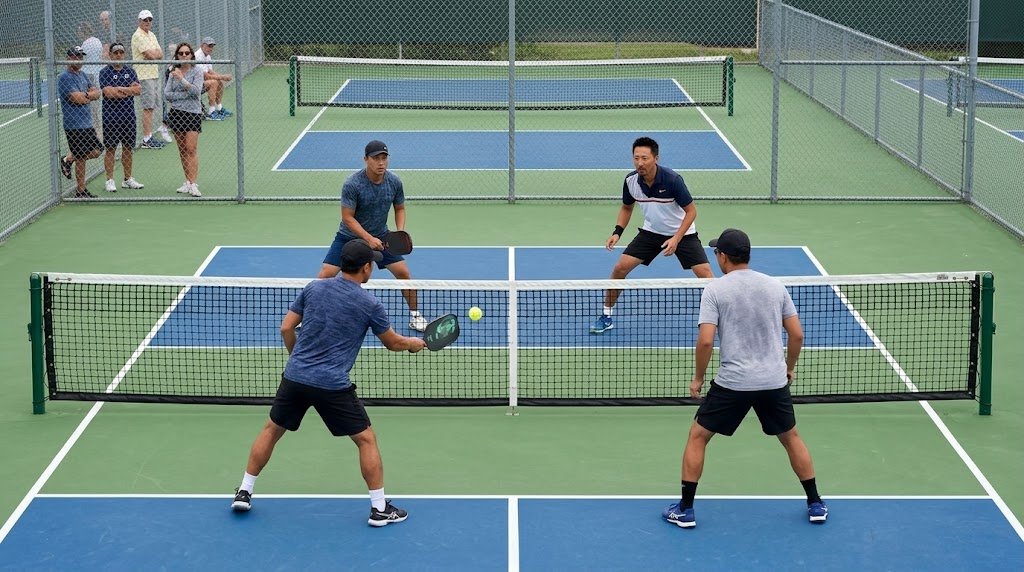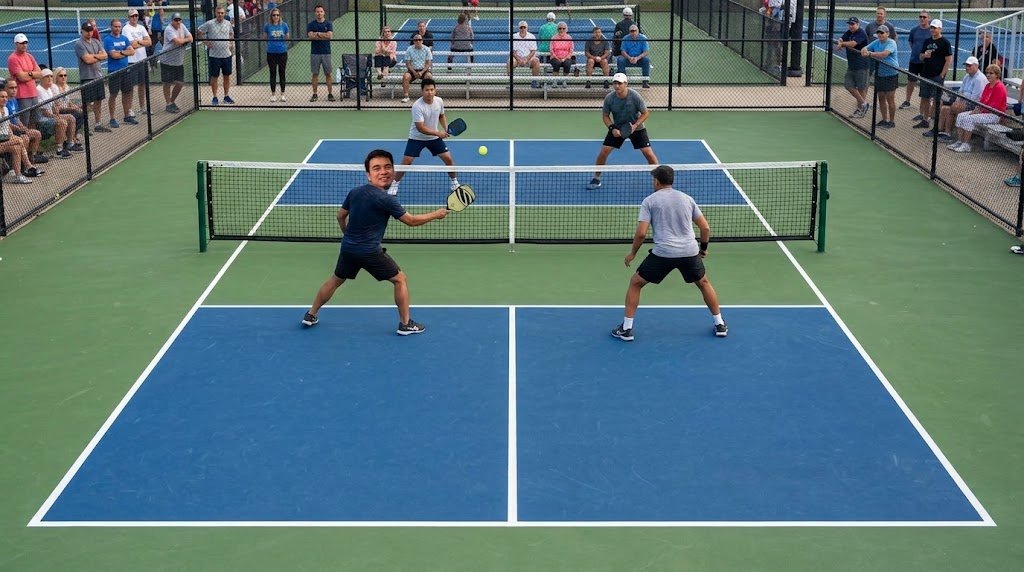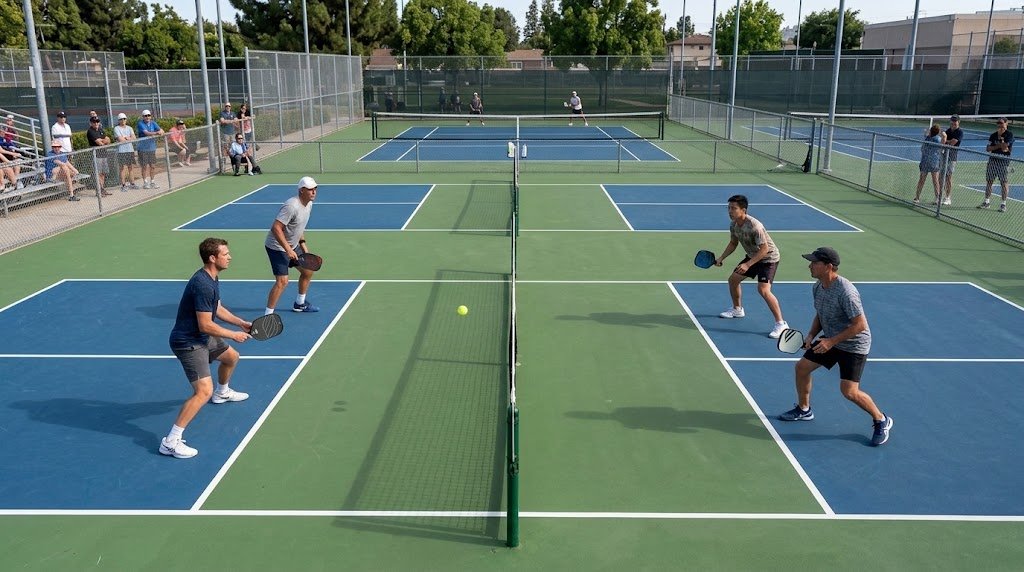

In a display of clinical precision and court command, John Ninh and Eric Truong delivered an 11–0 blowout over Trevor Tecson and Ryan Kim in the Men's 3.0–3.49 Doubles division on September 20, 2026. The scoreboard didn't just tilt—it snapped shut, turning what could have been a competitive clash into a one-sided masterclass. With every point earned through disciplined placement and aggressive net play, the winning duo turned the court into a fortress, leaving their opponents searching for answers and openings that never materialized.
The match unfolded like a perfectly executed game plan: no wasted motion, no hesitation, no mercy. Ninh and Truong, both sporting a pre-match rating of 2.379, entered the contest as underdogs on paper against Tecson and Kim’s 2.709 pairing. Yet from the first serve, they operated with the confidence of veterans who knew exactly where to stand, when to attack, and how to exploit every gap. Their synergy was evident—not just in their movement, but in their ability to anticipate each other’s shots before they were even struck.
The Kitchen: A Battle of Positioning and Patience
In pickleball, the kitchen—the non-volley zone—is where rallies are won or lost. Controlling this area means dictating the tempo, forcing opponents into difficult decisions. Ninh and Truong demonstrated a textbook understanding of kitchen positioning: staying just outside the non-volley line when preparing to volley, ensuring they never stepped into illegal territory while maintaining pressure. This subtle distinction—volleying from behind the line versus crossing into it illegally—is often the difference between a legal point and a fault. While no specific violation was observed or recorded, the general principle remains: players must respect the boundary, even when the urge to rush the net is strong.
Dinks, those soft, low shots meant to land just over the net, were likely the bread and butter of their strategy. A well-placed dink forces the opponent to lift, creating space for a partner to crash the kitchen or drive the ball deep. Faults—double faults, foot faults, or net touches—can derail even the most confident player, but in this case, the winners’ consistency suggests they avoided such pitfalls. Out-of-bounds risk is always present, especially on wide angles or deep drives, but Ninh and Truong’s shot selection appeared calculated to minimize error while maximizing disruption.
Scoreline Tells the Story
The 11–0 scoreline is not just a number—it’s a narrative. Each point contributed to a growing sense of inevitability. The first few points may have been hard-fought, but as the margin widened, the psychological weight on Tecson and Kim likely intensified. Every missed return, every forced error, every failed attempt to break the rhythm of the winners only reinforced the dominance on display. This was not a match decided by luck or fluke; it was a demonstration of superior court awareness, shot execution, and mental toughness.
The straight-game format meant no second chances, no recovery arc. There was no room for error, and the winners capitalized on every opportunity. Their ability to sustain intensity across the entire game—without letting up, without relaxing—speaks to their preparation and focus. It’s the kind of performance that doesn’t just win a match; it sends a message.
What It Means Moving Forward
For Ninh and Truong, this victory is more than a box score entry. It’s validation of their approach, their chemistry, and their ability to perform under pressure. While pre-match ratings are snapshots—not predictions or guarantees—this result suggests they may be undervalued in the competitive landscape. Their 2.379 rating, now potentially outdated, doesn’t reflect the dominance they just displayed.
For Tecson and Kim, the loss is humbling but not defining. A shutout like this is rare, but it’s also a data point—a reminder that ratings are fluid, that form shifts, and that every match is a chance to recalibrate. The key is to analyze what went wrong: Was it serve placement? Net play? Communication under pressure? Without specific rally data, we can only infer, but the outcome is clear: on this day, the court belonged to the team that played with purpose.
In the end, pickleball is as much about mindset as it is about skill. Ninh and Truong didn’t just win—they controlled the narrative, the tempo, and the space. And in a sport where inches and milliseconds matter, that kind of command is rare, refreshing, and worth remembering.