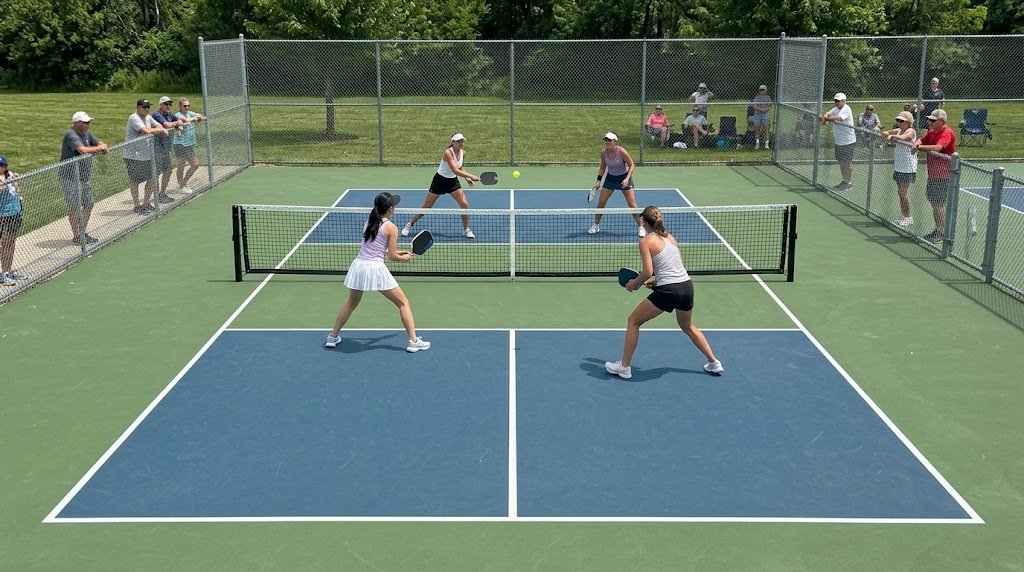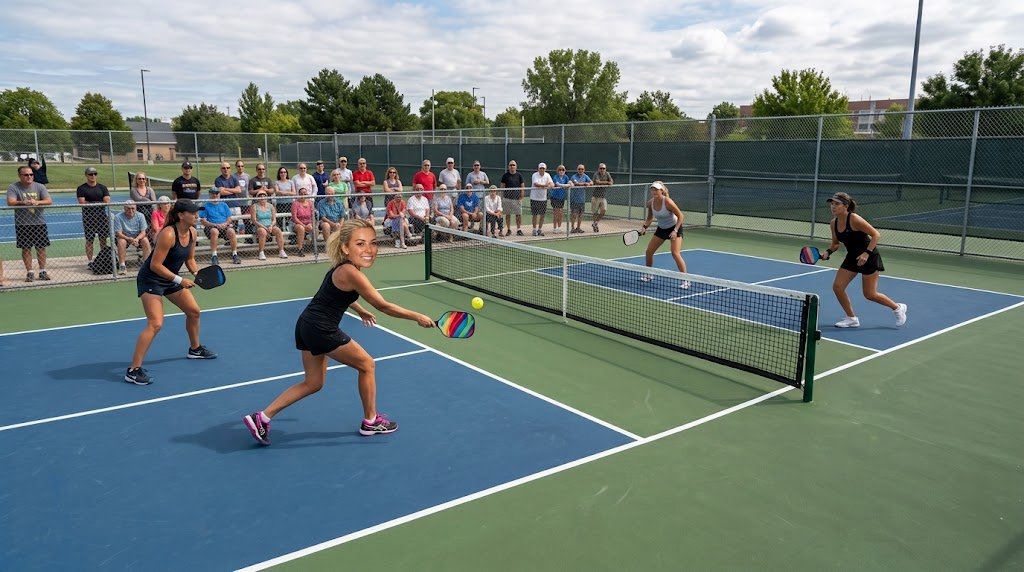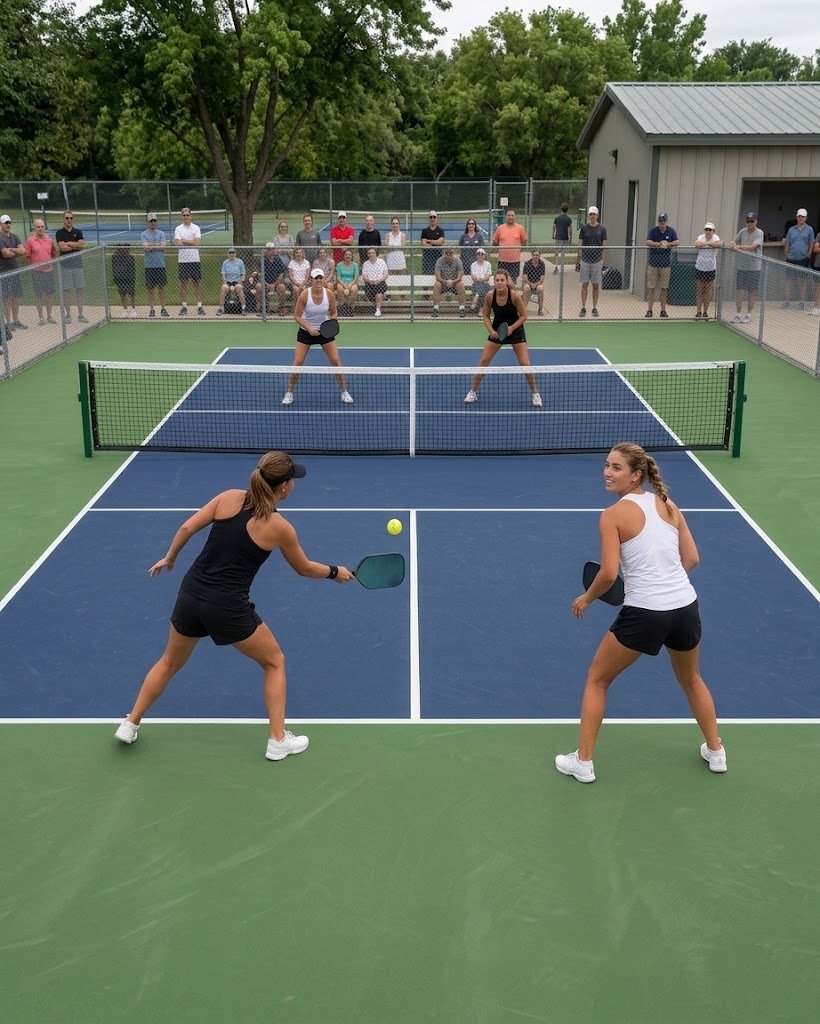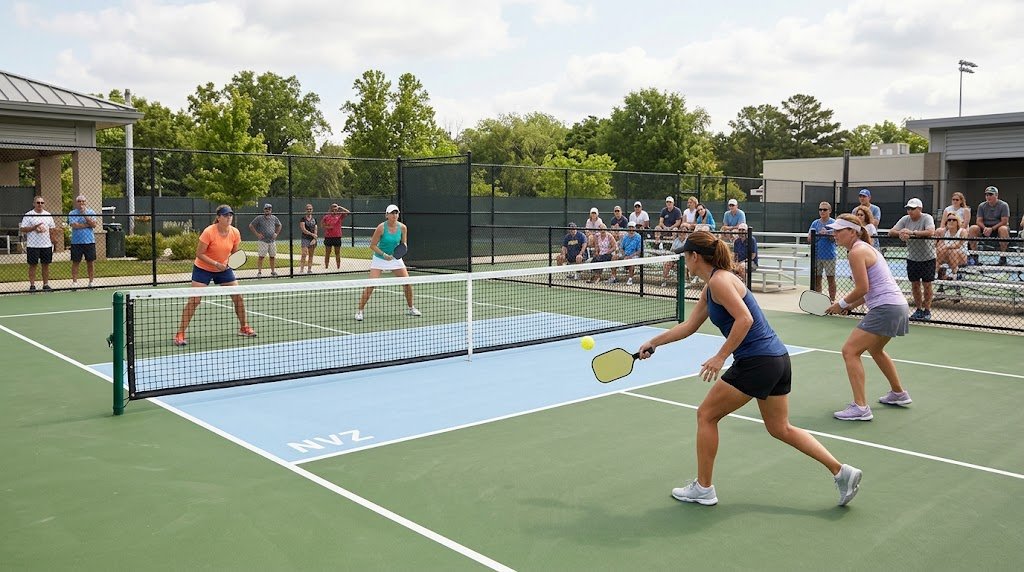

Debbie Beliveau and Barbara Jones didn’t just win — they dominated. In a commanding performance at the Women's 4.0-4.49 Doubles event on September 20, 2026, the duo rolled to an 11–0 shutout over Janelle Senden and Grace Malay. The lopsided scoreline reflects more than just a gap in pre-match ratings; it underscores a masterclass in court control, shot selection, and disciplined execution from the opening serve to the final point.
Commanding the Net from the First Serve
Beliveau and Jones imposed their will early, using deep serves and aggressive third-shot drives to push Senden and Malay behind the baseline. By forcing their opponents into defensive positions, the winning pair created opportunities to move forward and establish presence at the non-volley line. Controlling that critical zone — the kitchen line — allowed them to cut off angles, reduce reaction time for their rivals, and dictate the pace of exchanges. Their ability to step in and take balls out of the air, when legally permitted, turned defense into instant offense.
Precision Over Power: The Art of the Dink
While power played a role, it was the subtle touch that truly set Beliveau and Jones apart. Consistent, unattackable dinks landed just over the net and inside the kitchen, neutralizing any chance for Senden and Malay to counter with pace. These soft shots forced errors not through sheer force, but through placement and patience — a hallmark of high-level doubles play. The winners varied height and spin, keeping their opponents guessing and off-balance without ever needing to rely on winners from the backcourt.
Kitchen Awareness: Staying Legal, Staying Effective
A key theme in their success was disciplined kitchen play. Beliveau and Jones understood the fine line between controlling the non-volley zone and committing a fault by volleying inside it. They stepped in to take dinks and drops after the bounce, maintaining position without overreaching. This awareness minimized unforced errors and kept them in advantageous court position. Meanwhile, Senden and Malay, while competitive, struggled to find consistent rhythm in transition — often caught between baseline and net, unsure whether to attack or reset.
What the Score Tells Us
The 11–0 result wasn’t just about talent — it was about execution. Each game, though only one was played due to the format, contributed to a narrative of superiority: Beliveau and Jones won every rally that mattered, converted opportunities, and minimized mistakes. Their pre-match ratings (4.032 and 3.877) reflected readiness; their performance validated it. For Senden and Malay (rated 3.305 and 3.648), the match served as a tough but instructive lesson in the demands of elite doubles — where small margins in positioning, shot choice, and mental focus compound quickly.
Beyond the Scoreboard
This wasn’t a fluke. It was a statement. Beliveau and Jones showed that when preparation meets precision, even a talented opponent can be overwhelmed — not through flash, but through fundamentals executed flawlessly. For anyone watching, the takeaway is clear: in pickleball, the battle is often won not at the baseline, but at the line — and the team that controls the kitchen, controls the game.