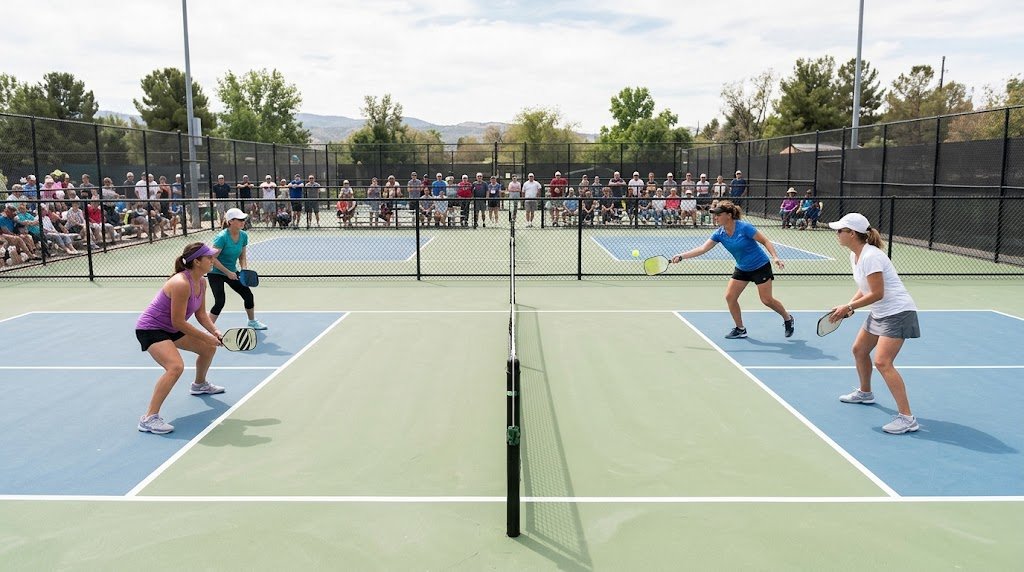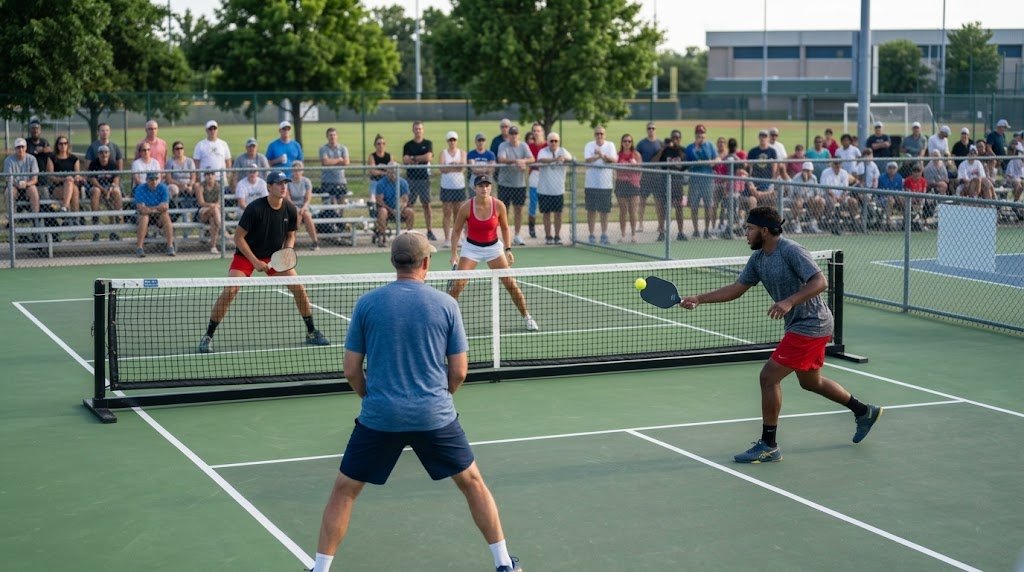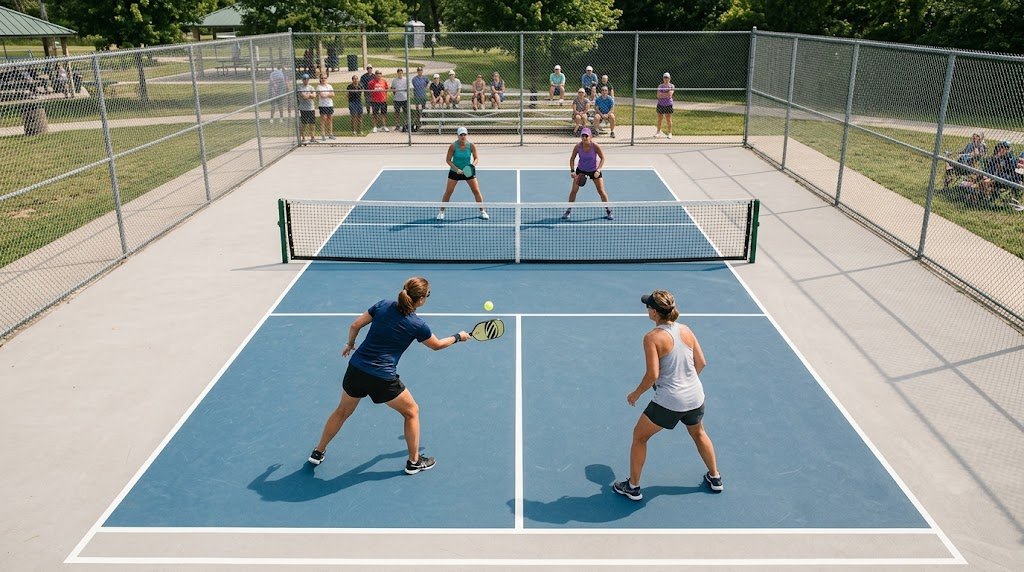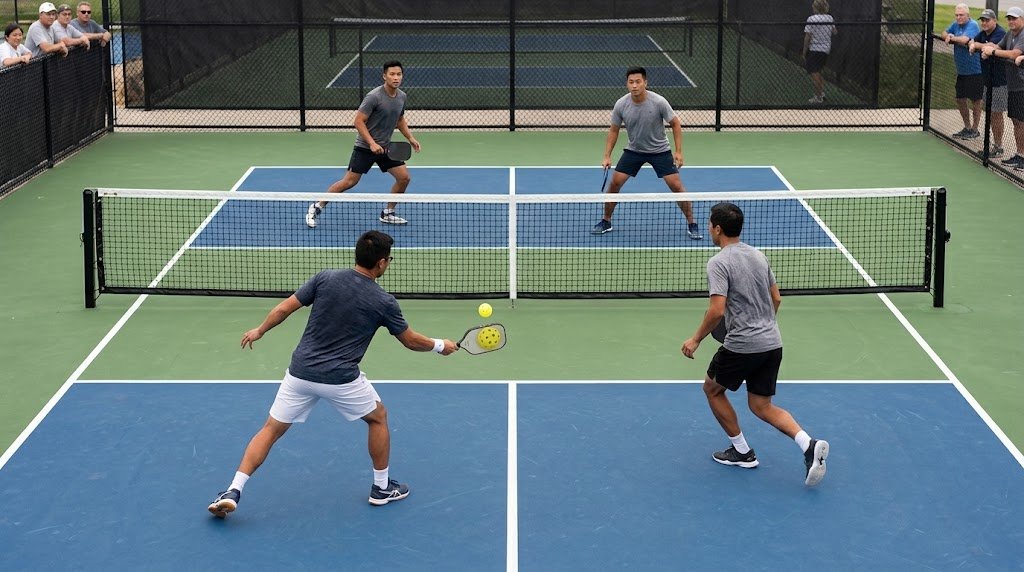

Bryant Chang and Don Huynh delivered a statement win on Friday at the Men's 4.0-4.49 Doubles bracket, outlasting the higher-rated pairing of Tim Nguyen and Dan Bui in a pulsating 15-10 showdown that served up both inspiration and incredulity.
The result, a commanding two-game sweep, instantly vaulted the underdog duo into the winners' circle while leaving the pre-match favorites to process what might have been their most elusive loss of the season.
Pre-Match Favorites Fall Short
Nguyen entered at 3.486 and Bui at 4.034, giving their combined rating an edge over the 7.295 collective strength of Chang at 3.12 and Huynh at 4.175. On paper, the imbalance suggested a potential coronation for the more experienced tandem. Instead, the court offered a different narrative—one of aggressive court coverage, surgical dinking, and a refusal to yield an inch.
The first game saw a back-and-forth struggle, with each side trading serves and replies in a rhythm that kept spectators on the edge of their seats. When the dust settled, Chang and Huynh claimed a 10-6 triumph, a margin that belied the tactical chess match that unfolded between the lines.
The Second Game: A Test of Resolve
Game two demanded even more. From a tied 5-5 deadlock, the momentum began to tilt. This is where pickleball’s unique blend of precision and pressure rears its head: a single error—be it a poorly timed kitchen dink, an errant serve landing just out of bounds, or a contested non-volley line call—can pivot the entire dynamic.
Chang and Huynh, undeterred by their narrow first-game victory, began dictating pace. Their ability to sustain rally depth while maintaining court position forced Nguyen and Bui into a series of tentative shots. By the time the scoreboard read 12-8, the outcome was all but sealed. A final point served as an exclamation mark, capping a 15-10 victory that would reverberate through the bracket.
Kitchen Positioning and the Margin of Error
For casual observers—or those still mastering the sport—the kitchen (or non-volley zone) remains a source of both opportunity and penalty. Dinking, the soft, low shots played from just behind the kitchen, allows players to finesse the ball over the net without triggering a volley fault. Conversely, taking a step forward into the kitchen before making contact with the ball—known as a kitchen violation—results in a fault, awarding the point to one’s opponent.
Controlling the non-volley line is an art form. Players use it as a launching pad for aggressive third-shot feeds while respecting its boundaries. Volleying illegally from inside the kitchen is a cardinal sin, yet the line itself offers leverage when positioned correctly. In tight games, mastering this zone often separates the champions from the contenders.
Out-of-bounds calls carry similar weight. A serve landing beyond the baseline or crossing the net and landing outside the opponent’s court grants immediate possession. Consistency and placement trump power here; a well-directed serve sets up the rallies to come.
A Winning Formula Forged in Grit
What makes Chang and Huynh’s triumph compelling isn’t just the 15-10 result—it’s the composure they showed when the pressure mounted. Their ability to reset mentally after each point, maintain court coverage, and execute under stress paints a picture of seasoned teamwork, even if their ratings hinted at inexperience.
As the dust settles in this bracket, one thing is clear: pickleball rewards heart, hustle, and the wisdom to play within—and occasionally exploit—the rules. And on this day, those qualities wore the name Bryant Chang and Don Huynh.