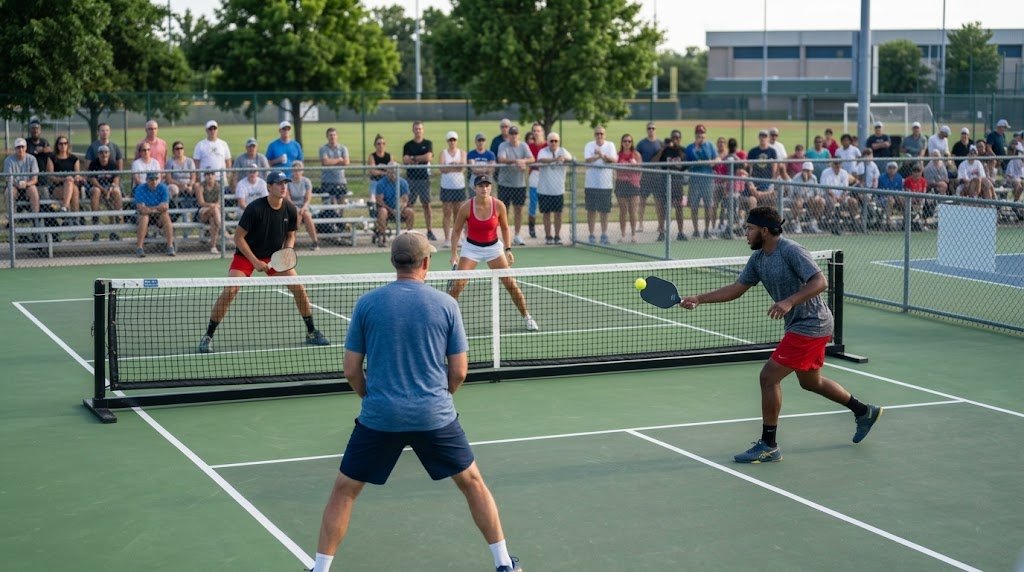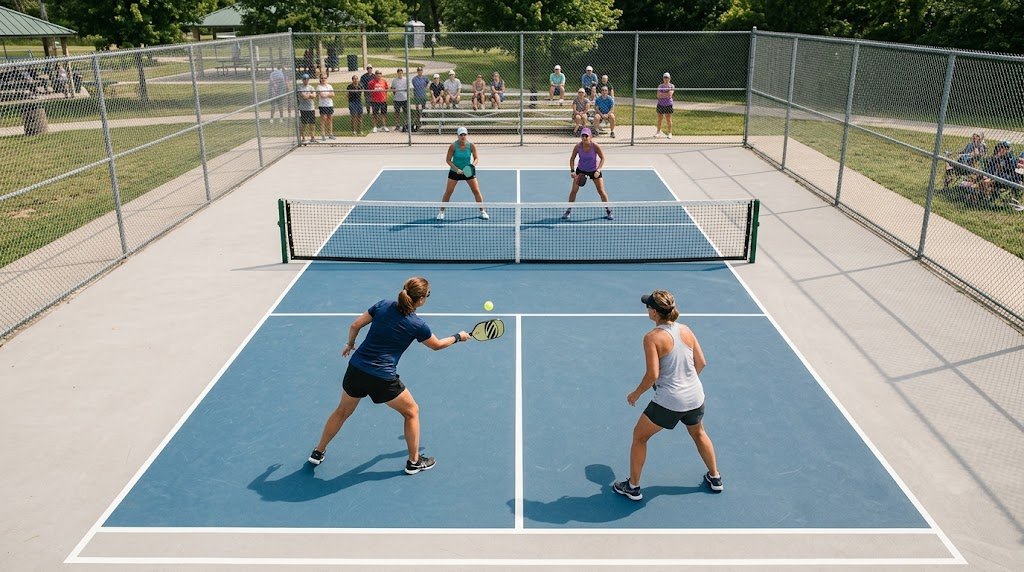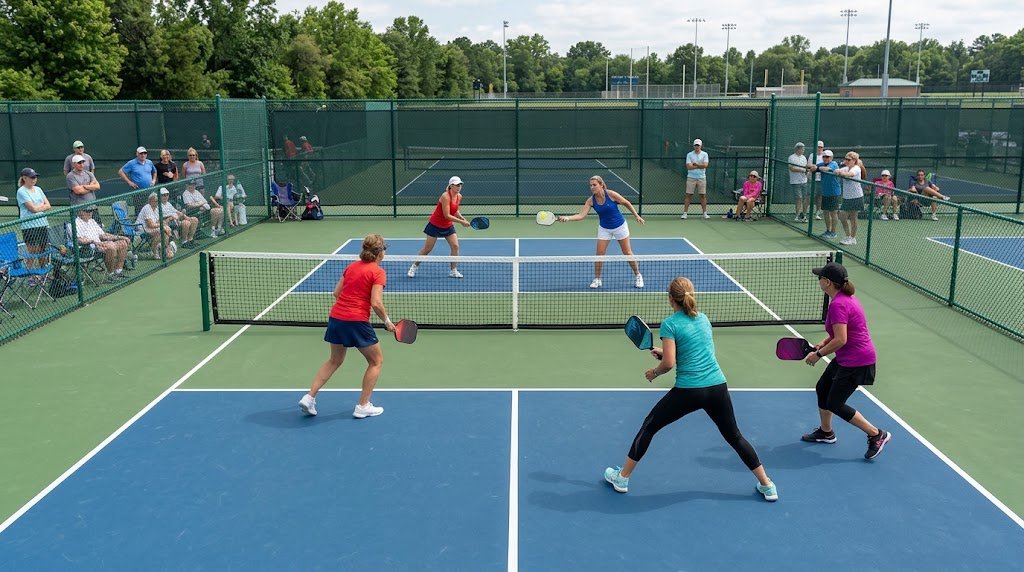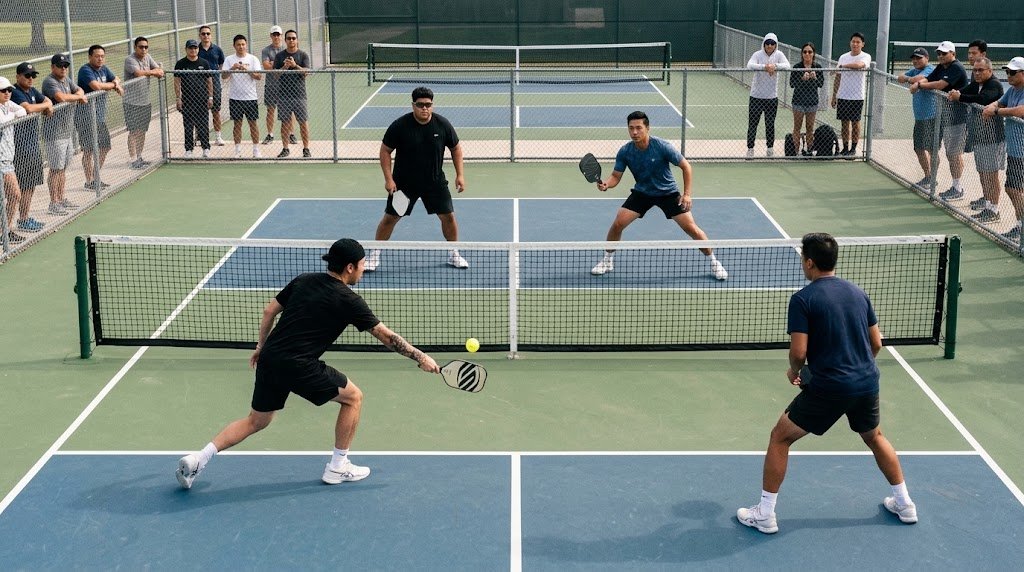


Tim Nguyen and Dan Bui served up a statement win on September 20, dispatching Brandon Mi and Leeangelo Santos 11--9 in straight games of the Men's 4.0-4.49 Doubles bracket. The victory was a textbook case of execution under the spotlight, as the winning pair combined for a tidy margin that spoke volumes about their court awareness and offensive chemistry.
A Battle of Mid-Range Warriors
On paper, the matchup was a clash of contrasting ratings. Nguyen checked in with a 3.532 pre-match rating, while his partner Bui brought a stingy 4.386 to the table, giving them a clear edge on rating differential. Across the net, Mi (3.866) and Santos (3.367) were no strangers to competitive battles, but on this night, the numbers told a different story. The single-game format kept things tight, and the narrow gap between the scores ensured that every point felt weighted.
Nguyen and Bui’s collective experience likely played a role in their ability to close out the decisive game. When doubles teams operate with a blend of offensive firepower and defensive poise, they often find themselves thriving in these pressure-cooker moments.
Kitchen Chess and the Art of the Line
For teams operating at the non-volley line, positioning can be the difference between a clean dink exchange and a rushed volley. Smart doubles partnerships thrive when both players hover just behind the kitchen line, ready to react to soft touch shots while staying alert for opportunities to step in and take control.
A common pitfall for newer teams is drifting too far forward, which can lead to a fault or a weakly placed shot. Conversely, hanging back too far opens up the court for opponents to exploit gaps with sharp angle drives or well-disguised third-shot drops.
The art lies in reading the rhythm of the rally. General pickleball wisdom suggests that the strongest teams maintain a balance: aggressive enough to threaten at the net, but disciplined enough to reset when the ball sits in the kitchen zone. A well-placed dink can force an opponent into an uncomfortable pop-up, setting up a lethal attack just over the net.
Out-of-bounds calls often stem from aggressive baseline play, where power can override placement. Teams that master the balance between taking the ball early and avoiding the sidelines tend to extend rallies and dictate terms.
What One Game Said About the Pairing
In a single-game shootout format, margin matters—even an 11--9 victory carries significant weight. Nguyen and Bui’s ability to edge out the win showcased not just skill, but the mental fortitude that separates contenders from the rest of the pack.
Each rally in a compressed format becomes a microcosm of the entire match. The leading team’s consistency, particularly in serving and returning, often sets the tone early. When one team controls the tempo from the outset, the opposition is forced into a reactive stance, chasing rather than leading.
For Mi and Santos, the narrow loss is a reminder that in pickleball—especially at the 4.0 level—a single misstep can tilt the entire outcome. Their effort was commendable, and the scoreline suggests they kept things competitive until the final point.
Looking ahead, both teams have plenty to build on. For Nguyen and Bui, this win adds momentum and serves as a benchmark for what’s possible when everything clicks. For Mi and Santos, there’s no shortage of lessons to extract from a match that came down to the wire.
In a sport where fractions of inches and split-second decisions reign supreme, sometimes the smallest margins yield the loudest statements.