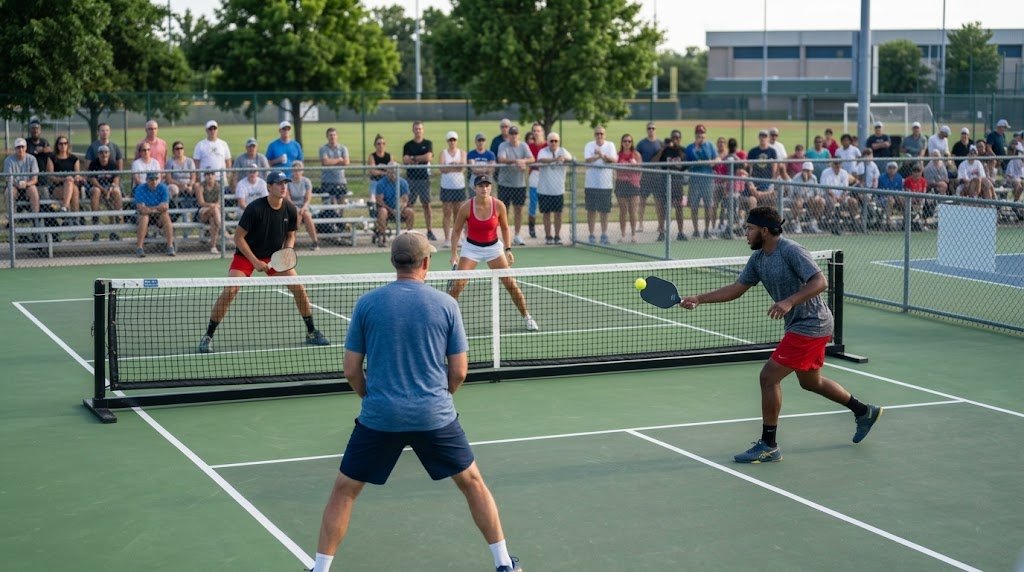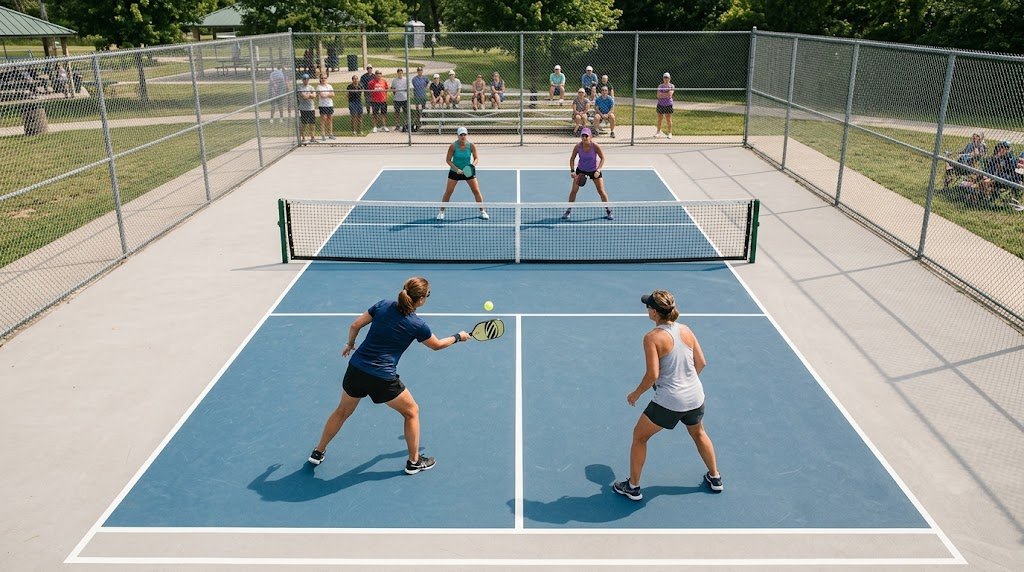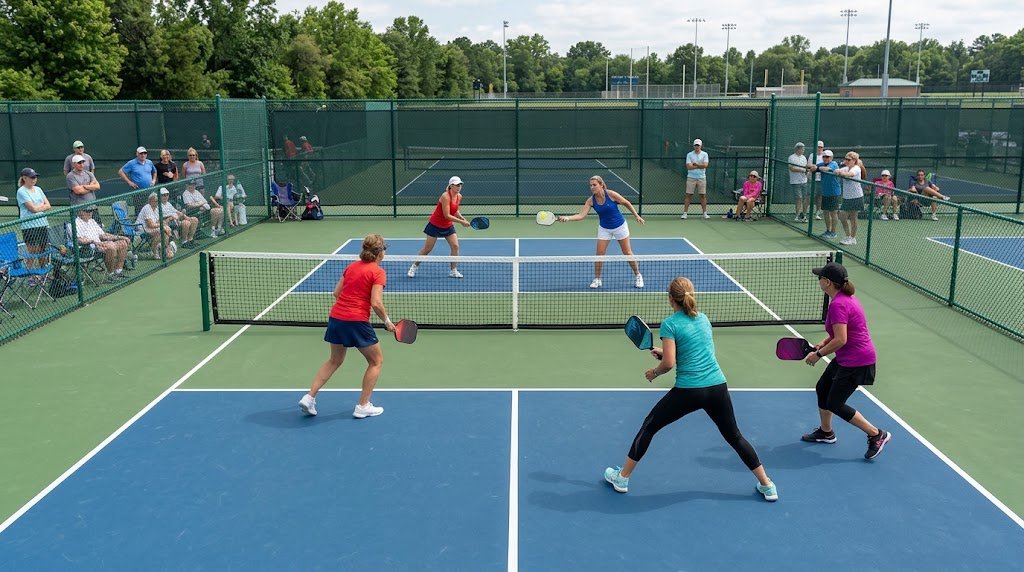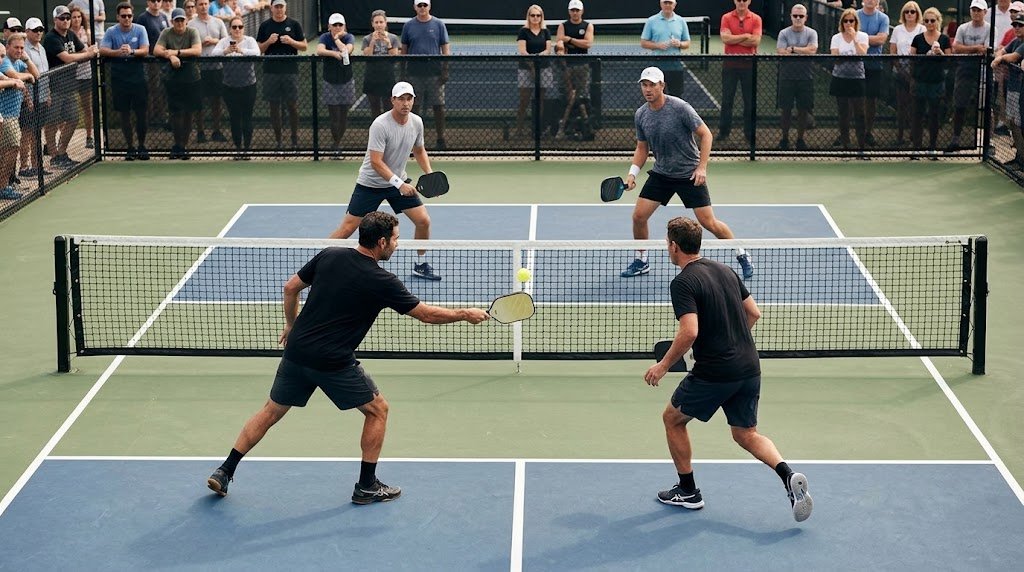


In a display of pure pickleball precision, Steve Deakin and Daniel Roditi delivered a commanding performance at the PPA Tour: Veolia Arizona Open, shutting out Chip Mulkins and Ryan Trefry with a flawless 11-0, 11-0 sweep in the Men's Doubles Senior Open. The result wasn't just a win—it was a scoreboard statement, a two-game demolition that left no room for doubt. From the first serve to the final point, Deakin and Roditi controlled the tempo, the angles, and the kitchen like seasoned generals mapping a battlefield.
The pre-match ratings hinted at a disparity: Deakin entered with a 6.08 rating, Roditi at 5.577, while Mulkins (5.225) and Trefry (5.221) were rated slightly lower but still competitive. Yet ratings are snapshots, not prophecies—and on this day, the higher-rated duo turned potential into dominance. Each game contributed equally to the result: the first, a ruthless 11-0 shutout that established tone and pressure; the second, a repeat performance that cemented control and left no rally for recovery. There was no comeback, no flicker of resistance—just a masterclass in doubles efficiency.
Kitchen Control and the Art of the Non-Volley
In pickleball, the kitchen—the non-volley zone—is both a sanctuary and a trap. Controlling the non-volley line means owning the space just behind it, where players can volley safely without stepping into the forbidden zone. Deakin and Roditi, by all indications from the scoreline, likely mastered this positioning. Staying back from the line allows for better reaction time, cleaner ball tracking, and the ability to drive or drop with intent. Volleying illegally inside the kitchen—stepping forward before the ball crosses the net—is a fault that shifts momentum instantly. While no specific violation was recorded in this match, the absence of such errors in a 22-point blowout suggests disciplined footwork and spatial awareness.
Dinks, Faults, and the Edge of Bounds
Dinks—soft, low shots meant to land just over the net—are the currency of kitchen warfare. They force opponents to bend, lung, and often misjudge depth. A well-placed dink can unlock a defense, but a mistimed one can float long or land short, gifting points. Faults, meanwhile, are the silent assassivors of rally momentum: foot faults on serve, net touches, or double-bounces can erase progress. Out-of-bounds risk looms with every deep lob or wide drive. In a match like this, where every point was contested with surgical precision, the winners likely minimized these risks—keeping the ball in play, forcing errors, and never giving their opponents a chance to breathe.
The Scoreboard Speaks Volumes
An 11-0, 11-0 result is not just a win—it's a verdict. It says: we were faster, sharper, and more synchronized. It says: we read the ball, anticipated the angles, and never broke rhythm. For Mulkins and Trefry, it was a tough lesson in the margins of elite doubles. For Deakin and Roditi, it was a validation of their synergy and skill. The match may not have featured dramatic comebacks or crowd-roaring rallies, but its power lay in its consistency—a flawless execution that turned the scoreboard into a monument of dominance.
This result, while lopsided, should not be seen as a dismissal of the losing team. Rather, it reflects the razor-thin margins between control and chaos in competitive pickleball. Deakin and Roditi didn't just win—they authored a blueprint of efficiency, one that future opponents would do well to study.