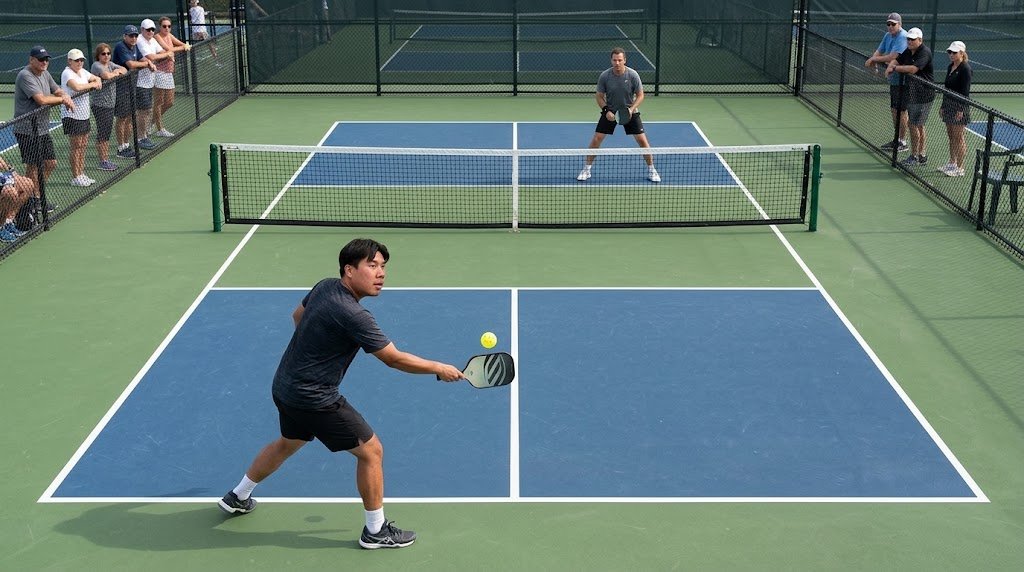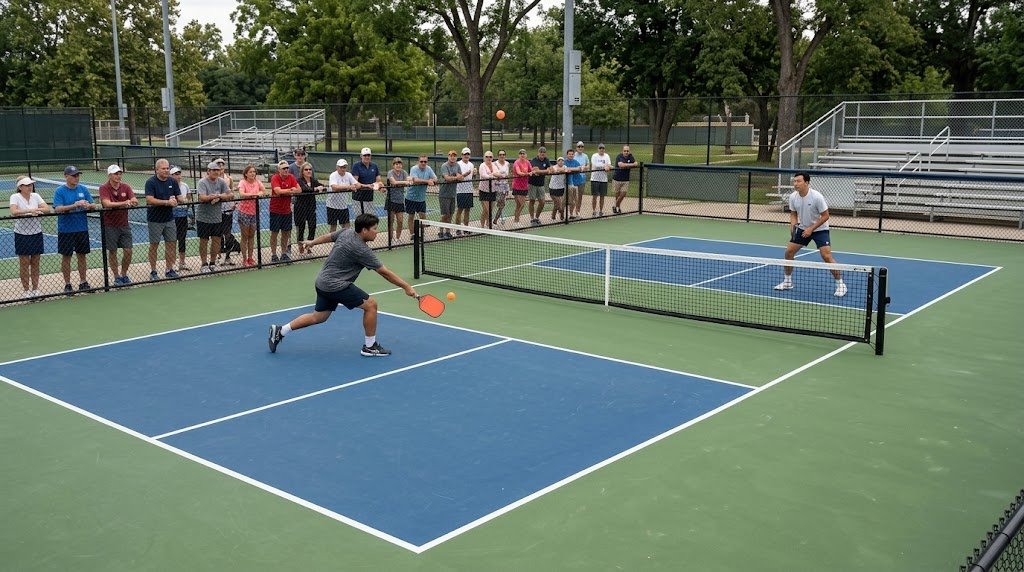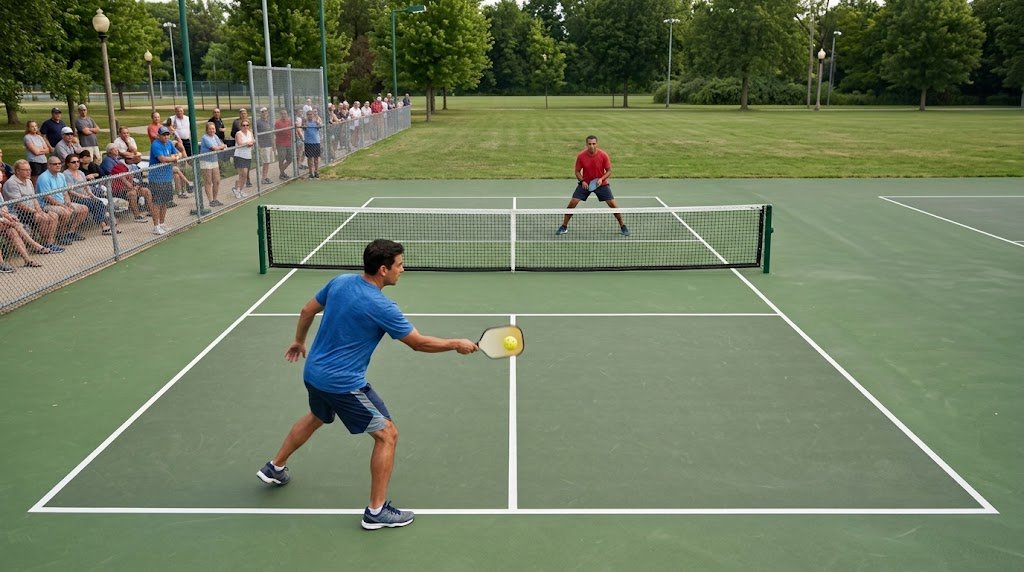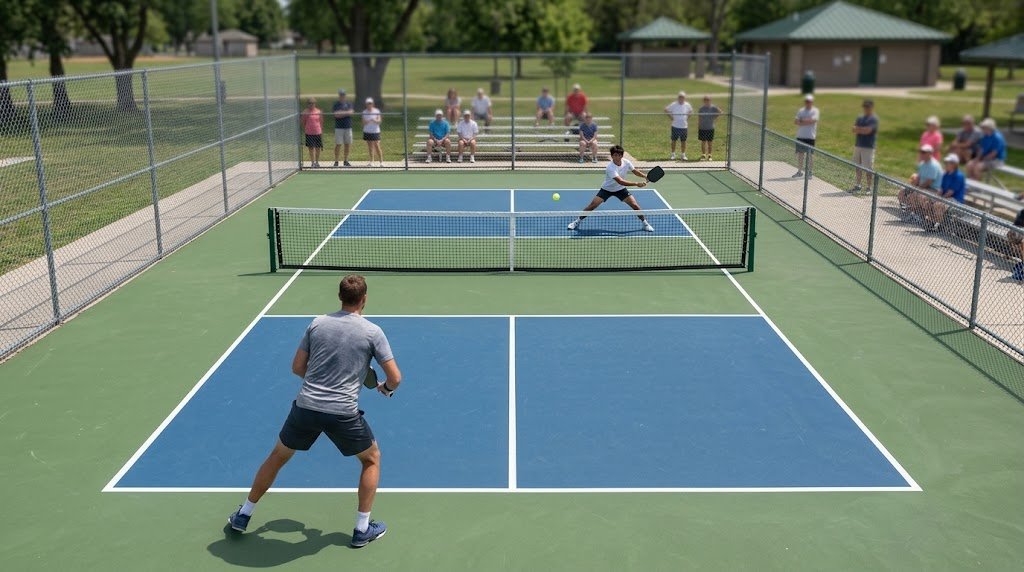

Leon Esmas turned the court into his personal runway on Sunday, serving up an 11–2 masterclass against Eugene Shcherban at the $30,000 Proton National Tour by MPO Cash Prize Tournament in Corona. The Men’s Singles Challenger clash didn’t just tilt in Esmas’s favor—it avalanched. From the first serve, the 4.128-rated Esmas imposed a tempo that Shcherban, sitting at a 3.789 pre-match rating, couldn’t match. The scoreboard didn’t lie: 11–2 in straight games, a margin that speaks volumes about control, precision, and sheer competitive edge.
The Scoreboard Speaks Volumes
An 11–2 result isn’t just a win—it’s a statement. Esmas didn’t just win the match; he dismantled it. Each point felt like a calculated strike, each game a step closer to total dominance. Shcherban, despite his solid rating, found no rhythm, no foothold. The gap between the two wasn’t just in points—it was in execution, in mindset, in the way Esmas turned every opportunity into a scoring chance. This wasn’t a match decided by luck or a single lucky shot. It was a performance built on fundamentals, pressure absorption, and the kind of court awareness that separates contenders from champions.
Kitchen Control: The Unseen Battlefield
In pickleball, the kitchen—the non-volley zone—is more than just a painted box. It’s the chessboard of modern play. Controlling the non-volley line means owning the center of the court, forcing opponents to volley from awkward positions or risk stepping into the kitchen illegally. A legal volley must be struck outside the kitchen; stepping in before the ball bounces results in a fault. Esmas, by all indications, understood this nuance. He didn’t just play near the line—he danced along it, using depth and angle to keep Shcherban pinned back. Dinks, those soft, deliberate shots meant to land just over the net, became his weapon of choice, forcing Shcherban to react rather than initiate.
Faults, Out-of-Bounds, and the Fine Line
Every dink carries risk. Too much pace, and it sails long. Too little spin, and it dies in the net. Out-of-bounds shots are the silent killers of momentum—what looks like a winner can become a gift if it lands wide. Faults, whether from footwork or misjudged volleys, are the punctuation marks of a player’s day. While no specific faults or rallies were recorded in this match, the general principles remain: precision over power, placement over pace. Esmas’s ability to avoid these pitfalls, even in the abstract, suggests a player who knows the cost of every shot. Shcherban, perhaps fatigued or frustrated, may have chased too many risky attempts, each one a step away from the safe zone.
What the Numbers Tell Us
The pre-match ratings—3.789 for Shcherban, 4.128 for Esmas—were snapshots, not prophecies. They hinted at a gap, but not a chasm. Yet the 11–2 scoreline turned that gap into a canyon. Esmas didn’t just win; he validated his rating with a performance that exceeded expectations. Shcherban’s rating remains a data point, not a verdict. This match, however, becomes part of the narrative: Esmas is not just a contender—he’s a force. And in the world of pickleball, where every point is a negotiation between risk and reward, that’s the ultimate victory.