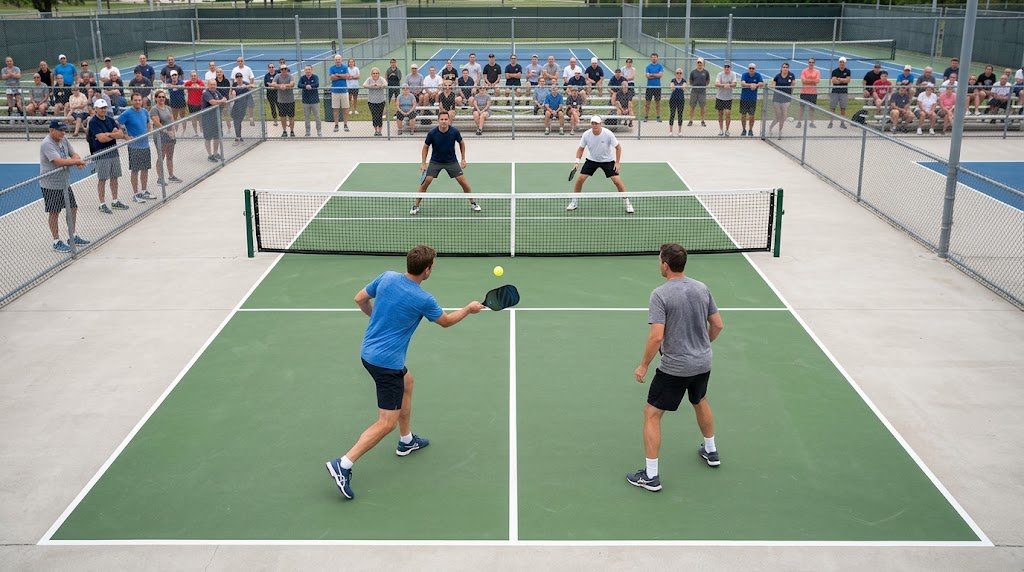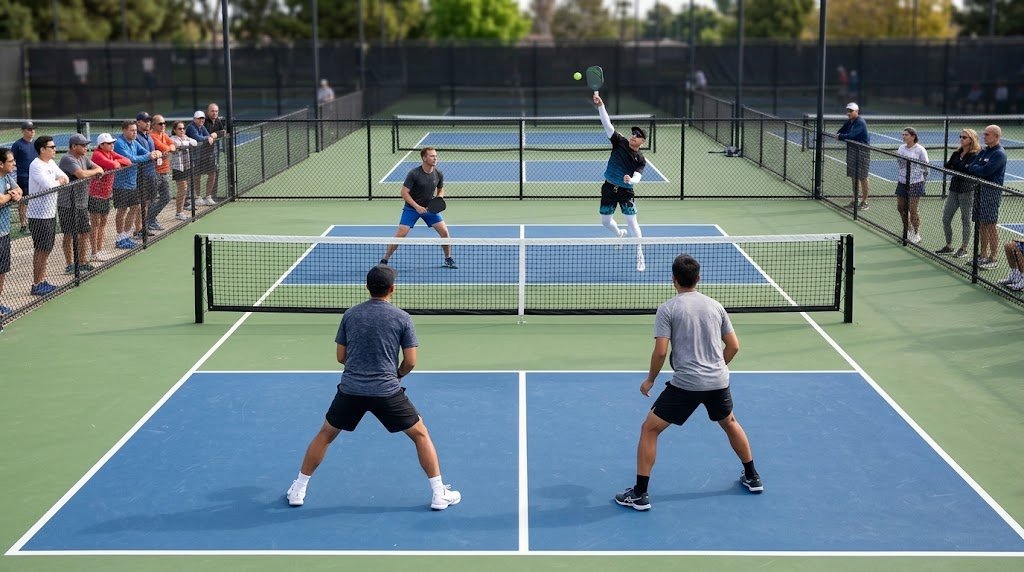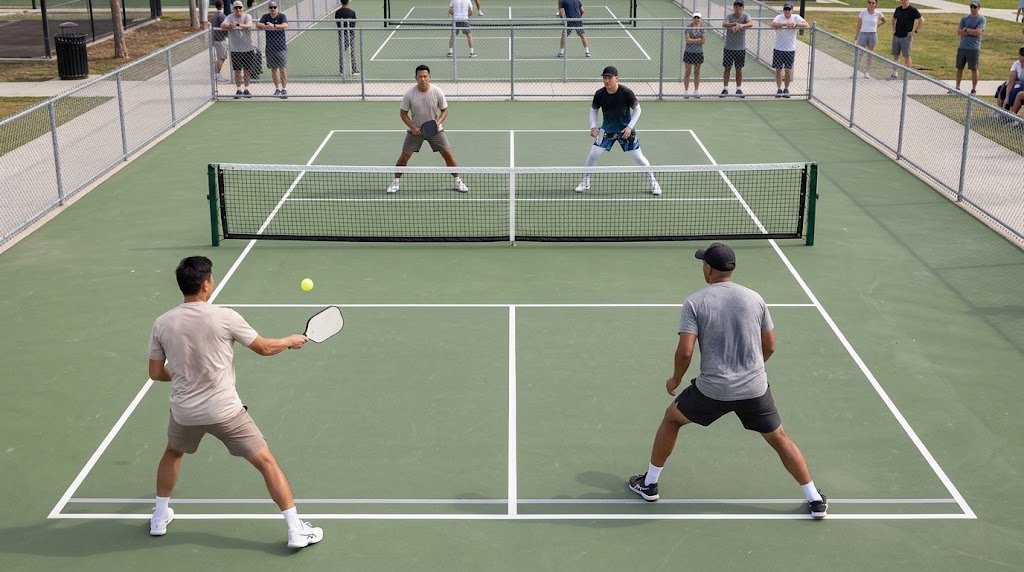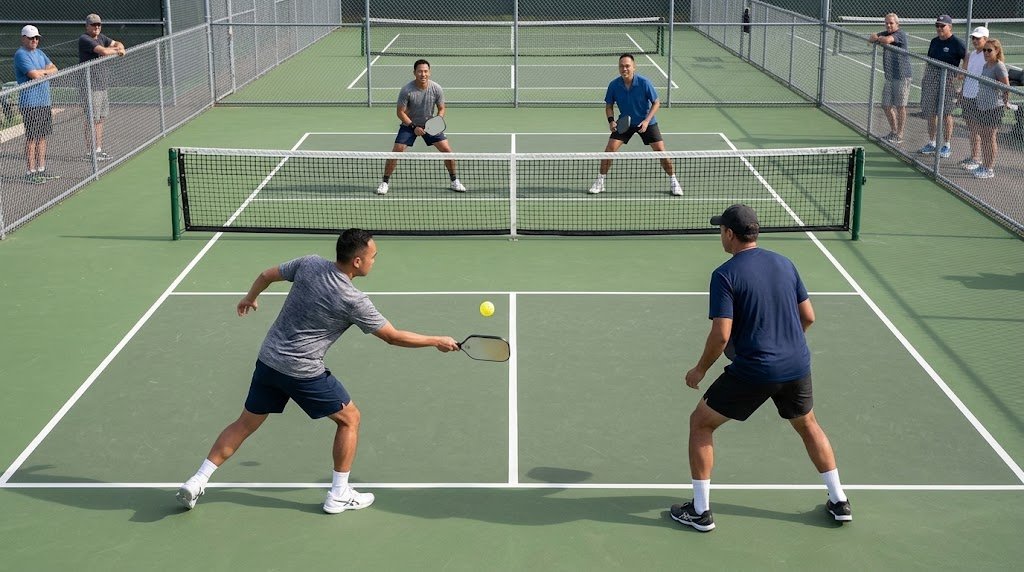


Mark Garcia and Andrew Nguyen posted a dominant straight‑games victory over Glenn Chen and Jeff Chang in the Men's 3.5-3.99 Doubles event on 2026-09-20, recording an 11–1 final and turning the scoreboard into a statement board. The pre‑match ratings—Garcia 3.426, Nguyen 3.608, Chen 3.027, Chang 3.027—frame a mismatch, and the result turned that margin into points on the court. The two‑game line, with no additional contests recorded, seals a clean sweep, not a close call. The 10‑point scoring gap is the statistical backbone of this outing, a number that tells the whole story.
Pre‑Match Snapshot
The rating gap separates the teams before a single serve lands. Garcia sits at 3.426 and Nguyen at 3.608, while Chen and Chang each carry 3.027. These figures are a pre‑match snapshot, not current ratings or a forecast for future matches. What they do offer is context: a half‑point spread that translates into real pressure on the return and at the net. That differential helped set the tone for a controlled win rather than a scramble.
Kitchen Command and the Dink Zone
General pickleball analysis starts in the non‑volley zone, where the line is a philosophy, not a line on the court. Controlling the non‑volley line means staying close enough to cut off angles, softening hands for dinks and forcing opponents to lift from below the tape. Volleying illegally inside the kitchen, by contrast, is a foot‑fault risk, not a strategy—players must wait for the ball to bounce or clear the plane entirely. Dinks that die near the tape raise the opponent's error risk, while deep returns push the baseline team back and open the middle. Out‑of‑bounds risk climbs when aggressive cross‑court dinks sail wide, so pros tend to favor down‑the‑line angles with higher margins. These principles are general and conditional; the source records no faults or specific rallies, so no named player is credited or blamed for any individual shot.
Net Presence and Error Discipline
Garcia and Nguyen converted their rating edge into a relentless hold of the middle third, a textbook doubles habit that compresses the court and forces rushed replies. The 11–1 line hints at unforced errors and short balls that never became rally material, but the source does not record rallies or faults, so the exact cause remains interpretive, not observed. The opening game likely set the tempo, the middle games widened the gap, and the closing frames turned a lead into a rout. Each game contributed to a 10‑point margin that reads as command, not luck. Keep the distinction clear: analysis of pressure is an interpretation of the score, not a report of witnessed psychology or on‑court emotion.
Closing Perspective
A shutout‑style finish can be a scoreboard blank or a statement win—this one reads as both, without need to ridicule the losing pair. Chen and Chang walked off with a 1–11 line that reflects a rating gap, not a character flaw. For Garcia and Nguyen, the clean sweep sharpens their standing inside the event and validates the pre‑match numbers. The final result, attributed here once for clarity, stands as 11–1. OpenPB will track how this group shapes the bracket as the slate continues.