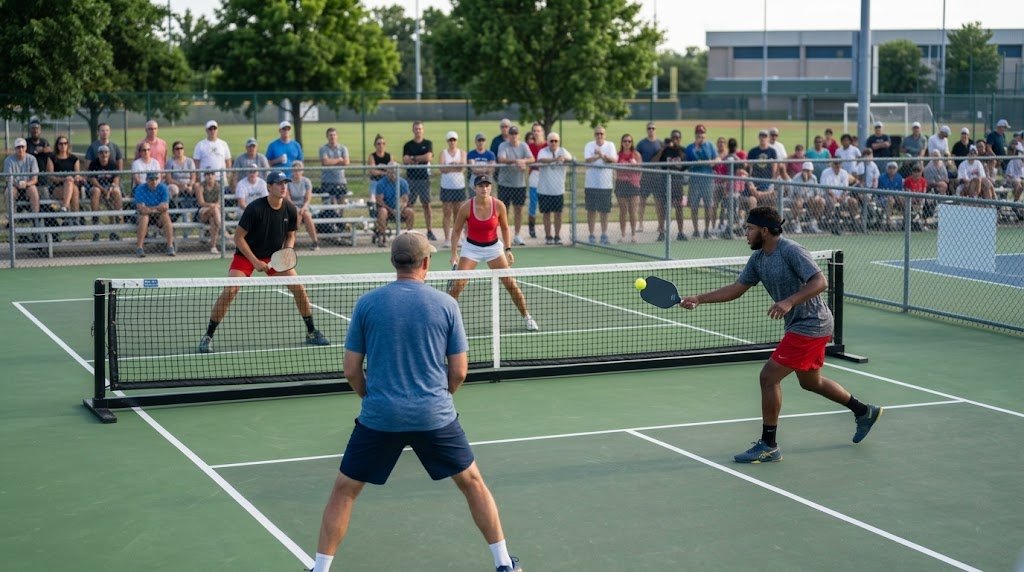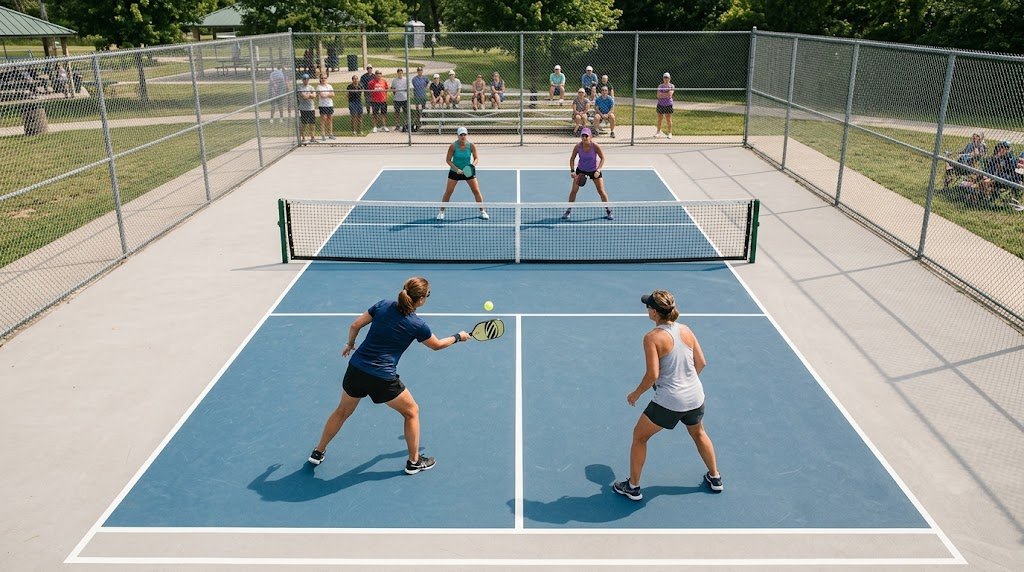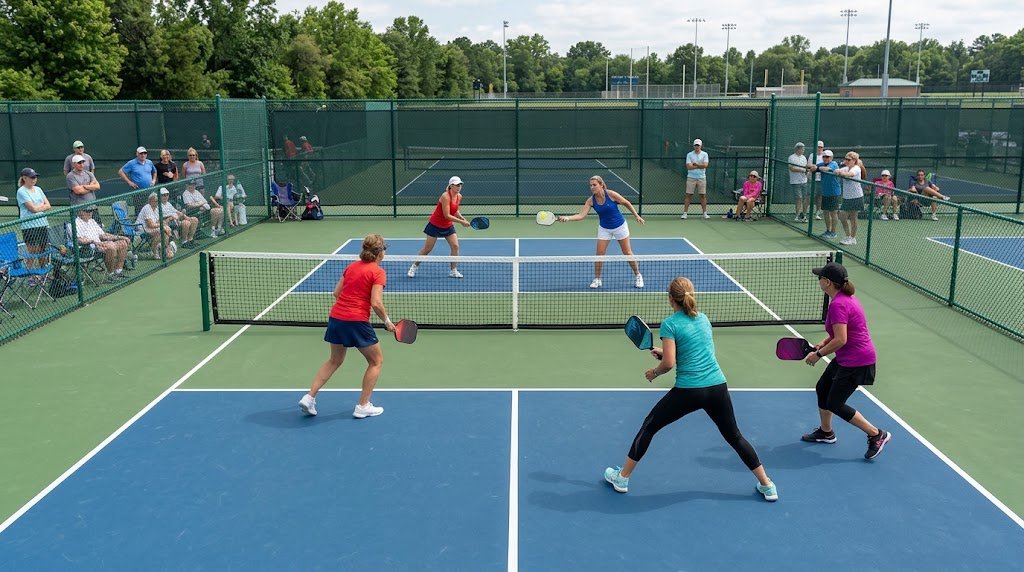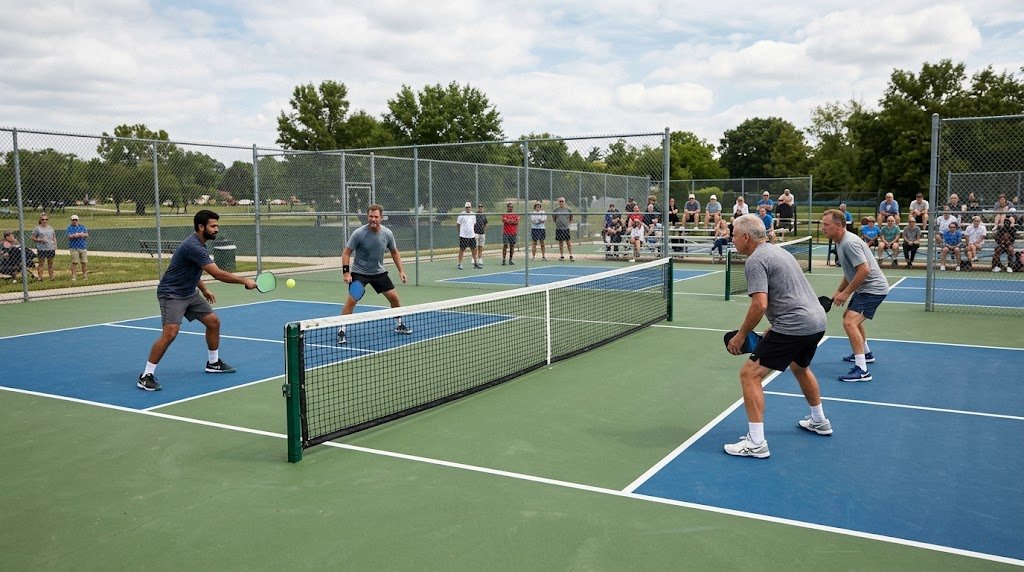
The scoreboard told the story quickly: 11–5. Jose Alvarez and Peter Alvarez delivered a commanding straight-games win over Juan Campos and David A Pantoja Sr in the $30,000 Proton National Tour by MPO - Cash Prize Tournament in Corona - Senior Men’s Doubles 3.0, and the margin left little room for debate. Five games separated the sides from the opening serve, turning what could have been a grinding battle into a decisive statement win. For a doubles pairing entering the event with blended ratings, the result felt less like a lucky bounce and more like a focused, clinical outing that found its rhythm early.
Ratings Snapshot and Doubles Context
Pre-match ratings add useful context without predicting outcomes. Jose Alvarez arrived at 3.259 and Peter Alvarez at 2.967, while Campos and Pantoja carried 2.8 and 3.399 respectively. The Alvarez side’s combined ratings sat higher, and they converted that edge into a clean sweep. Pre-match ratings are a snapshot, not a forecast; they describe the moment before contact, not what happens next on the court. The doubles-team context matters too: with two players per side, coordination and coverage can tilt a match just as much as individual skill. In this case, the winning pair’s balance between experience and steady ratings helped them stay ahead of the curve.
Kitchen Positioning and Dinks
Pickleball’s non-volley zone, often called the kitchen, is where many points are won or lost. Good kitchen positioning means staying just outside the line to volley safely while still threatening the net. A well-placed dink can force an opponent to lift the ball upward, creating an opening for the next shot. Controlling the non-volley line means owning that space with purposeful positioning and soft hands; volleying illegally inside the kitchen means making contact with the ball while any part of your body or paddle is over the line, which is a clear fault. That distinction separates smart net play from risky shortcuts, and it is one of the clearest ways to read whether a doubles team is disciplined or reckless.
Faults and Out-of-Bounds Risk
Every rally carries two silent threats: the kitchen fault and the ball landing out of bounds. A kitchen fault occurs when a player volleys while touching the non-volley line or stepping over it, and even a momentary foot fault can hand the point away. Out-of-bounds risk increases when deep drives sail past the baseline or sideline, giving opponents easy reset opportunities. General pickleball analysis suggests that teams who keep their dinks low and their depth honest reduce both risks, because short, controlled shots limit the angles that lead to wide returns and high, floaty lobs that drift beyond the baseline. The Alvarez win reflects the value of that kind of discipline: fewer wild swings, fewer unnecessary risks, and a steady flow of points built on control rather than chaos.
What the Score Says
An 11–5 result reads as a statement win, not a nail-biter. The Alvarez pair seized control early and stayed ahead, while Campos and Pantoja had to chase the whole way. Each game contributed to the same picture: the winners set the tempo and the losers spent the match reacting. When a team wins in straight sets by that margin, the takeaway is simple but powerful—confidence compounded across games, and the winning side never let the losing side find a foothold.
The Alvarez duo left the court with momentum and a clean sweep, while Campos and Pantoja walk away with a competitive result they can build on. Pre-match ratings hinted at the edge, but the match itself delivered the proof. In a tournament where every point carries weight, the duo who played the smarter, steadier version of pickleball walked away with the headlines. The scoreline is final and the takeaway is clear: preparation, positioning and precision were the difference on this day.