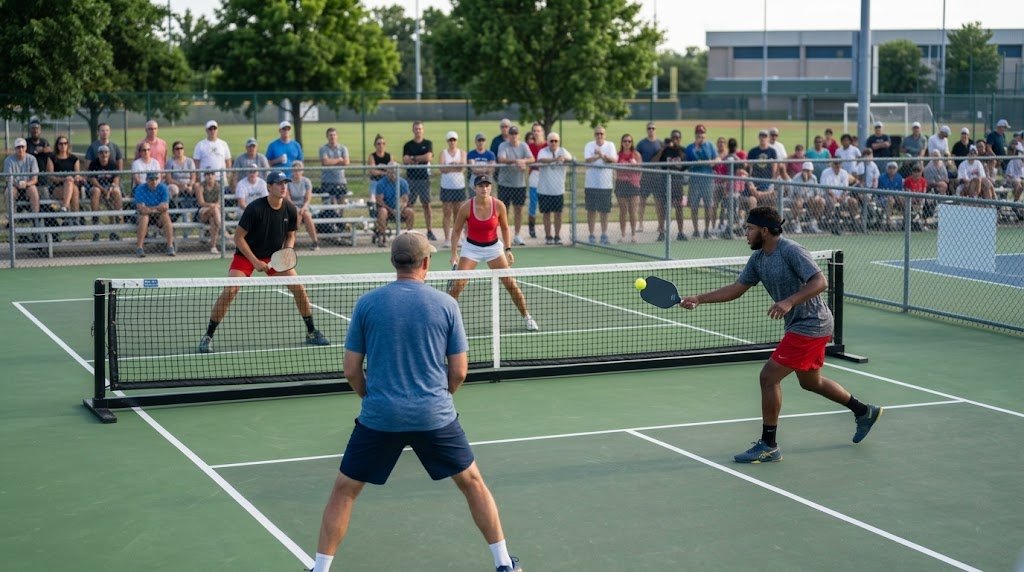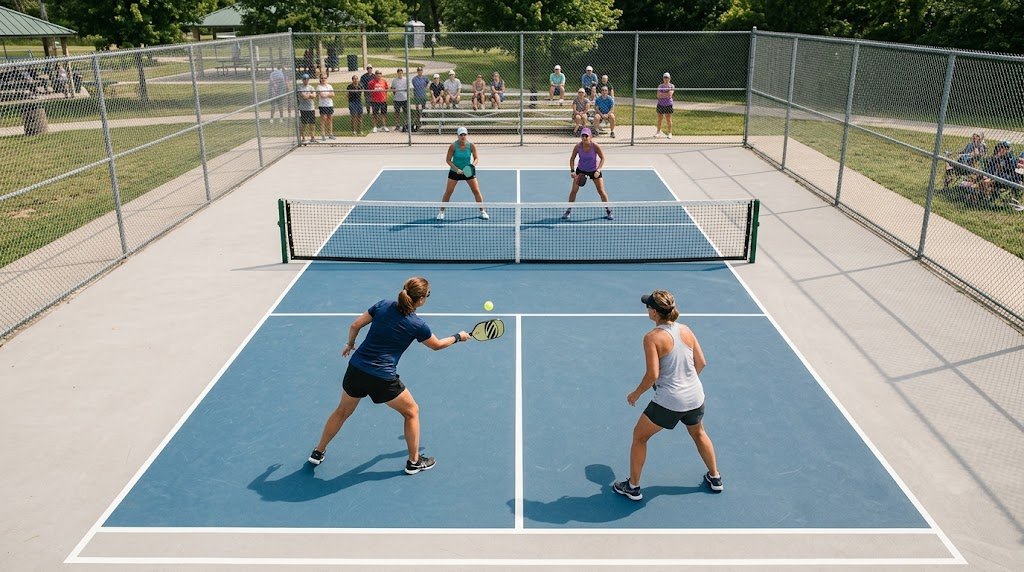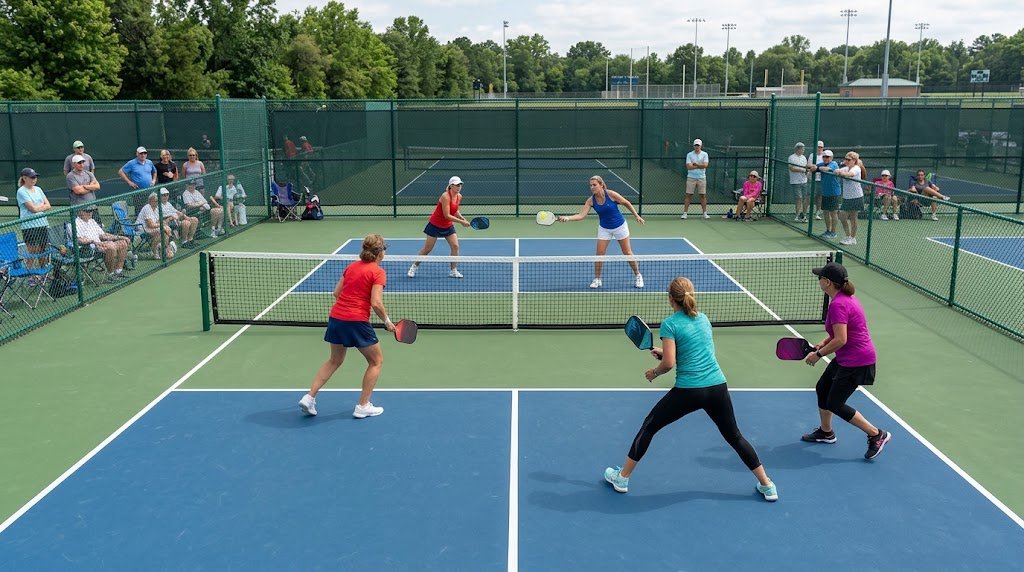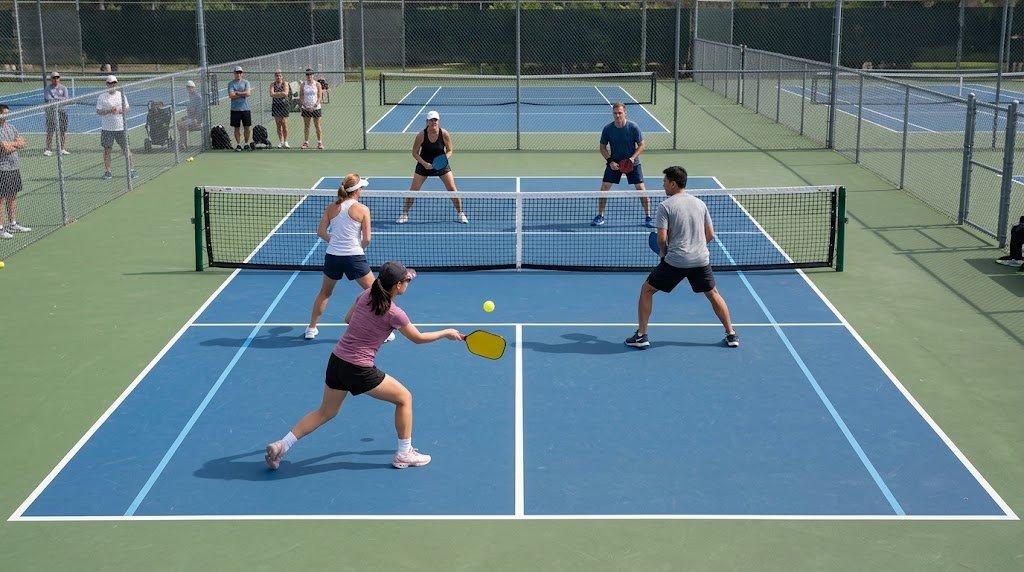


Janet Luo and Channing Wong stormed through the NP California Open Classic Mixed Doubles 4.0+ bracket Sunday, sweeping Brenda Epstein and Evan Blair 15–5 in straight games for a commanding display of teamwork and precision at the net. A margin like that speaks to control from start to finish, with the winning pair dictating pace while their opponents struggled to find rhythm on the bigger court.
A Clinical Performance
The numbers tell the story before a single ball crossed the net. Luo entered with a 3.988 pre-match rating and Wong carried a 4.118, giving the duo a combined profile that projected steady hands and aggressive dinking. Epstein at 3.974 and Blair at 3.425 offered a different blend, one that never settled into its usual flow under pressure. Every point on that scoreboard reflected the gap between preparation and execution on the day, not a single dramatic rally witnessed by this reporter.
The first game belonged entirely to Luo and Wong, who built an early lead and never let Epstein and Blair back into contention. The second game repeated the script, with the winners closing ground quickly and forcing unforced errors from the other side. A 15–5 line is not a fluke; it is a statement that the stronger pair owned the floor for the full match.
Kitchen Control and Dink Strategy
In mixed doubles at the 4.0+ level, kitchen positioning separates contenders from the rest of the field. The non-volley line is a defensive fortress when a team controls it together, allowing players to cut off lobs and punish short balls. Stepping inside the kitchen to volley, by contrast, is an illegal fault that hands the point away instantly. Think of the line as a border: crossing it to strike the ball is a penalty, while staying behind it and punching downward is legal pressure.
Dinks become the engine of slow-building points, forcing opponents to lift or step forward into trouble. Out-of-bounds risk rises whenever a player chases a wide dink and stretches beyond the sideline, so smart teams use the middle seam to pull rivals out of position. These are general principles, not a description of any specific rally in this match, since no rally-by-rally data was supplied.
Fault Awareness and Risk Management
Foot faults, service faults and two-bounce violations can swing momentum in a split second. A service motion that climbs above the waist or a paddle contact that lands in the kitchen triggers an immediate loss of serve, and elite pairs hunt those mistakes like a predator sensing weakness. Keeping the ball deep, mixing spin and pace, and respecting the line all reduce the chances of gifting free points.
Again, this is general analysis drawn from standard pickleball rules, not a claim that any fault occurred during the recorded 15–5 result. Without official fault data, every observation here is conditional and meant to frame how a clean sweep like this usually unfolds.
Closing Perspective
A 15–5 straight-game win cements Luo and Wong as a doubles unit to watch, blending pre-match pedigree with match-day execution that left Epstein and Blair scrambling. The score margin is honest and severe, yet it stops short of mockery, respecting the effort every competitor brought to the court. For the NP California Open Classic, this result sets a tone: at 4.0+, precision and partnership will always outlast individual flash.