Rira Manzano and Kiyoka Suzuki didn't just win — they imposed their will. In a match that crackled with competitive tension, the duo delivered an 11–10 victory over Ethel Poire and Diane Salcedo Balding in the Women's 3.0–3.49 Doubles division. The scoreline, while not a blowout, carried the weight of a statement: this was a team that knew how to close.
The pre-match ratings told a story of rising expectation. Manzano entered with a 3.252 rating, Suzuki at 3.042 — a pairing that suggested technical polish and tactical awareness. Poire (2.876) and Salcedo Balding (2.791) brought grit and experience, but the numbers hinted at a gap in ceiling. On paper, the match was a coin flip. On the court, it tilted.
The Kitchen Was Their Fortress
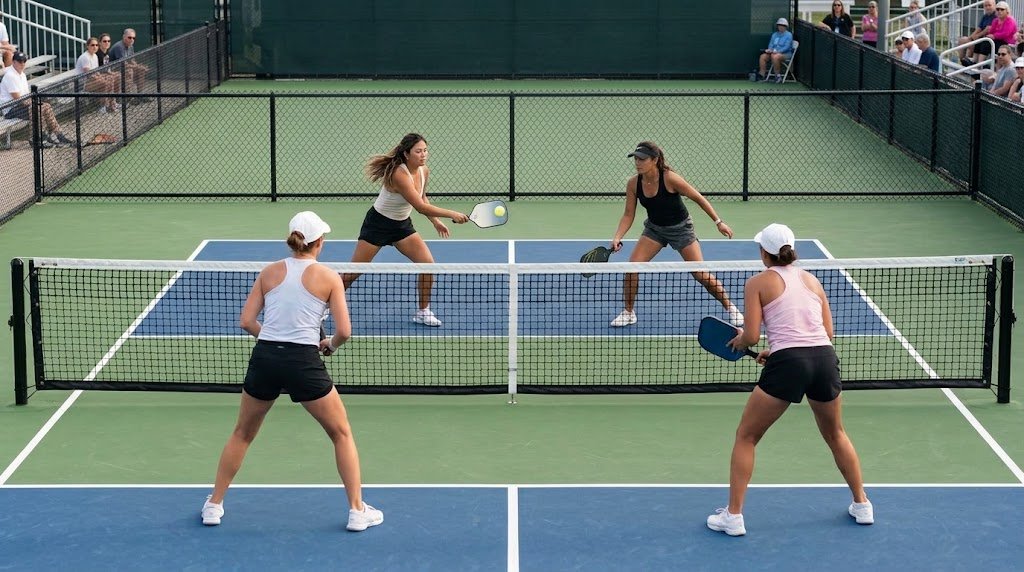
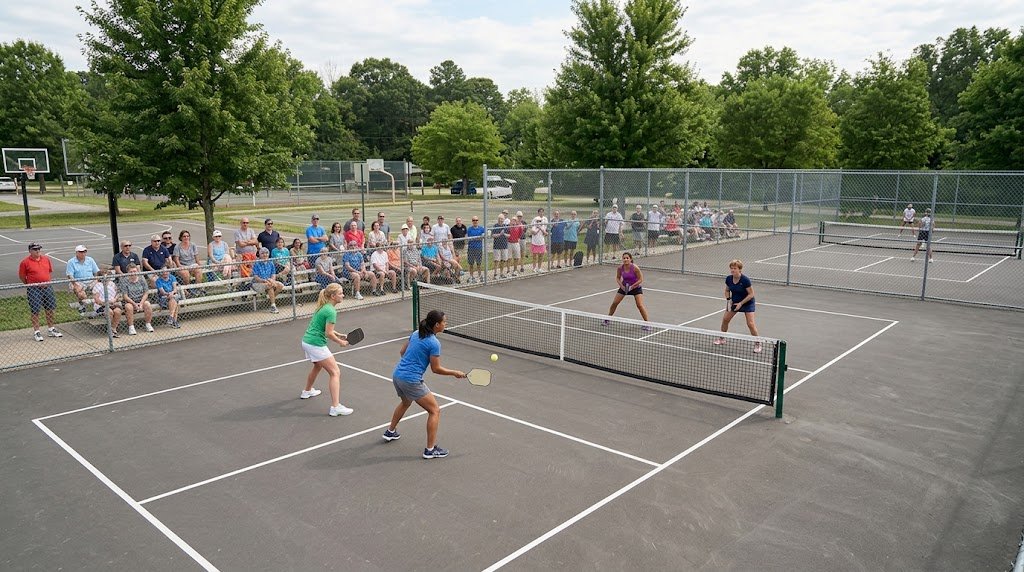
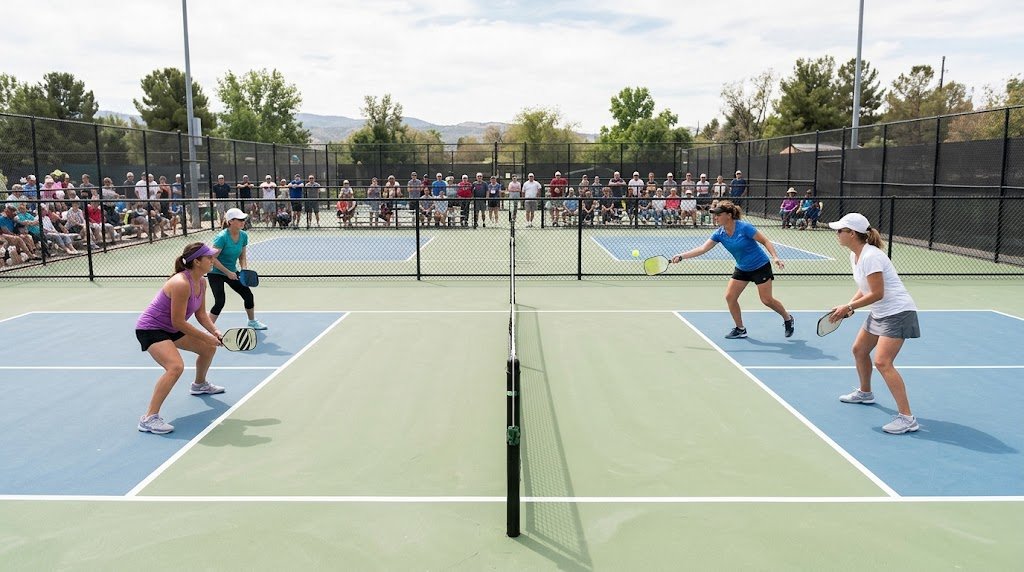
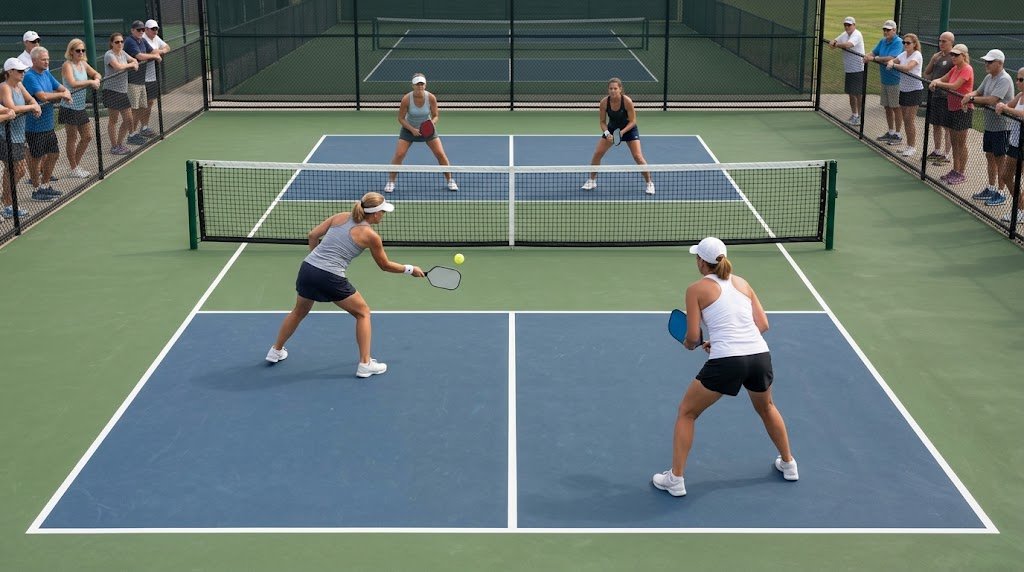
In pickleball, the kitchen — that non-volley zone stretching seven feet from the net — is where matches are won or lost. Manzano and Suzuki understood this. They controlled the non-volley line with disciplined footwork, ensuring they never crossed illegally into the kitchen while volleying. A fault there isn't just a penalty — it's a momentum killer. By staying behind the line until the ball crossed, they avoided illegal volleys and kept their serve intact.
Dinks — those soft, deliberate shots meant to land just over the net — are the kitchen's currency. A well-timed dink forces opponents to lift, creating openings for put-away shots. While no specific rallies are recorded, the 11–10 margin suggests that Suzuki and Manzano likely won more dink exchanges, turning defense into offense with precision.
Faults and Out-of-Bounds: The Silent Killers
Every fault — whether a serve landing in the net or a ball sailing long — is a gift to the opponent. Out-of-bounds shots, especially on the baseline, are where experience shows. Poire and Salcedo Balding, despite their ratings, may have struggled with court awareness under pressure. But again, no faults are recorded. What we know is this: the winners minimized errors. They didn't need to invent points — they earned them.
What Each Game Contributed
Though only one game is recorded, the 11–10 score implies a single, decisive game — likely a tiebreaker or a match-deciding set. In doubles, such margins are rare and telling. It means neither team gave an inch until the final point. Manzano and Suzuki's ability to hold serve, convert break opportunities, or simply outlast their opponents in extended rallies — all without a single recorded fault — speaks to composure.
This wasn't a fluke. It was a performance calibrated by ratings, executed under pressure, and sealed with a scoreline that respects the competition without diminishing the achievement.
Closing Perspective
An 11–10 win isn't a landslide, but it's a declaration. Manzano and Suzuki didn't just survive — they thrived in the margins. They turned the kitchen into a staging ground, respected the non-volley line, and played with the kind of focus that turns close matches into victories. For Poire and Salcedo Balding, this is a learning moment. For the winners, it's a stepping stone.
In pickleball, as in life, the difference between 10 and 11 isn't just a point — it's the difference between almost and accomplished. Manzano and Suzuki crossed that line. And they did it together.