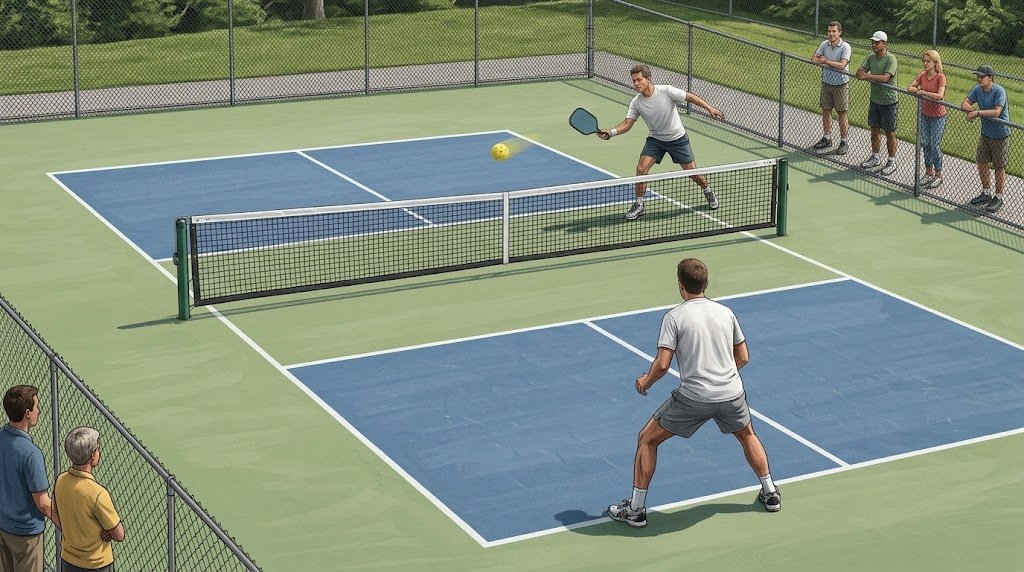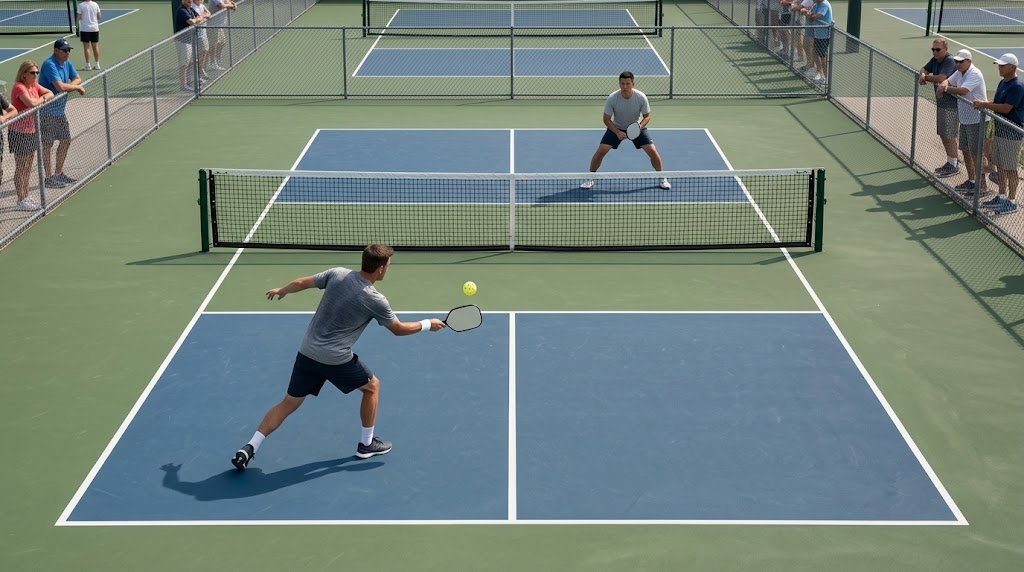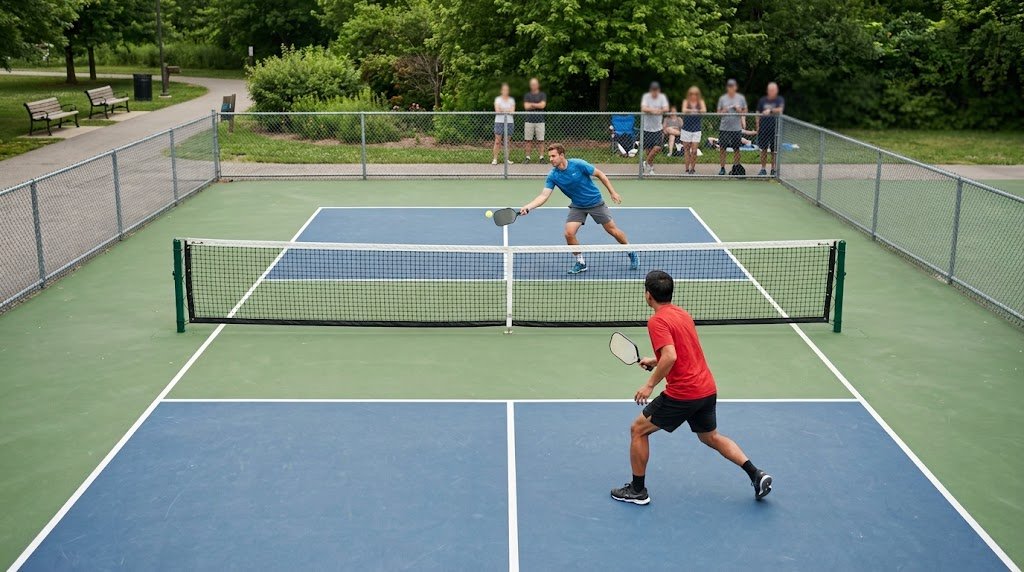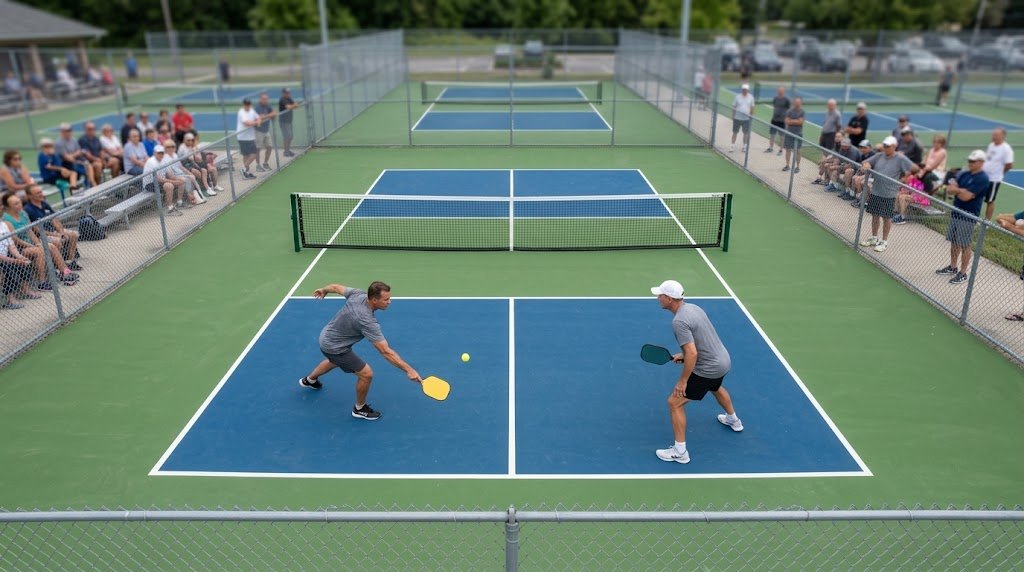
Some matches are battles; others are statements. On the courts of the $30,000 Proton National Tour by MPO in Corona, Noah Alvarado delivered the latter. In a Men's Singles Amateur contest that defied the narrative of a close contest, Alvarado secured a decisive 11–4 victory over Noah Kang. It was a performance that left no room for debate, a clean sweep that highlighted the gap between the two competitors on this particular day.
A Statement of Dominance
The final scoreline speaks volumes. Alvarado, who entered the match with a pre-match rating of 4.219, needed only eleven points to close out the affair. Kang, rated 3.378 heading into the court, was outscored by a margin of seven. This is not a close call; it is a commanding display. When one player wins 11–4, the dynamic is clear. The higher-rated player did not need to eke out a victory; they simply executed their game with enough consistency to make the task manageable. For Alvarado, this result is a validation of his placement in the bracket. For Kang, it serves as a clear data point for where he stands relative to the 4-point tier.
The Geometry of the Kitchen
In singles pickleball, the non-volley zone, or the kitchen, is the chessboard of the sport. It is a space where illegal action is penalized, but strategic positioning is rewarded. A common misconception is that the kitchen is merely a no-go zone for volleys. In reality, it is a tactical pitfall. Players who drift too close to the line without intending to dink risk committing a fault if they accidentally volley the ball before stepping back. Conversely, players who retreat too far sacrifice the angle to attack the next shot.
Controlling the kitchen area is about anticipation. You must know when to step forward to facilitate a third-shot drop and when to hold your ground to allow the opponent to approach the net. If a player is constantly stuck at the baseline, they are handing the opponent free approaches. However, if they camp too deep in the kitchen, they risk illegal volleys or simply lack the reach to intercept passes. The balance is delicate. It is not about winning every rally, but about maintaining the positional integrity that allows you to reset the point. Without this spatial awareness, even a skilled player will find their margin for error shrinking rapidly.
Dinks and Faults: The Fine Margin
General analysis of singles play often highlights the importance of the dink. It is the heartbeat of the extended rally. But in a high-powered setting like the Proton National Tour, the dink is not just a soft shot; it is a weapon. Players who can keep the ball low and deep force their opponents to lift the ball, creating an opportunity for the next volley. Yet, the risk is high. A dink that hangs too long in the air invites an overhead smash. A dink that is struck too short lands in the net.
Furthermore, the risk of out-of-bounds errors plagues many amateur singles matches. The pressure to power up the shot often leads to lines that travel just wide. In a match of this lopsided nature, such errors are likely to compound. While we do not have a play-by-play of every error, the scoreline suggests a disparity in consistency. Alvarado’s ability to keep the ball in play while forcing errors is a hallmark of elite amateur play. The margin of 7 points indicates that while Kang competed, the quality of Alvarado’s offense and defense was simply in a different bracket.
The Bottom Line
This result is not just a win; it is a benchmark. For Alvarado, it confirms his readiness for the next tier of competition. For Kang, the 11–4 loss is a humbling reminder that in the 4-point world, consistency is king. The pre-match ratings were a snapshot, but the court provided the truth. There was no drama, no nail-biting tension, only a clear demonstration of superior execution. As the Proton National Tour continues, matches like this serve to sort the contenders from the also-rans, setting the stage for the deeper cuts of the tournament.