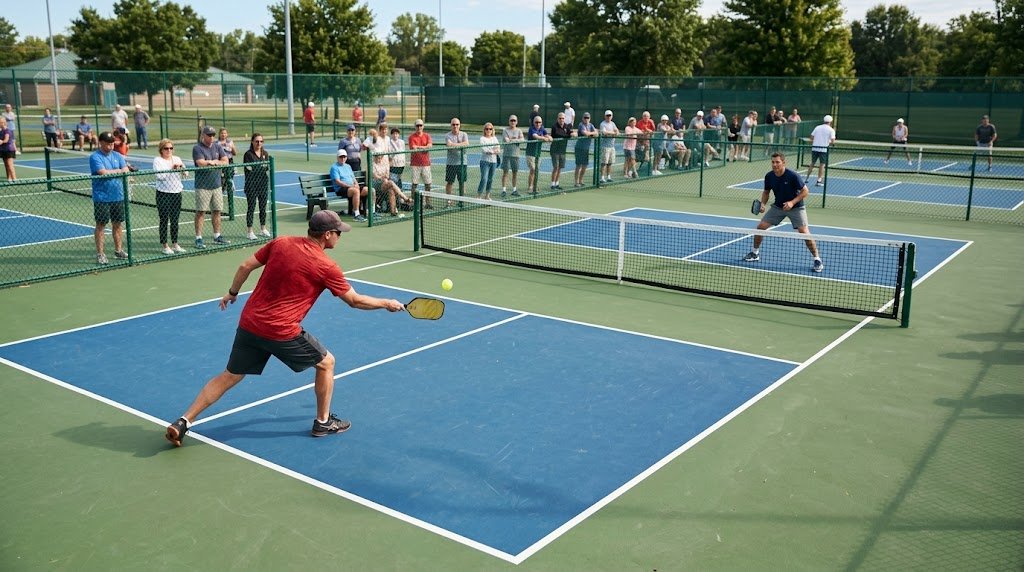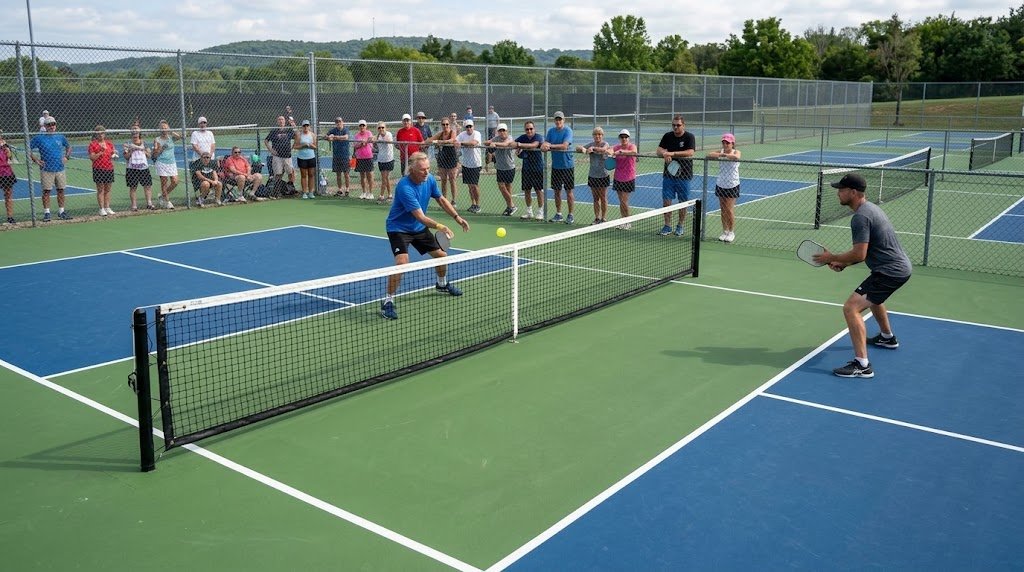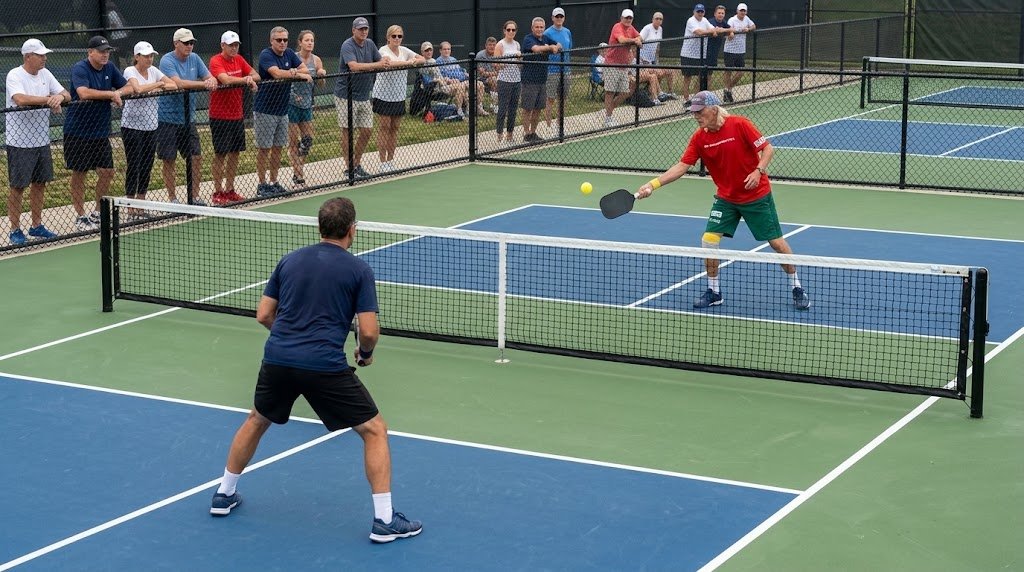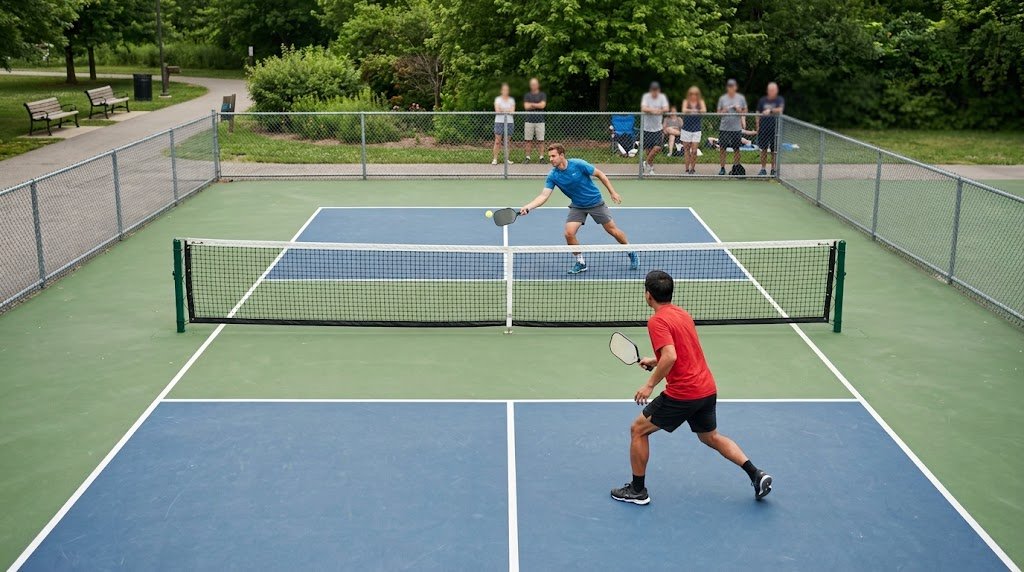
Alan Kim needed three games to put away Brock Beamish on Monday at the WPA Long Beach Open, but the final scoreline — 11-4, 10-12, 11-9 — tells a story of a player who refused to let a momentary wobble define the match. Kim entered with a 4.161 pre-match rating, Beamish at 3.894, and the numbers hinted at a straightforward path. The first game followed the script. The third game sealed it. The middle frame, however, turned into a street fight that forced Kim to dig for every point.
First game: Kim sets the tone
Kim came out sharp, dictating pace from the baseline and moving Beamish side to side with clean, deep drives. The 11-4 margin wasn't just a scoreboard gap; it was a statement of intent. Kim's returns were heavy, his court coverage crisp, and Beamish never found a rhythm. In singles, the first game often reveals who owns the geometry of the court. Kim owned it early, pushing Beamish behind the baseline and attacking short balls without hesitation.
Second game: Beamish bites back
Then the script flipped. Beamish, trailing and with nothing to lose, began swinging freer. He took the ball earlier, compressed Kim's time, and turned defense into offense with a series of angled passing shots. The momentum swung hard. Kim, suddenly pressing, missed a handful of makeable put-aways. Beamish clawed to game point, blinked, then converted on his second chance to steal a 12-10 decision. A one-game swing in singles can feel like a seismic shift. For ten minutes, Beamish looked like the better player.
Third game: Composure wins
Kim didn't panic. He reset between games, shortened his backswing, and returned to the patterns that worked in the opener. The decider was a grinder's duel — long rallies, patient construction, and the occasional flash of brilliance. At 9-9, Kim produced a backhand down the line that kissed the sideline, then followed with a serve that handcuffed Beamish on the return. Two points later, the match was his. The 11-9 finish reflected a player who trusted his process when the scoreboard tightened.
Kitchen command and court geometry
Controlling the non-volley line is the gravitational center of pickleball strategy. A player who plants themselves at the kitchen dictates angles, shrinks the opponent's target zones, and forces awkward contact points. But the line is a boundary, not a launchpad. Volleying while any part of the body touches the kitchen — or stepping in on momentum after a volley — is a fault. The discipline lies in hovering millimeters back, poised to pounce on a high dink without crossing the plane. Dinks themselves are a chess match: soft, low, placed to move the opponent laterally until a crack appears. Push a dink too high and it becomes an invitation for a put-away. Push it wide and the sideline becomes a silent partner in the error. Out-of-bounds risk rises with ambition; the best players dance that edge without falling over.
Kim's victory advances him in the Open Men's Singles draw. Beamish exits with a performance that belied his rating, particularly in that ferocious second game. The match won't show up in highlight reels for its length, but it demonstrated a truth every competitor knows: the player who manages the inevitable swing — who stays steady when the game turns sideways — is usually the one shaking hands at the net.