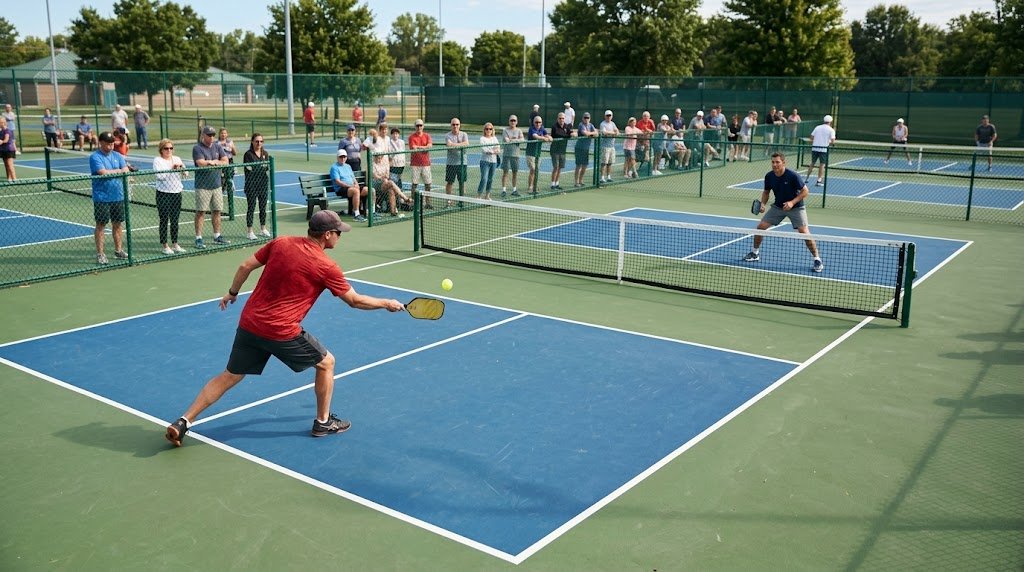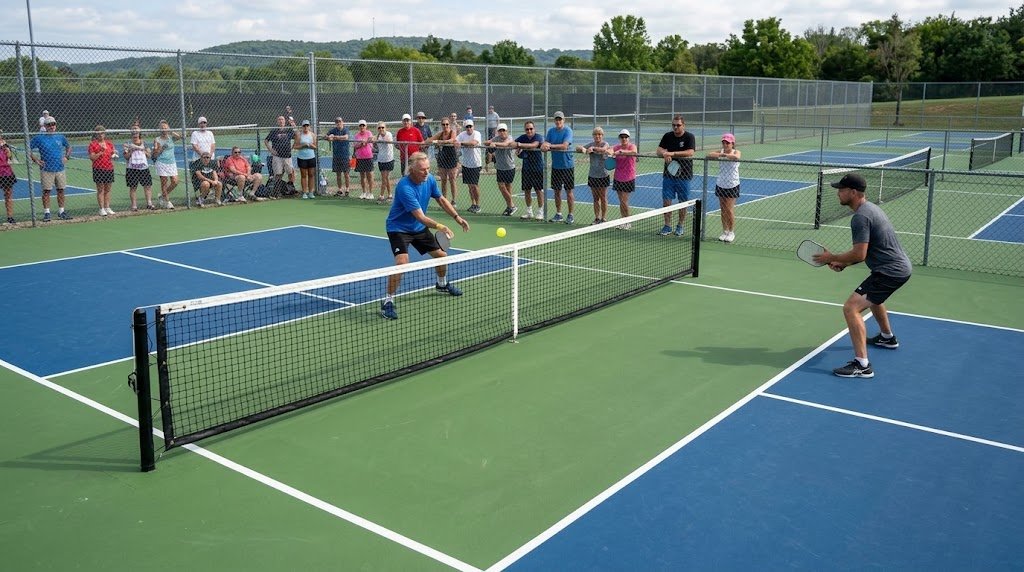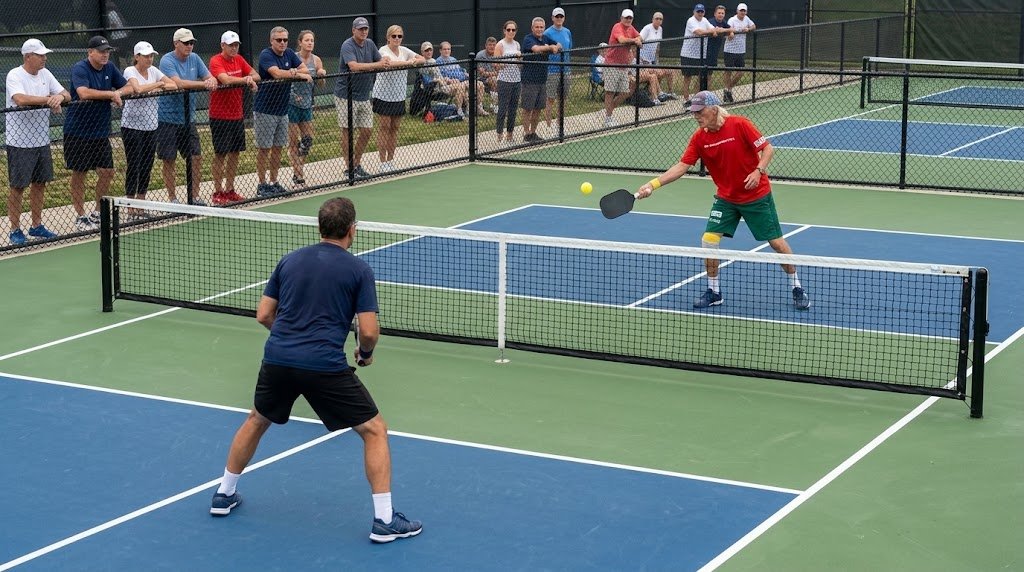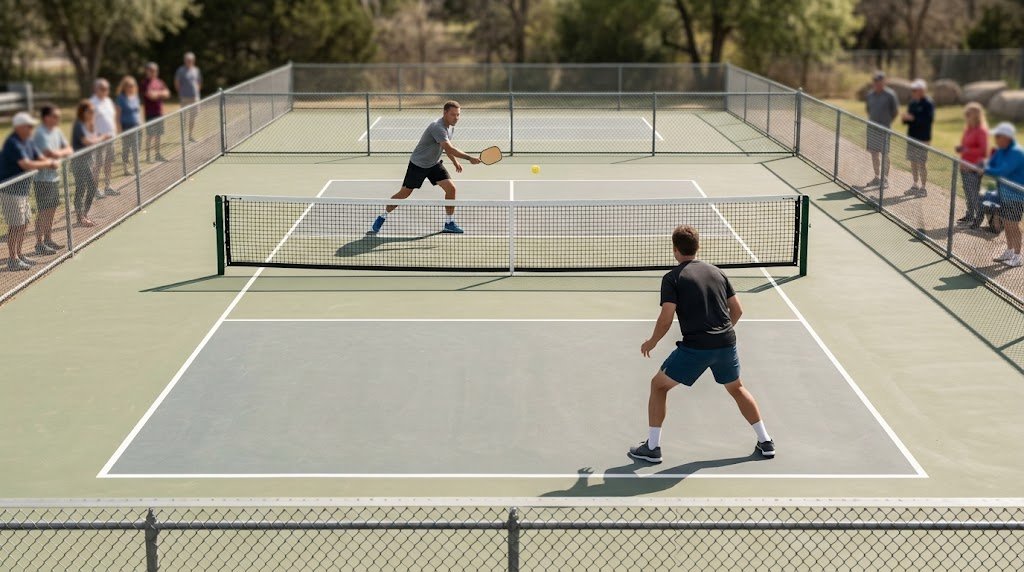
The OpenPB scoreboard from the WPA Long Beach Open tells a crisp story in Open Men's Singles: Alan Kim 11, Landon Nguyen 7. Kim stepped onto the court with a pre-match rating of 4.187, while Nguyen entered rated at 2.952. That gap in the ratings snapshot made the 11-7 finish look like the expected outcome, but the actual margin of victory still landed with real force. For Kim, this was a statement win. For Nguyen, the result is a solid marker from a hard-fought two-game session that fell short of the higher end of the bracket. The scoring was not a nail-biter; Kim built the kind of lead that let him play with confidence and turn the volume up on his best pickleball. This was not a moral victory for Nguyen, either, just a reminder that even a competitive 11-7 line can feel like a shutout when the opponent is clicking.
Kitchen Positioning and the Dink War
The kitchen is where pickleball games are won or lost, and a match like this highlights the value of disciplined positioning. Controlling the non-volley line means standing just behind it so you can react to shots while staying legally outside the kitchen. That is different from volleying illegally inside the kitchen, which would occur if a player steps on or over the line and strikes the ball before it bounces. In practice, the better team keeps its feet behind the line, uses soft dinks to draw opponents forward, and punishes weak returns with sharper angles. A dink that stays low and dies near the tape forces the other side to lift, and that is where points quietly come from.
Faults and Out-of-Bounds Risk
Pickleball punishes carelessness, and this kind of lopsided match tends to magnify the cost of mistakes. A fault can come from a serve that clips the net and drops short, a return that lands in the wrong box, or a foot-fault that breaks the service rules. Out-of-bounds risk is just as real: even a powerful shot that flies a few inches past the baseline gives the opponent an easy point. The best teams stay patient, keep their margins wide, and treat every ball as if it could bounce near a line. In a tight finish, those small details decide who walks off with the win.
Kim's Commanding Performance
When a pre-match rating gap lines up with an 11-7 result, you can read the outcome in two ways. The first is straightforward: the higher-rated player delivered, and the margin reflected genuine command of the match. The second is more generous: the final score still left room for Nguyen to play, but Kim's rhythm and consistency made every rally feel heavier. The game contributed a clean, early statement that gave Kim the mental space to control pace. The second leg of the match did not need to be a thriller because Kim already built the kind of buffer that lets him relax and still play sharp pickleball.
Nguyen's Glimmers in a Tough Draw
It is easy to overlook a player in an 11-7 loss, but Nguyen stayed in the match long enough to show flashes of what he brings to Open Men's Singles. The scoring tells the truth about the difference in the moment, but it also frames Nguyen as a competitor who can stand on the same court against a stronger opponent and still produce competitive games. If his pre-match rating snapshot is a clue, the trajectory points upward, and matches like this are exactly where development is forged. The takeaway for OpenPB readers is that a lopsided headline does not erase the value of the battle behind it. Kim earned the win, but the draw delivered a useful test for both sides, and the Open Men's Singles standings now carry a clearer sense of who is rising and who is already arriving.