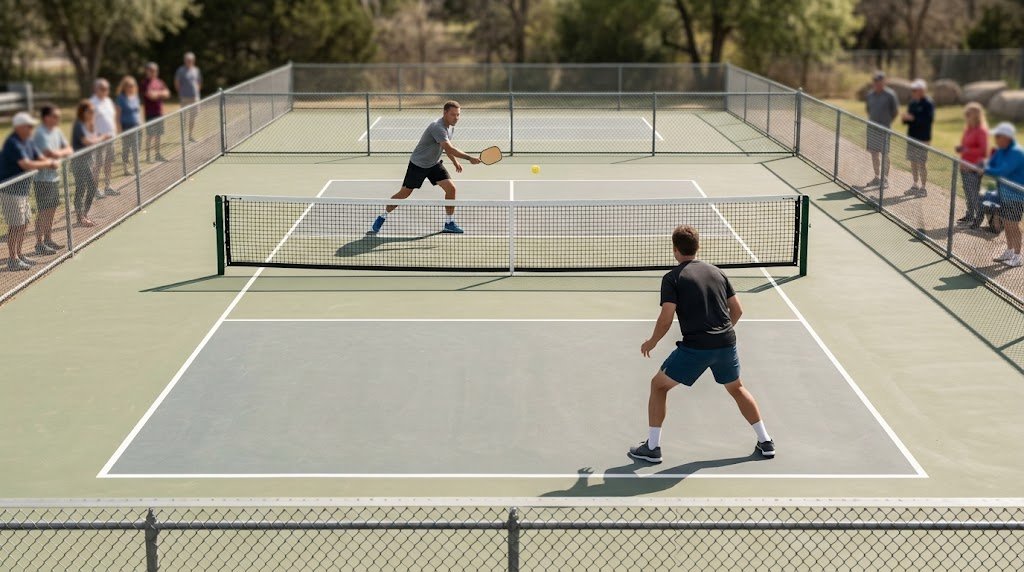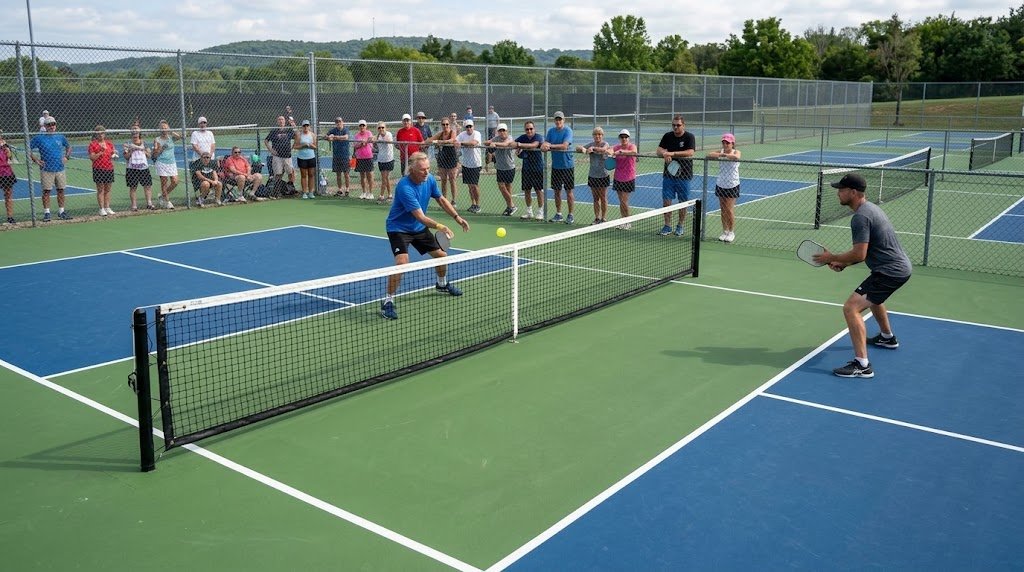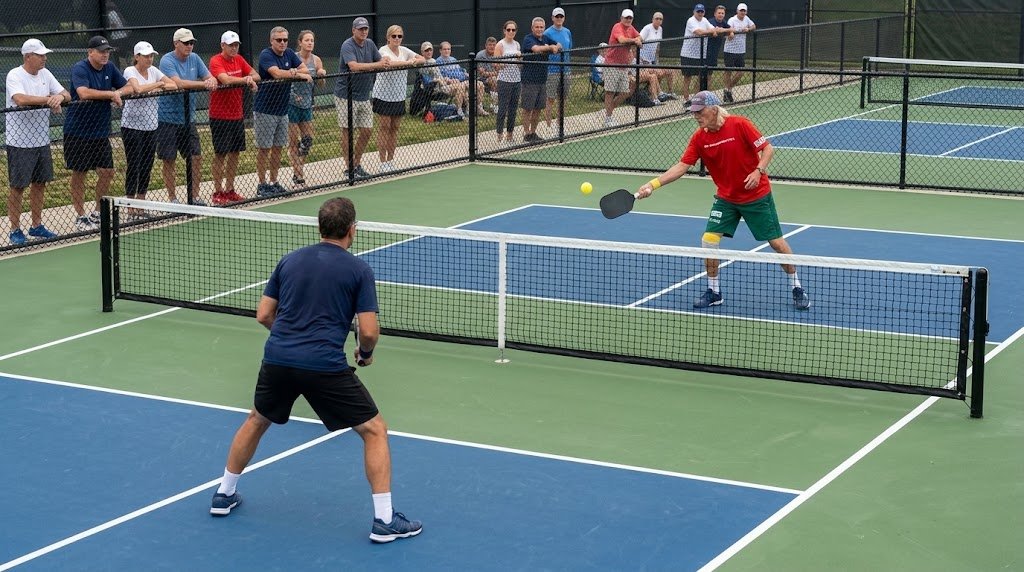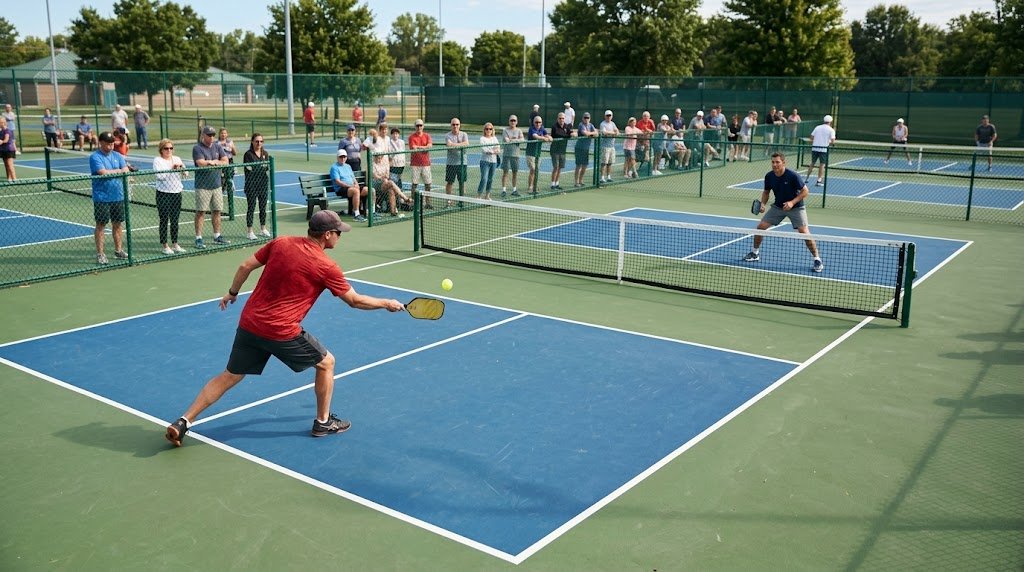
Brandon Freed turned a narrow pre-match ratings gap into a clear singles win, defeating Randall Marsh 11–8 in the WPA Long Beach Open – Open Men's Singles on Sept. 22, 2026.
The result, recorded in the supplied event data, gave Freed a straight-games victory and a three-point margin. Marsh had the higher pre-match snapshot at 3.677, while Freed was listed at 3.623—a difference of just 0.054 rating points. Those figures are a pre-match snapshot, not current ratings or a promise of future movement.
The Ratings Edge Meets the Scoreboard
On paper, this was not a meeting between players separated by a wide gulf. The ratings suggested a tight comparison, with Marsh holding the slightest edge. The recorded score told a different story about this particular contest: Freed controlled the only game and never needed a second to settle the outcome.
That 11–8 finish matters. It was not a photo finish, but it was also not a runaway. Three points are enough to turn a competitive-looking rating matchup into a decisive win, and Freed found that extra gear when the game reached its business end. In pickleball terms, he kept the paddle moving, protected the margin and made sure the closing sequence belonged to him.
Marsh, meanwhile, stayed within reach. An 11–8 score leaves room for a spirited response, but it does not change the central fact: Freed was the player who finished ahead. In a straight-games singles match, there is no second chance to rewrite the ledger, and Freed made the one opportunity count.
Reading the 11–8 Margin
The scoreline offers a useful lesson in how pickleball can compress a lot of pressure into a small number of points. A three-point edge can feel substantial when every exchange matters, yet it remains close enough to remind both players that momentum can swing quickly.
Freed's win was commanding because he won the game outright and by more than a single point. Marsh's performance was competitive because he kept the contest from becoming a rout. The difference between those descriptions is not a contradiction; it is what makes an 11–8 result interesting.
There was only one recorded game, so there is no second-game comparison to make. That single game carried the full weight of the match. Freed did not need to chase a set-back scenario or recover from a lost game. He built the result in one continuous stretch and closed it with the scoreboard on his side.
Kitchen Positioning and the Fine Margins
At the non-volley line, positioning is often where points begin to tilt. A player who establishes a stable presence near the kitchen can cut down angles, force softer returns and make the opponent work harder to create pace. That is general pickleball analysis, not a claim that either named player used a particular tactic in this match.
Controlling the non-volley line is not the same as entering the kitchen illegally. Players may stand in the non-volley zone, but they cannot volley the ball while touching the zone or its lines. A volley is a shot struck out of the air before the ball bounces. If a player's momentum carries them into the kitchen after a volley, that can also create a fault. The source does not record any specific faults here, so no violation can be assigned to Freed or Marsh.
Dinks add another layer of risk and reward. A well-placed dink can pull an opponent forward, invite a high return and create an opening for the next shot. But a dink that sits up or drifts long can hand over the initiative. Likewise, aggressive drives can produce quick points, while a shot clipped wide or deep increases the out-of-bounds risk.
Those choices are conditional lessons, not observations from this result. What is verified is simpler and still significant: Freed won 11–8, Marsh finished three points behind, and the pre-match ratings made the outcome anything but obvious on paper.
The closing perspective is straightforward. Freed took a close ratings matchup and converted it into a clean straight-games win. Marsh pushed the margin but could not force a second game. In a sport where inches, timing and patience can decide a point, Freed's 11–8 victory was the day's clearest statement.