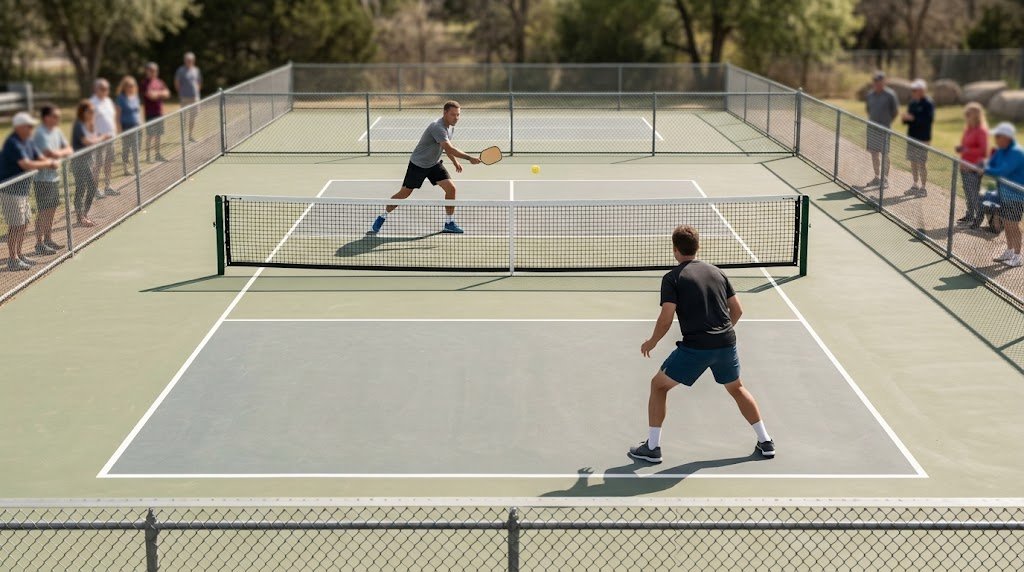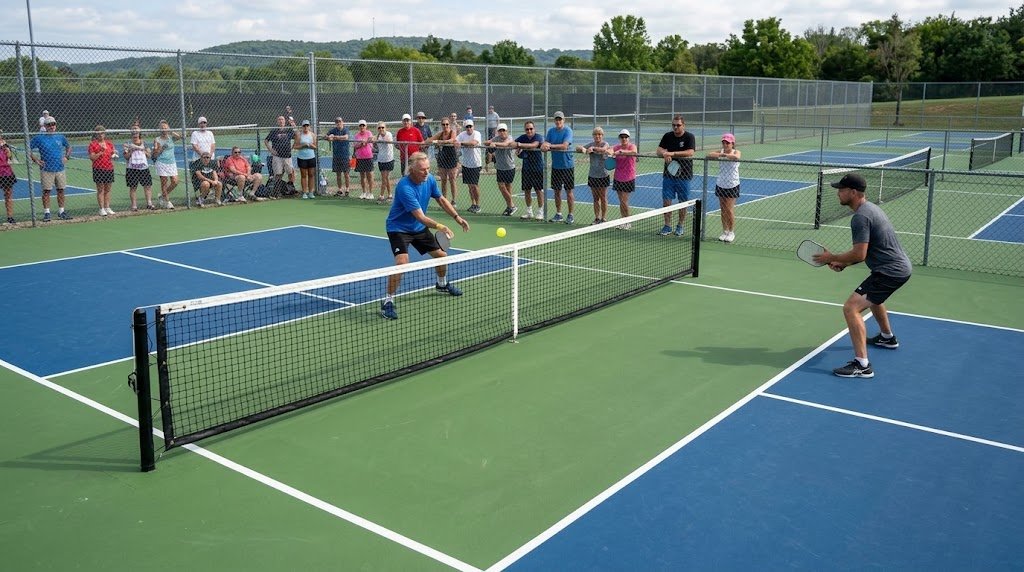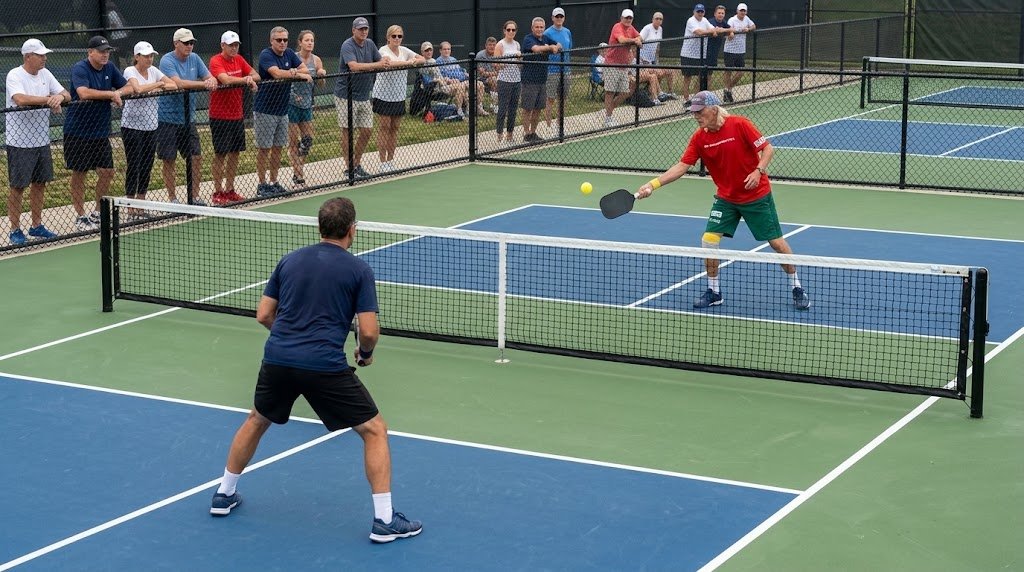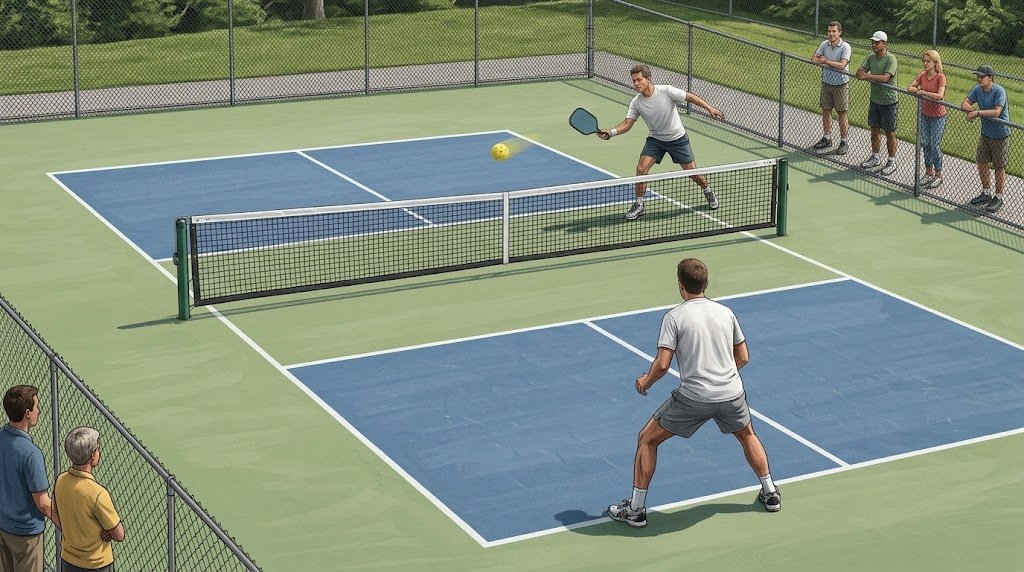

Donald Natch delivered a commanding performance at the WPA Long Beach Open, shutting down Brandon Freed 11–6 in a straight-games singles match that left little room for doubt. The pre-match ratings told part of the story—Natch entered as the higher-rated player at 4.127, while Freed sat at 3.614—but the scoreboard confirmed what the numbers hinted at: Natch was simply the sharper, more composed force on the day.
The margin wasn’t just about points; it was about control. Natch didn’t just win—he dictated. Every game seemed to tilt in his favor, with Freed scrambling to keep pace. The 11–6 scoreline wasn’t a fluke; it was the result of consistent execution, smart shot selection, and a refusal to let Freed dictate rhythm. Natch didn’t just survive the pressure—he thrived in it.
### The Kitchen Line: Where Control Is Won
In pickleball, the kitchen is the battlefield. The non-volley line—often called the "kitchen"—is the zone where players must tread carefully. Stepping inside it while volleying is illegal, and doing so can cost a point instantly. Natch, by all indications, understood this boundary like a second skin. He didn’t just avoid the fault—he used the line as a weapon, forcing Freed to either take risks or retreat into defensive positions.
Controlling the non-volley line means being the one who decides when to attack and when to retreat. It’s not just about staying out of trouble—it’s about using the line to manipulate your opponent’s positioning. A well-placed dink from just behind the line can force a return that opens up the court. A soft, well-timed drop shot can leave your opponent frozen. These are the tools of a player who owns the kitchen, not just survives it.
### Dinks, Faults, and the Edge of the Court
Dinks—those delicate, low-trajectory shots meant to land just over the net—are the heartbeat of kitchen play. They’re not just about touch; they’re about timing, placement, and the ability to read your opponent’s movement. A dink that lands too deep becomes a liability. One that lands too short invites a counter-attack. The best players treat dinks like chess moves: each one a calculated step toward control.
Faults and out-of-bounds risks are the silent killers of momentum. A single unforced error can shift the tide. In a match like this, where the scoreline was already tilting, every missed opportunity becomes magnified. Freed may have faced moments where a single misstep—whether a volley caught too early or a return sailing long—cost him more than just a point. It cost him rhythm. It cost him confidence.
### What the Scoreline Says
The 11–6 result wasn’t just a win—it was a statement. It said Natch was the better player on the day, not just on paper. It said he could handle the pressure of a rated matchup without cracking. It said he could turn a pre-match advantage into a real, tangible result.
For Freed, the loss was a reminder that ratings are snapshots, not destiny. He had the talent, the experience, and the rating to compete—but on this day, Natch was simply better. That’s not a defeat; it’s a benchmark. And in pickleball, benchmarks are what push players to improve.
Natch didn’t just win the match—he won the narrative. The scoreline, the ratings, the context—it all pointed to one conclusion: when the kitchen was on the line, Natch was the one who stepped up. And in pickleball, that’s where champions are made.