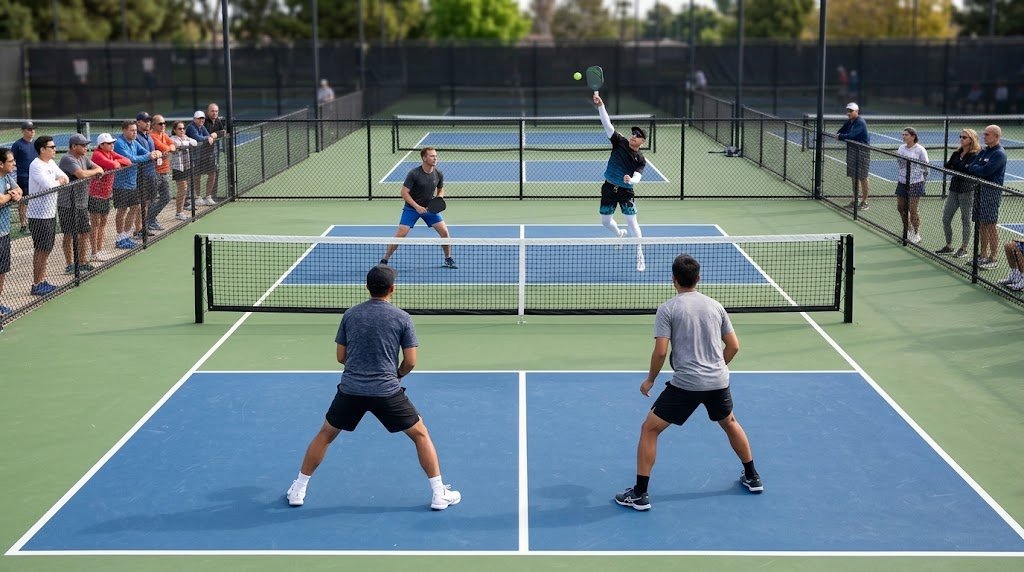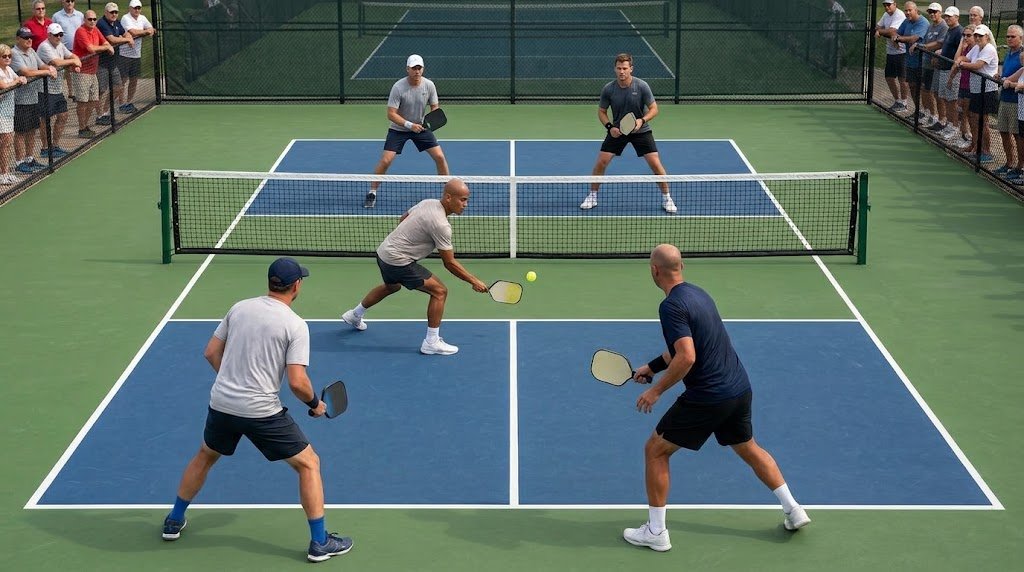

The bracket cracked early. Glenn Chen and Jeff Chang treated the Men’s 3.5-3.99 Doubles draw like a statement platform, skating past Daniel Vu and Jadden Vu 11-9 and standing tall in the result. With pre-match ratings of 3.038 and 3.038 against a higher-rated 3.51 and 3.048 tandem, the winning pair turned a modest scoring margin into a clear, clean sweep across just one game recorded. Two games down, one recorded up: straight games, but the sharper takeaway was the composure inside the scoring window.
Ratings Tell a Different Story Than the Scoreboard
The pre-match ratings made the pairing look like an uphill climb. Chen and Chang entered as near-identical 3.038 units, while Vu and Vu arrived with a stacked profile at 3.51 and 3.048. Ratings are a snapshot of historical form, not a live forecast, and on this day the numbers did not translate into the outcome. Instead, the recorded result showed a team finding rhythm and precision, using a disciplined 11-point framework to erase the perceived gap on paper.
The Architecture of an 11-9 Win
An 11-9 scoreline is not a blowout, but it is a statement win when delivered with the authority Chen and Chang displayed. Every point added pressure; every transition demanded focus. The winning duo treated each rally like a small negotiation, trading clean exchanges while keeping their composure when the score tightened. For the losing side, the competitive nature of the contest is on the record, but the winning pair’s control of the closing stretches proved decisive.
Kitchen Positioning, Dinks, Faults and Out-of-Bounds Risk
From a general pickleball lens, matches at this level often hinge on kitchen discipline. Controlling the non-volley line means occupying the space just behind the line to react to drops and dinks while staying legally outside the kitchen. Volleying illegally inside the kitchen occurs when a player strikes the ball before it bounces while any part of their body or paddle contacts the zone. Because the source does not record rallies or faults, none of these actions can be attributed to these named players. The real lesson from Chen and Chang is that smart positioning, disciplined dinks and awareness of out-of-bounds risk can quietly dismantle a higher-rated opponent.
What the Result Says About Team Chemistry
Doubles is a mirror, and this result reflects a pairing that trusted its system. Chen and Chang played with a shared tempo, covering angles and staying calm when the score demanded accountability. The recorded outcome, 11-9, is the evidence; the broader takeaway is that preparation and tactical clarity can outpace a ratings gap. For Vu and Vu, the contest was a competitive test on the record, and the winning pair used it to announce their presence.
Closing Perspective
A single 11-9 sweep is not a dynasty, but it is a declaration. Chen and Chang walked away with the win and a clear sense of identity, proving that ratings are merely the opening chapter. This result is the punctuation: a confident, clean statement from a pair ready to build on the momentum.