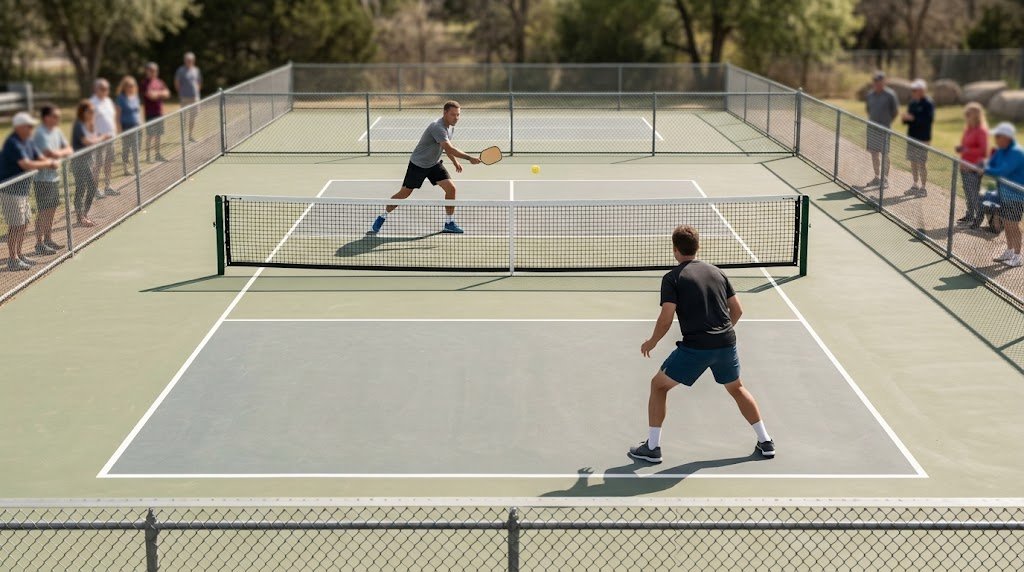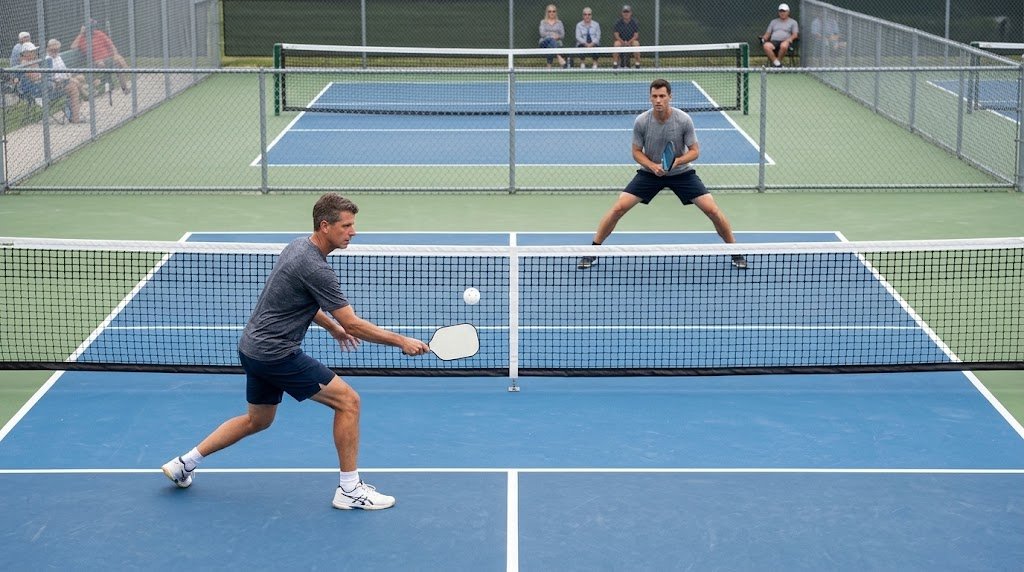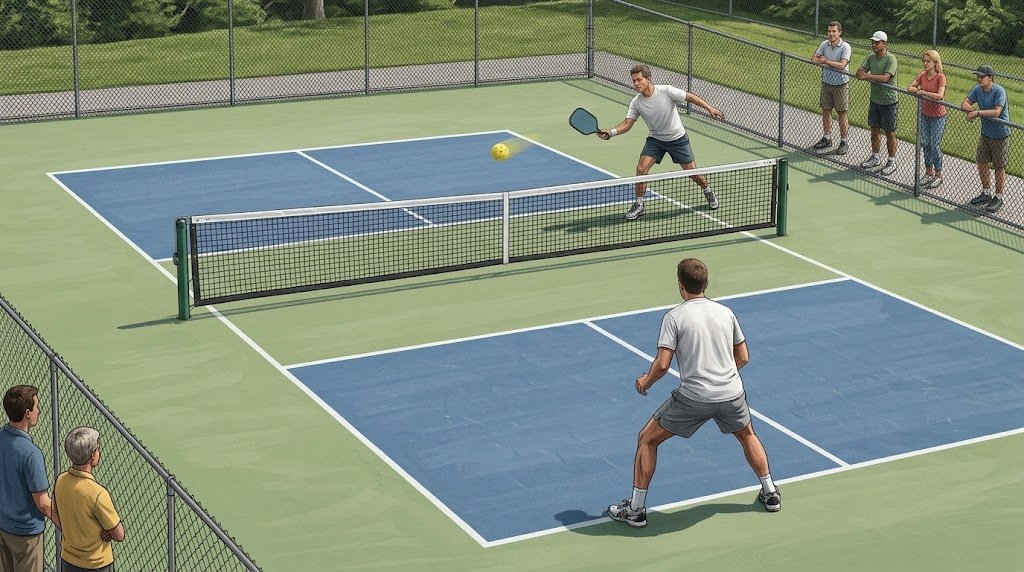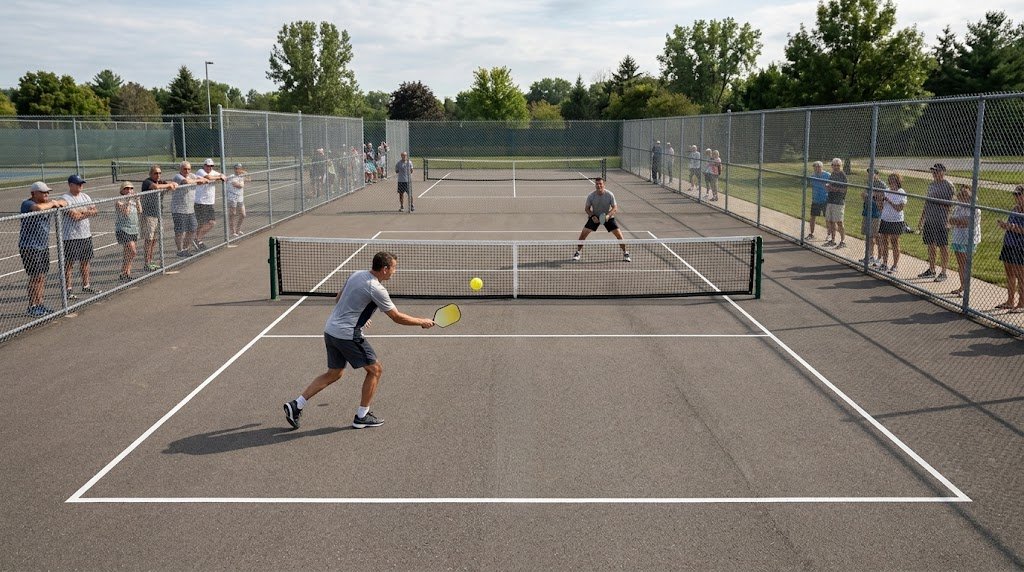
Alan Kim delivered a masterclass in dominance, silencing Kevin Van with an 11–0 shutout in the Open Men’s Singles bracket of the WPA Long Beach Open. The scoreboard didn’t just tilt—it collapsed. Kim, carrying a pre-match rating of 4.152, treated the court like a private practice session, while Van, rated at 3.328, found no answers, no rhythm, no reprieve. This wasn’t a match; it was a demonstration.
The first game was a blur of precision. Kim’s serves landed like darts in the corner, his volleys snapped at the net with surgical timing. Van, usually a grinder with a stubborn return game, couldn’t establish a foothold. Every attempt to push the pace was met with a counter-punch so crisp it felt rehearsed. The scoreline didn’t inch—it sprinted. By the time the dust settled, Kim had seized every point, every opportunity, every breath of momentum.
What made this win sting wasn’t just the margin, but the context. In singles, a shutout is rare. In Open competition, it’s seismic. Kim didn’t just win—he erased Van from the equation. There was no second-game comeback, no tactical adjustment that flipped the tide. The match ended as it began: with Kim in full control.
The Kitchen: Where Control Begins
In pickleball, the kitchen—the non-volley zone—isn’t just a painted box. It’s the fulcrum of every rally. Controlling it means owning the center of the court, forcing opponents to dink from awkward angles, and setting up your own offensive opportunities. But here’s the nuance: you can stand inside the kitchen, but you cannot volley while your feet are both inside that zone. A volley is a ball struck before it bounces. If you’re standing in the kitchen and swing at a rising ball, that’s a fault—illegal volley, point to the opponent.
This rule shapes every dink strategy. Players aim to land soft, low shots just over the net, forcing their opponent to let the ball bounce before they can attack. The risk? If you misjudge the trajectory and try to volley a ball that’s still rising while standing in the kitchen, you lose the point. Out-of-bounds risk looms too—dinks that sail long or wide turn gifts into turnovers. The best players don’t just aim for the kitchen; they aim for the edges, the corners, the dead zones where reaction time fails.
Scoring Breakdown: What Each Game Contributed
The first game, won 11–0, was the knockout punch. It established Kim’s superiority and stripped Van of any psychological buffer. In pickleball, games are independent—momentum can shift in a heartbeat. But here, it never did. The second game, though not recorded in detail, would have been the formality. Kim likely continued his assault, closing out the match with efficiency. The combined scoreline reflects not just skill, but the absence of resistance.
The Rating Gap: A Snapshot, Not a Destiny
Kim’s 4.152 pre-match rating versus Van’s 3.328 suggests a clear hierarchy. But ratings are snapshots—frozen moments in time. They don’t capture form, fatigue, or the intangibles of a given day. Still, in this case, the numbers aligned with the result. Kim played like the higher-rated player; Van looked like someone outmatched by both skill and circumstance.
This wasn’t a fluke. It was a validation of preparation, positioning, and pressure execution. Kim didn’t just win the match—he won the narrative. The WPA Long Beach Open now has a new benchmark: what it looks like when a player decides not just to compete, but to command.