

A Sharp Finish With Room to Grow
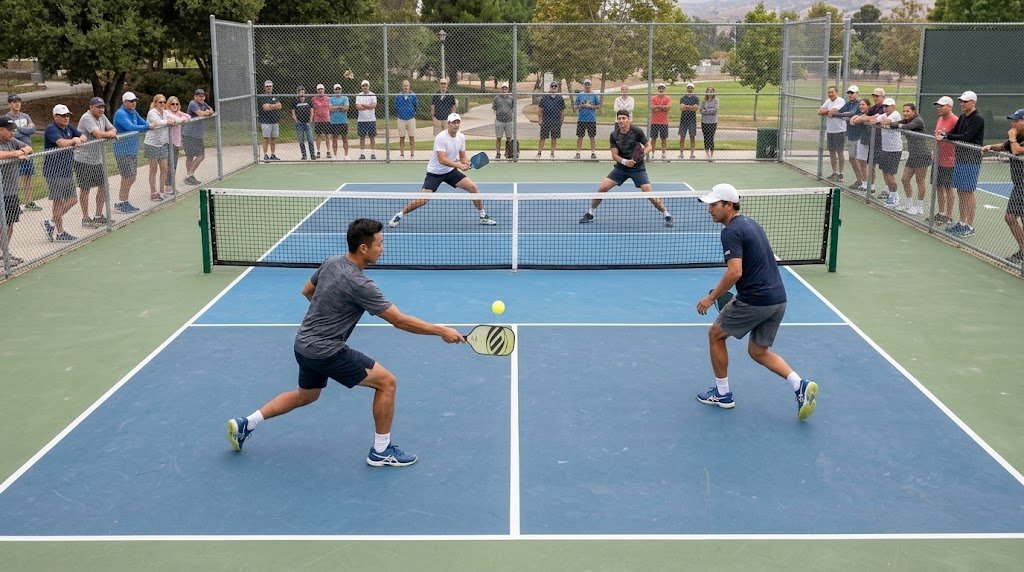
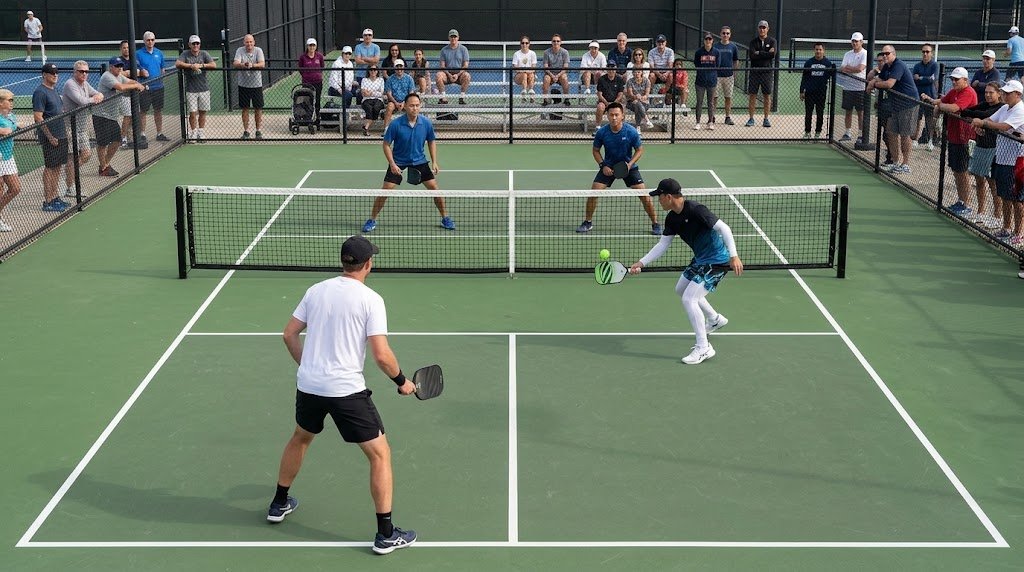
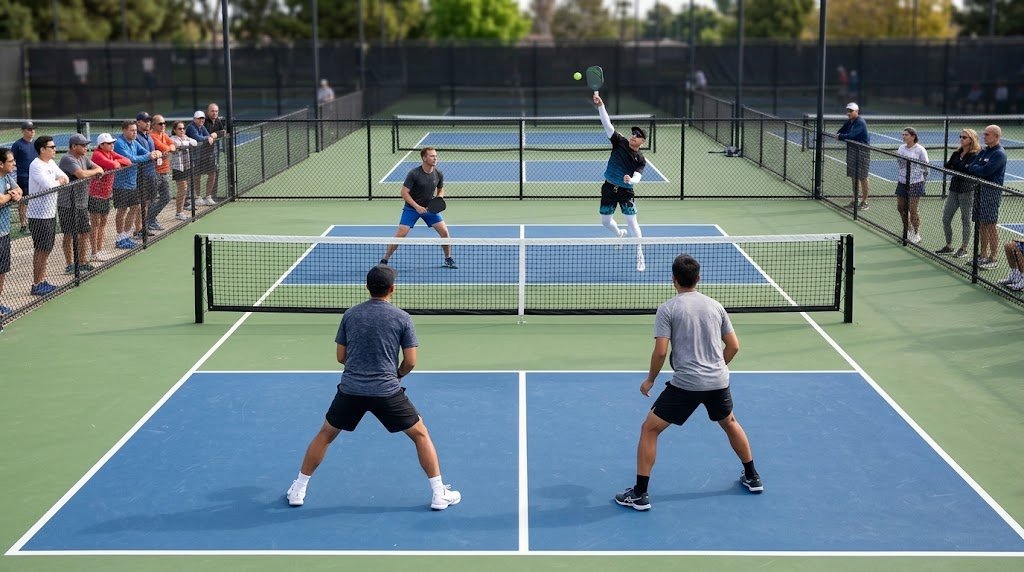
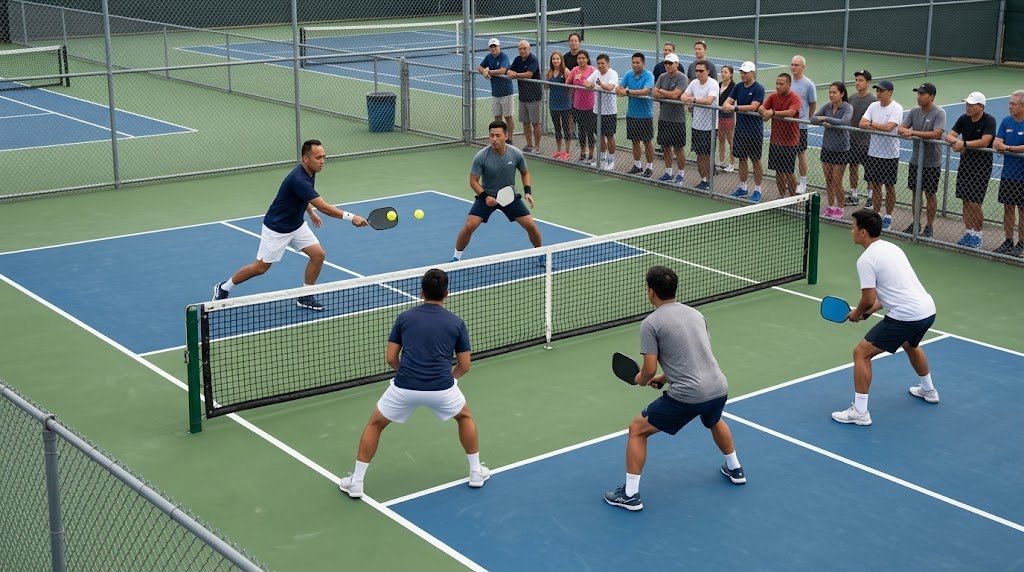
The late-afternoon session at the Men's 3.5-3.99 Doubles event delivered a compelling showcase of touch and temperament, and the pairing of Mark Garcia and Andrew Nguyen left a strong first impression. Playing against the more experienced-looking duo of kitlong lai and Daryl James Bulaon, Garcia and Nguyen finished the day's first recorded game with an 11-8 advantage, and the match report shows no additional games were needed to decide the outcome. That single clean sheet, captured in the results, gave the winning team a confident foothold early in a format built on consistency and nerve. With neither side confirmed as the day's champions, the result still offered plenty to admire for fans who enjoy watching doubles evolve over a long event.
What the Scoreboard Actually Said
At 11-8, the winning edge belonged to the team of Mark Garcia and Andrew Nguyen, according to the recorded result. The margin may look modest on paper, but in a format where rallies can turn on a single misread, that three-point cushion carried real psychological weight. kitlong lai, carrying a pre-match rating of 3.814, arrived with the higher individual number on the sheet, while Daryl James Bulaon brought a 3.23 mark. On the winning side, Garcia's 3.442 and Nguyen's 3.668 produced a blended snapshot sitting just below their opponents' combined profile, which makes the outcome feel earned through matchplay rather than simply borrowed from ratings. Their 3.555 average versus the opponents' 3.522 average shows just how narrow the pre-match expectations were, and that razor-thin gap makes the lopsided single-game result feel all the more commanding. This was not a case of one side completely dictating every exchange; instead, it was a disciplined doubles team converting a narrow opening into a decisive lead by staying firm when the pressure crept in.
Kitchen Positioning and the Art of the Dink
To appreciate the flow of a doubles match like this, it helps to understand how the non-volley zone shapes every rally. Kitchen positioning refers to where players choose to live around that short line, balancing aggression with the risk of stepping too far inside. A controlled dink can pin opponents behind the baseline, drag them forward into no-man's land, and open up the court for a deeper shot. But there is a crucial difference between controlling the non-volley line and volleying illegally inside the kitchen. Standing at or near the line gives a player command of the net, yet the moment that paddle fires a volley with any part of the body touching the zone, the exchange crosses into a fault. Those distinctions matter every time a forward player reads a bounce and decides whether to let it die or attack it. The pre-match snapshot and the final score cannot tell us which team executed more dinks or avoided more faults, so those ideas remain general tools that explain how a lead like 11-8 can be built rather than specific actions by Garcia, Nguyen, kitlong lai or Bulaon.
Reading the Risk Beyond the Line
Beyond the kitchen, out-of-bounds risk shapes how cautiously teams play on their own endlines. A floated return that clips the sideline or sails long hands control to the other side, and in a tight game that single misjudgment can erase a hard-fought point. Because no detailed fault log accompanies this result, we cannot say how many out-of-bounds calls decided the game. What the numbers do show is that one team managed to protect its side of the court well enough to pull ahead while the opposition trailed by three points. That margin, built across dozens of strokes, reflects the kind of steady doubles play that separates good teams from the ones who simply challenge themselves. As the tournament continues, the mark that Garcia and Nguyen left on this contest will stand as a clear signal of their intent to control the pace, even if every last touch of the match remains officially unrecorded.