

Power Surge Propels Vander Woude‑Ezell to Shutout Victory
The Women’s 4.0‑4.49 Doubles final on September 20th turned into a masterclass of controlled aggression as Vikki Vander Woude and Gina Ezell dismantled Kathryn Fitzgerald and Tammy Shaw 11–3 in a single, decisive set. The match began with a parity of pre‑match ratings—Vander Woude at 3.832, Ezell at 3.427 versus Fitzgerald at 3.44 and Shaw at 3.809—but the dynamic shifted early when the top‑rated team found rhythm in the kitchen. Their dink placements sliced through the opposition’s defense, while precise serve placement forced errors that the lower‑rated team couldn’t recover from.
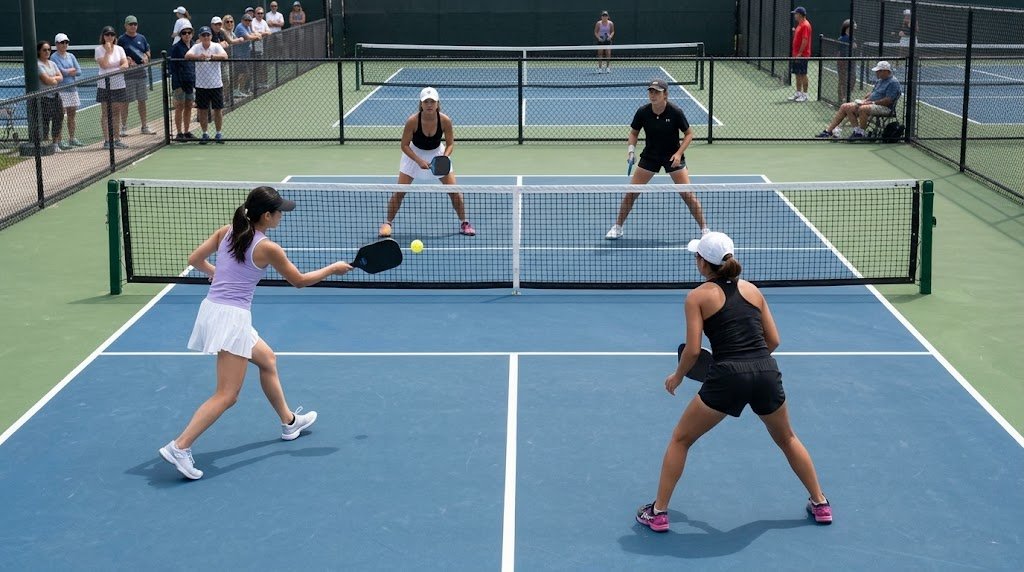
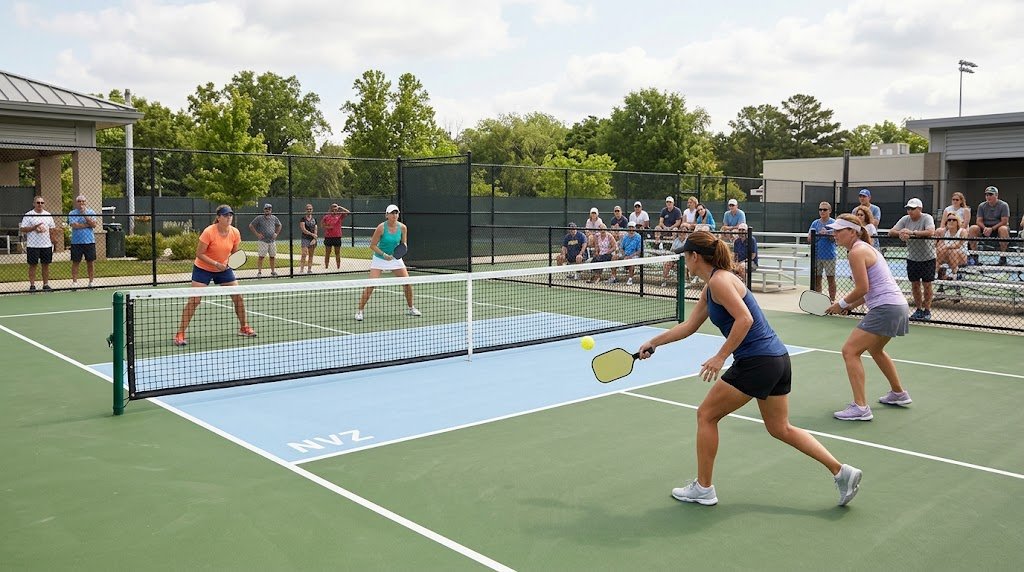
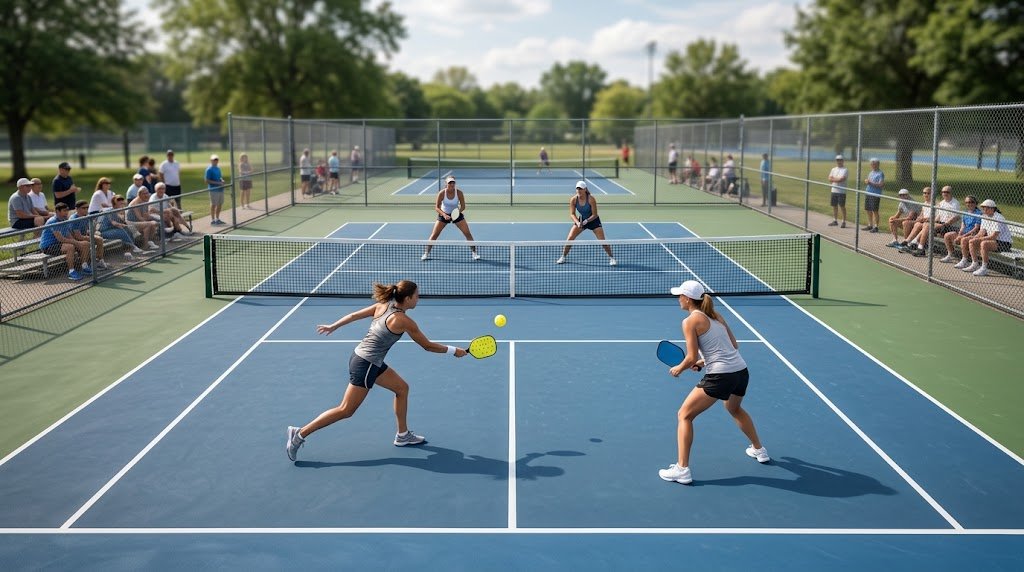
The shutout wasn’t just about raw power; it was a demonstration of strategic positioning. Vander Woude and Ezell consistently held the non‑volley line, limiting the opponents’ chances to attack short balls. By mastering the kitchen’s boundaries, they forced Fitzgerald and Shaw into uncomfortable angles, turning every rally into a test of patience and precision.
The Kitchen as the Battleground
Kitchen positioning is the heart of doubles strategy. Controlling the non‑volley line means you can dictate the pace, while overstepping the line invites illegal volleys that hand the point to the opponent. In this match, Vander Woude and Ezell’s disciplined footwork kept them just inside the kitchen, delivering crisp dinks that skimmed the net and bounced just over the blocker. Their serves, alternating between hard push and soft dink, kept the scoreline climbing while limiting the opposition’s opportunities for aggressive volleys.
The losing side attempted to counter by serving deeper and aiming for the kitchen’s rear boundary, but without precise kitchen positioning, those attempts often fell short. Faults on the serve and out‑of‑bounds returns became costly, and each error amplified the lead Vander Woude and Ezell built.
Faults, Out‑of‑Bounds, and Strategic Recovery
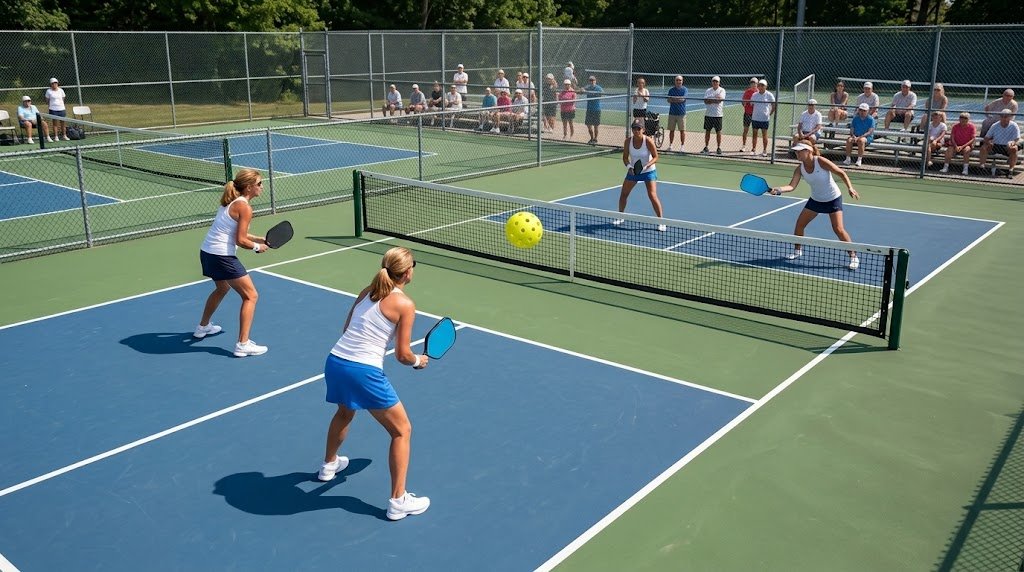
A fault on the serve or a ball landing out of bounds forces a point loss, and the match showed how quickly those penalties can cascade. Fitzgerald and Shaw tried to disrupt the flow with aggressive serves, yet the footwork of Vander Woude and Ezell allowed them to read and neutralize each attempt. Their defensive positioning allowed them to recover quickly, turning potential rallies into quick points.
The difference between mastering the kitchen and overstepping it is stark: one secures control, the other gifts the opponent a free point. In this case, Vander Woude and Ezell’s adherence to kitchen discipline gave them a commanding edge, turning each rally into a structured play that favored precision over power.
Impact of the Match and Road Ahead
The 11–3 scoreline speaks volumes about the dominance shown by the top‑rated pair. Every game contributed to a crescendo of confidence, as Vander Woude and Ezell adjusted their tactics based on the opponents’ positioning, turning each point into a building block for the eventual shutout. The win not only showcases individual skill but also the synergy of a well‑coordinated doubles team.
As the competition moves forward, this victory positions Vander Woude and Ezell as a force to reckon with, their strategic mastery in the kitchen and disciplined play likely to influence future matches. Fitzgerald and Shaw will reflect on the kitchen positioning and fault avoidance that proved decisive, aiming to refine their approach for upcoming challenges.